

Gastritis: Do Your Stomach Symptoms Indicate an Underlying Problem
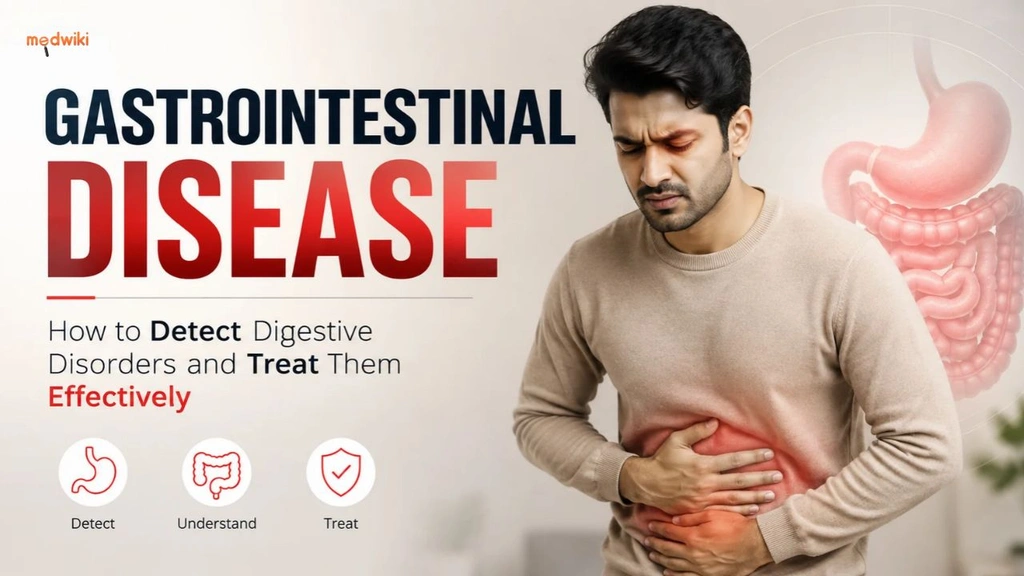
Digestive discomfort is common, but persistent stomach pain, bloating, nausea, or a burning sensation should not be ignored. These symptoms may indicate an underlying digestive condition that requires timely medical attention.
Gastritis is a condition in which the lining of the stomach becomes inflamed or irritated. It can develop suddenly or gradually due to infections, certain medications, alcohol use, stress, or other underlying health conditions.
Understanding the symptoms, causes, types, diagnosis, and treatment of gastritis can help you seek care at the right time. Early diagnosis and proper treatment can relieve symptoms, prevent complications, and support long-term digestive health.
What Is Gastritis and Why Does It Develop
Gastritis is a gastric condition in which the protective lining of the stomach becomes inflamed, irritated, or damaged. This inflammation can interfere with normal digestion and cause a variety of digestive symptoms such as stomach pain, nausea, vomiting, bloating, and indigestion.
The condition may develop suddenly, known as acute gastritis, or progress gradually over time as chronic gastritis. The severity of symptoms varies depending on the underlying cause and the extent of inflammation.
Common causes of gastritis include Helicobacter pylori infection, long-term use of pain-relieving medicines, excessive alcohol consumption, stress, and autoimmune conditions. Early diagnosis and treatment can help prevent complications and promote recovery.
Symptoms of Gastritis: Early Warning Signs to Watch For
The symptoms of gastritis can vary depending on the cause and severity of the inflammation. While some people experience only mild digestive discomfort, others may develop persistent symptoms that affect their appetite, digestion, and overall quality of life.
Common signs and symptoms of gastritis include:
- Burning or aching pain in the upper abdomen, especially between meals or after eating
- Nausea with or without vomiting, which may occur after meals or on an empty stomach
- Bloating and a feeling of abdominal fullness, even after eating a small amount of food
- Loss of appetite that makes it difficult to consume regular meals
- Indigestion or stomach discomfort, particularly after eating spicy, fatty, or acidic foods
- Frequent belching or excessive burping caused by irritation of the stomach lining
- Feeling full quickly during meals, even when only a small quantity of food is consumed
If these symptoms persist for more than a few days, become severe, or are accompanied by vomiting blood, black stools, or intense abdominal pain, seek medical attention immediately. Early diagnosis and treatment can help prevent complications and promote faster recovery.
Acute, Chronic, Antral & Erosive Gastritis: Understanding the Types
Gastritis can be classified into different types based on how it develops, how long it lasts, and which part of the stomach is affected. Understanding these types helps doctors determine the most appropriate treatment and prevent potential complications.
- Acute Gastritis: A sudden inflammation of the stomach lining that develops quickly, often due to infections, certain medications, alcohol consumption, or stress. With timely treatment, symptoms usually improve within a few days.
- Chronic Gastritis: A long-term inflammation that develops gradually and is commonly associated with Helicobacter pylori infection, autoimmune conditions, or prolonged use of certain medications. It may lead to digestive complications if left untreated.
- Antral Gastritis: A type of gastritis that affects the lower part of the stomach (antrum), most often caused by Helicobacter pylori infection or excess stomach acid. It commonly causes indigestion, bloating, and upper abdominal discomfort.
- Erosive Gastritis: A type of gastritis in which the stomach lining develops erosions or small sores due to factors such as NSAID use, excessive alcohol consumption, severe stress, or illness. It may cause stomach pain, nausea, and, in severe cases, stomach bleeding.
How Gastritis Is Classified Under ICD-10
Gastritis ICD 10 is the International Classification of Diseases code used by healthcare professionals to identify different forms of gastritis for medical records, diagnosis, insurance claims, and hospital documentation.
The primary ICD-10 category for gastritis is K29, which includes conditions such as acute gastritis, chronic gastritis, alcoholic gastritis, erosive gastritis, and other specified forms. The exact code depends on the patient's diagnosis and clinical findings.
Although patients rarely need to know the ICD-10 code, it plays an important role in maintaining accurate medical records and ensuring proper communication between healthcare providers and insurance companies.
How Is Gastritis Diagnosed with Endoscopy
Endoscopy is a commonly used diagnostic procedure that helps doctors closely examine the inside of the stomach. It provides detailed information about inflammation, ulcers, bleeding, and other abnormalities affecting the stomach lining.
Key points about endoscopy for gastritis include:
- Endoscopy allows doctors to examine the stomach lining using a thin, flexible tube with a camera to identify inflammation, irritation, ulcers, or other abnormalities.
- The procedure is performed by gently passing the endoscope through the mouth into the stomach while the patient receives local anesthesia or mild sedation for comfort.
- Endoscopy helps identify complications related to gastritis such as bleeding, ulcers, or significant changes in the stomach lining.
- Doctors usually recommend endoscopy for persistent or concerning symptoms including ongoing stomach pain, unexplained weight loss, repeated vomiting, difficulty swallowing, anemia, or gastrointestinal bleeding.
- The findings from endoscopy help doctors choose the most suitable treatment plan based on the cause and severity of gastritis.
Endoscopy plays an important role in accurate diagnosis and helps ensure that gastritis is managed with the right treatment approach. It is especially useful when symptoms do not improve with initial treatment or when complications are suspected.
Can Gastritis Be Life-Threatening
Many people wonder, can gastritis kill you? In most cases, gastritis is not life-threatening and can be managed effectively with proper diagnosis and treatment. However, untreated severe cases may lead to complications.
Certain types of gastritis, especially erosive or long-standing inflammation, may increase the risk of stomach ulcers, bleeding, or other digestive problems. Seeking medical care when symptoms persist helps prevent these complications.
Warning signs such as vomiting blood, black stools, severe abdominal pain, or unexplained weight loss should not be ignored. Timely evaluation by a doctor can help detect serious issues and ensure appropriate treatment.
How to Treat Gastritis and Improve Stomach Health
Gastritis treatment depends on the cause, severity, and type of inflammation affecting the stomach lining. The main goal is to reduce irritation, control stomach acid, relieve symptoms, and support proper healing.
Treatment options for gastritis include:
- Acid-reducing medicines help lower stomach acid production and provide relief from symptoms such as burning pain, irritation, and upper abdominal discomfort.
- Stomach-protective medicines help protect the stomach lining and support the healing process by reducing further irritation.
- Antibiotics may be prescribed for Helicobacter pylori infection to remove the bacteria responsible for inflammation and prevent recurrence.
- Certain pain-relieving medicines may need to be changed or stopped under medical guidance if they are contributing to stomach irritation.
- A balanced and stomach-friendly diet can improve recovery by avoiding spicy, acidic, and irritating foods that may worsen symptoms.
With proper treatment, dietary changes, and lifestyle modifications, most cases of gastritis can be managed effectively. Early care can help prevent complications and promote better digestive health.
When to Visit a Doctor
Mild gastritis symptoms may improve with dietary changes and proper care, but medical advice is important when symptoms continue for a long time or become more severe. Persistent stomach pain, frequent nausea, vomiting, or difficulty eating should be evaluated by a healthcare professional.
You should consult a doctor if you experience signs such as unexplained weight loss, repeated vomiting, severe abdominal discomfort, blood in vomit, or black stools. These symptoms may indicate complications that require immediate diagnosis and treatment.
Regular medical check-ups are especially important for people with chronic gastritis, a history of stomach ulcers, or ongoing use of medicines that can irritate the stomach lining. Early diagnosis helps prevent further damage and supports better recovery.
Conclusion
Gastritis is a common digestive condition that occurs when the stomach lining becomes inflamed or irritated. It can develop suddenly as acute gastritis or continue for a longer duration as chronic gastritis, depending on the underlying cause.
Recognizing gastritis symptoms such as stomach pain, burning sensation, nausea, vomiting, bloating, and indigestion early, understanding different types such as antral gastritis and erosive gastritis, and getting proper diagnosis through tests like endoscopy can help manage the condition effectively and prevent complications.
With appropriate gastritis treatment, healthy lifestyle habits, and regular medical guidance, most people can control symptoms and improve their digestive health. Addressing the root cause is the key to long-term relief and preventing recurrence.
Frequently Asked Questions
1. What is gastritis?
Gastritis is inflammation of the stomach lining that can cause stomach pain, nausea, bloating, and digestive discomfort.
2. What are the common symptoms of gastritis?
Common gastritis symptoms include upper abdominal pain, burning sensation, nausea, vomiting, bloating, indigestion, and loss of appetite.
3. What causes gastritis?
Gastritis can occur due to bacterial infections, excessive stomach acid, long-term use of certain medicines, alcohol consumption, stress, and unhealthy eating habits.
4. Is gastritis a serious condition?
Most cases of gastritis can be treated effectively, but untreated severe cases may lead to complications such as ulcers or stomach bleeding.
5. What is antral gastritis?
Antral gastritis is inflammation that affects the lower part of the stomach and is commonly associated with Helicobacter pylori infection.
6. What is the treatment for gastritis?
Gastritis treatment may include acid-reducing medicines, infection treatment, dietary changes, and lifestyle modifications to protect the stomach lining.
7. Can gastritis be cured permanently?
Gastritis can often be managed successfully by treating the underlying cause and maintaining healthy eating and lifestyle habits.
This information is not a substitute for medical advice. Consult your healthcare provider before making any changes to your treatment. Do not ignore or delay professional medical advice based on anything you have seen or read on Medwiki.
Find us at:
Categories
Show moreLatest Posts



Know Us
@2026 Medwiki Pvt Ltd. All Rights Reserved




.svg)