

1:15
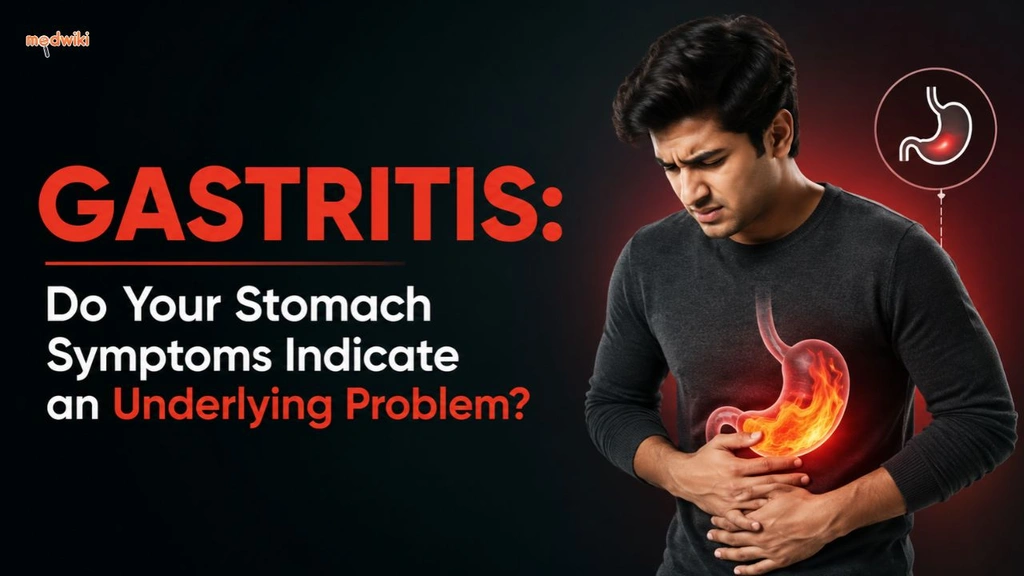
Digestive discomfort is common, but persistent stomach pain, bloating, nausea, or a burning sensation should not be ignored. These symptoms may indicate an underlying digestive condition that requires timely medical attention.Gastritis is a condition in which the lining of the stomach becomes inflamed or irritated. It can develop suddenly or gradually due to infections, certain medications, alcohol use, stress, or other underlying health conditions.Understanding the symptoms, causes, types, diagnosis, and treatment of gastritis can help you seek care at the right time. Early diagnosis and proper treatment can relieve symptoms, prevent complications, and support long-term digestive health.What Is Gastritis and Why Does It DevelopGastritis is agastriccondition in which the protective lining of the stomach becomes inflamed, irritated, or damaged. This inflammation can interfere with normal digestion and cause a variety of digestive symptoms such as stomach pain, nausea, vomiting, bloating, and indigestion.The condition may develop suddenly, known asacute gastritis, or progress gradually over time aschronic gastritis. The severity of symptoms varies depending on the underlying cause and the extent of inflammation.Common causes of gastritis include Helicobacter pylori infection, long-term use of pain-relieving medicines, excessive alcohol consumption, stress, and autoimmune conditions. Early diagnosis and treatment can help prevent complications and promote recovery.Symptoms of Gastritis: Early Warning Signs to Watch ForThe symptoms of gastritis can vary depending on the cause and severity of the inflammation. While some people experience only mild digestive discomfort, others may develop persistent symptoms that affect their appetite, digestion, and overall quality of life.Common signs and symptoms of gastritis include:Burning or aching pain in the upper abdomen, especially between meals or after eatingNausea with or without vomiting, which may occur after meals or on an empty stomachBloating and a feeling of abdominal fullness, even after eating a small amount of foodLoss of appetite that makes it difficult to consume regular mealsIndigestion or stomach discomfort, particularly after eating spicy, fatty, or acidic foodsFrequent belching or excessive burping caused by irritation of the stomach liningFeeling full quickly during meals, even when only a small quantity of food is consumedIf these symptoms persist for more than a few days, become severe, or are accompanied by vomiting blood, black stools, or intense abdominal pain, seek medical attention immediately. Early diagnosis and treatment can help prevent complications and promote faster recovery.Acute, Chronic, Antral & Erosive Gastritis: Understanding the TypesGastritis can be classified into different types based on how it develops, how long it lasts, and which part of the stomach is affected. Understanding these types helps doctors determine the most appropriate treatment and prevent potential complications.Acute Gastritis: A sudden inflammation of the stomach lining that develops quickly, often due to infections, certain medications, alcohol consumption, or stress. With timely treatment, symptoms usually improve within a few days.Chronic Gastritis: A long-term inflammation that develops gradually and is commonly associated withHelicobacter pylori infection, autoimmune conditions, or prolonged use of certain medications. It may lead to digestive complications if left untreated.Antral Gastritis: A type of gastritis that affects the lower part of the stomach (antrum), most often caused byHelicobacter pylori infection or excess stomach acid. It commonly causes indigestion, bloating, and upper abdominal discomfort.Erosive Gastritis: A type of gastritis in which the stomach lining develops erosions or small sores due to factors such as NSAID use, excessive alcohol consumption, severe stress, or illness. It may cause stomach pain, nausea, and, in severe cases, stomach bleeding.How Gastritis Is Classified Under ICD-10Gastritis ICD 10 is the International Classification of Diseases code used by healthcare professionals to identify different forms of gastritis for medical records, diagnosis, insurance claims, and hospital documentation.The primary ICD-10 category for gastritis isK29, which includes conditions such as acute gastritis, chronic gastritis, alcoholic gastritis, erosive gastritis, and other specified forms. The exact code depends on the patient's diagnosis and clinical findings.Although patients rarely need to know the ICD-10 code, it plays an important role in maintaining accurate medical records and ensuring proper communication between healthcare providers and insurance companies.How Is Gastritis Diagnosed with EndoscopyEndoscopy is a commonly used diagnostic procedure that helps doctors closely examine the inside of the stomach. It provides detailed information about inflammation, ulcers, bleeding, and other abnormalities affecting the stomach lining.Key points about endoscopy for gastritis include:Endoscopy allows doctors to examine the stomach lining using a thin, flexible tube with a camera to identify inflammation, irritation, ulcers, or other abnormalities.The procedure is performed by gently passing the endoscope through the mouth into the stomach while the patient receives local anesthesia or mild sedation for comfort.Endoscopy helps identify complications related to gastritis such as bleeding, ulcers, or significant changes in the stomach lining.Doctors usually recommend endoscopy for persistent or concerning symptoms including ongoing stomach pain, unexplained weight loss, repeated vomiting, difficulty swallowing, anemia, or gastrointestinal bleeding.The findings from endoscopy help doctors choose the most suitable treatment plan based on the cause and severity of gastritis.Endoscopy plays an important role in accurate diagnosis and helps ensure that gastritis is managed with the right treatment approach. It is especially useful when symptoms do not improve with initial treatment or when complications are suspected.Can Gastritis Be Life-ThreateningMany people wonder, can gastritis kill you? In most cases, gastritis is not life-threatening and can be managed effectively with proper diagnosis and treatment. However, untreated severe cases may lead to complications.Certain types of gastritis, especially erosive or long-standing inflammation, may increase the risk of stomach ulcers, bleeding, or other digestive problems. Seeking medical care when symptoms persist helps prevent these complications.Warning signs such as vomiting blood, black stools, severe abdominal pain, or unexplained weight loss should not be ignored. Timely evaluation by a doctor can help detect serious issues and ensure appropriate treatment.How to Treat Gastritis and Improve Stomach HealthGastritis treatment depends on the cause, severity, and type of inflammation affecting the stomach lining. The main goal is to reduce irritation, control stomach acid, relieve symptoms, and support proper healing.Treatment options for gastritis include:Acid-reducing medicines help lower stomach acid production and provide relief from symptoms such as burning pain, irritation, and upper abdominal discomfort.Stomach-protective medicines help protect the stomach lining and support the healing process by reducing further irritation.Antibiotics may be prescribed for Helicobacter pylori infection to remove the bacteria responsible for inflammation and prevent recurrence.Certain pain-relieving medicines may need to be changed or stopped under medical guidance if they are contributing to stomach irritation.A balanced and stomach-friendly diet can improve recovery by avoiding spicy, acidic, and irritating foods that may worsen symptoms.With proper treatment, dietary changes, and lifestyle modifications, most cases of gastritis can be managed effectively. Early care can help prevent complications and promote better digestive health.When to Visit a DoctorMild gastritis symptoms may improve with dietary changes and proper care, but medical advice is important when symptoms continue for a long time or become more severe. Persistent stomach pain, frequent nausea, vomiting, or difficulty eating should be evaluated by a healthcare professional.You should consult a doctor if you experience signs such as unexplained weight loss, repeated vomiting, severe abdominal discomfort, blood in vomit, or black stools. These symptoms may indicate complications that require immediate diagnosis and treatment.Regular medical check-ups are especially important for people with chronic gastritis, a history of stomach ulcers, or ongoing use of medicines that can irritate the stomach lining. Early diagnosis helps prevent further damage and supports better recovery.ConclusionGastritis is a common digestive condition that occurs when the stomach lining becomes inflamed or irritated. It can develop suddenly as acute gastritis or continue for a longer duration as chronic gastritis, depending on the underlying cause.Recognizinggastritis symptoms such as stomach pain, burning sensation, nausea, vomiting, bloating, and indigestion early, understanding different types such asantral gastritis and erosive gastritis, and getting proper diagnosis through tests likeendoscopy can help manage the condition effectively and prevent complications.With appropriate gastritis treatment, healthy lifestyle habits, and regular medical guidance, most people can control symptoms and improve their digestive health. Addressing the root cause is the key to long-term relief and preventing recurrence.Frequently Asked Questions1. What is gastritis?Gastritis is inflammation of the stomach lining that can cause stomach pain, nausea, bloating, and digestive discomfort.2. What are the common symptoms of gastritis?Common gastritis symptoms include upper abdominal pain, burning sensation, nausea, vomiting, bloating, indigestion, and loss of appetite.3. What causes gastritis?Gastritis can occur due to bacterial infections, excessive stomach acid, long-term use of certain medicines, alcohol consumption, stress, and unhealthy eating habits.4. Is gastritis a serious condition?Most cases of gastritis can be treated effectively, but untreated severe cases may lead to complications such as ulcers or stomach bleeding.5. What is antral gastritis?Antral gastritis is inflammation that affects the lower part of the stomach and is commonly associated withHelicobacter pylori infection.6. What is the treatment for gastritis?Gastritis treatment may include acid-reducing medicines, infection treatment, dietary changes, and lifestyle modifications to protect the stomach lining.7. Can gastritis be cured permanently?Gastritis can often be managed successfully by treating the underlying cause and maintaining healthy eating and lifestyle habits.
1:15
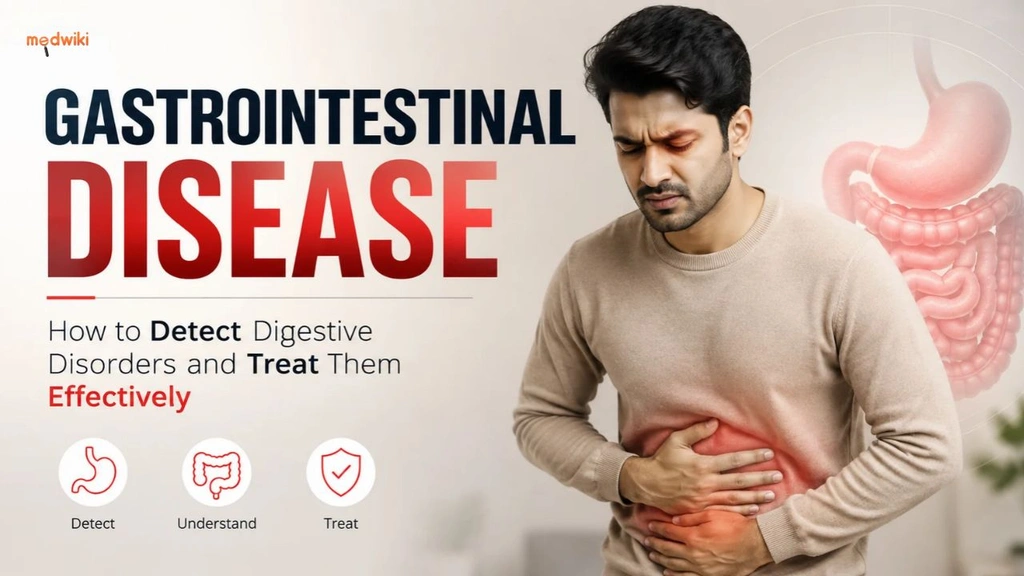
Digestive health plays an important role in maintaining overall well-being. When the digestive system does not function properly, it can affect nutrient absorption, energy levels, and daily comfort. Conditions affecting the stomach, intestines, and other digestive organs are becoming increasingly common due to unhealthy eating habits, stress, infections, and lifestyle factors.Understanding digestive disorders helps people recognize symptoms early and seek timely medical care. Early diagnosis can prevent complications and improve the quality of life through proper treatment and healthy lifestyle changes.Whether the condition is mild or chronic, learning about its causes, symptoms, and available treatments can help individuals manage digestive healthmore effectively.What is Gastrointestinal DiseaseGastrointestinal Disease refers to a group of disorders that affect the digestive system, including the esophagus, stomach, small intestine, large intestine, rectum, and anus. These conditions may interfere with digestion, nutrient absorption, or waste elimination.Some gastrointestinal diseases develop suddenly due to infections, while others become chronic because of inflammation, autoimmune conditions, or long-term digestive problems. The severity may range from mild digestive discomfort to serious health complications.Understandingwhat gastrointestinal disease is helps individuals identify warning signs early and seek medical advice before symptoms worsen. Proper diagnosis allows doctors to recommend the most suitable treatment plan.What Causes Gastrointestinal DiseaseThe causes of gastrointestinal disease vary depending on the specific condition affecting the digestive system. Identifying the underlying cause helps guide appropriate treatment and prevent future complications.Common causes of gastrointestinal disease include :Bacterial, viral, or parasitic infectionsChronic inflammation of the digestive tractAutoimmune disordersGenetic and hereditary factorsUnhealthy eating habitsExcessive consumption of processed foodsAdopting a healthy lifestyle, eating a balanced diet, practicing good hygiene, and having regular medical check-ups can help reduce the risk of many gastrointestinal diseases.Understanding Disorders of the Gastrointestinal TractAGastrointestinal Tract Disease affects any part of the digestive tract responsible for moving and processing food. The digestive tract begins at the mouth and extends through the esophagus, stomach, intestines, rectum, and anus.Common gastrointestinal tract diseases include gastroesophageal reflux disease (GERD), gastritis, peptic ulcers, irritable bowel syndrome (IBS), inflammatory bowel disease (IBD), Crohn's disease, ulcerative colitis, and colorectal disorders. Each condition affects digestion differently and may require specific treatment.Maintaining a balanced diet, staying hydrated, exercising regularly, and avoiding smoking or excessive alcohol consumption can reduce the risk of developing several gastrointestinal tract diseases and support healthy digestion.How to Recognize Gastrointestinal Disease SymptomsGastrointestinal diseases can affect the digestive system in different ways depending on the underlying condition. While some symptoms are temporary, persistent or severe digestive problems may indicate the need for medical evaluation.Abdominal pain or crampsBloatingNausea and vomitingDiarrheaConstipationHeartburnDifficulty swallowingExcessive gasUnexplained weight lossIf these symptoms persist for several weeks, become more severe, or occur with fever, blood in the stool, or dehydration, seek medical attention for early diagnosis and appropriate treatment.How Gastrointestinal Disease Affects the SkinAlthough digestive disorders mainly affect the gastrointestinal tract, some conditions can also produce changes in the skin. These skin problems may occur because of inflammation, nutritional deficiencies, autoimmune disorders, or poor absorption of essential vitamins and minerals.Commonskin gastrointestinal disease manifestations include itchy rashes, dry skin, mouth ulcers, red bumps, eczema-like patches, and skin discoloration. Conditions such as inflammatory bowel disease, celiac disease, and liver-related digestive disorders are sometimes associated with these skin symptoms.If skin changes occur along with abdominal pain, diarrhea, constipation, bloating, or unexplained weight loss, medical evaluation is recommended. Treating the underlying digestive condition often improves both gastrointestinal and skin-related symptoms.Treatment Options for Gastrointestinal DiseaseTreatment for gastrointestinal disease depends on the underlying cause, severity of symptoms, and the affected part of the digestive system. After a proper diagnosis, a healthcare provider recommends the most appropriate treatment plan.Acid-reducing medicationsAntibiotics for bacterial infectionsAnti-inflammatory medicationsMedicines for diarrhea or constipationMedicines for diarrhea or constipationDietary modificationsFollowing the prescribed treatment plan and attending regular follow-up appointments can help control symptoms, promote recovery, and reduce the risk of complications.When Should You Seek Medical Care for Gastrointestinal DiseaseMany digestive problems improve with simple dietary and lifestyle changes, but persistent or worsening symptoms should not be ignored. Seeking medical attention at the right time can help diagnose the underlying condition early and prevent serious complications.Visit a doctor if you experience severe or persistent abdominal pain, ongoing diarrhea or constipation, frequent vomiting, difficulty swallowing, unexplained weight loss, blood in the stool, black-colored stools, or persistent heartburn that does not improve with treatment. These symptoms may indicate a more serious gastrointestinal disorder.Immediate medical care is recommended if digestive symptoms are accompanied by high fever, severe dehydration, continuous bleeding, intense abdominal swelling, or sudden, unbearable abdominal pain. Early evaluation and prompt treatment can improve recovery and protect your overall digestive health.ConclusionDigestive disorders can affect people of all ages and may range from temporary discomfort to chronic medical conditions. Recognizinggastrointestinal disease symptoms, understandingwhat is gastrointestinal disease, and identifying theearly signs of gastrointestinal disease can help ensure timely diagnosis and appropriate treatment.Most gastrointestinal tract disease conditions can be managed successfully through medications, dietary modifications, healthy lifestyle habits, and regular medical follow-up. Early intervention helps relieve symptoms such asstomach ache, bloating, and abdominal discomfort while reducing the risk of long-term complications.If you experience persistent digestive problems, unexplained changes in bowel habits, severe abdominal pain, or skin changes associated with digestive symptoms, consult a healthcare professional promptly. Taking care of your digestive health is essential for maintaining overall well-being and improving your quality of life.Frequently Asked Questions (FAQs)1. What is gastrointestinal disease?Gastrointestinal disease refers to disorders that affect the digestive system.2. What are the common symptoms of gastrointestinal disease?Common symptoms include abdominal pain, bloating, diarrhea, constipation, nausea, and heartburn.3. What causes gastrointestinal disease?It can be caused by infections, unhealthy eating habits, stress, autoimmune disorders, or genetics.4. Can gastrointestinal disease be treated?Yes, most gastrointestinal diseases can be managed with medications and lifestyle changes.5. When should I see a doctor for gastrointestinal symptoms?See a doctor if symptoms persist, worsen, or include severe pain, blood in the stool, or weight loss.6. Can gastrointestinal disease affect the skin?Yes, some digestive disorders can cause rashes, itching, and other skin changes.7. How can I prevent gastrointestinal disease?Eat a balanced diet, stay hydrated, exercise regularly, and avoid smoking and excessive alcohol.
1:15
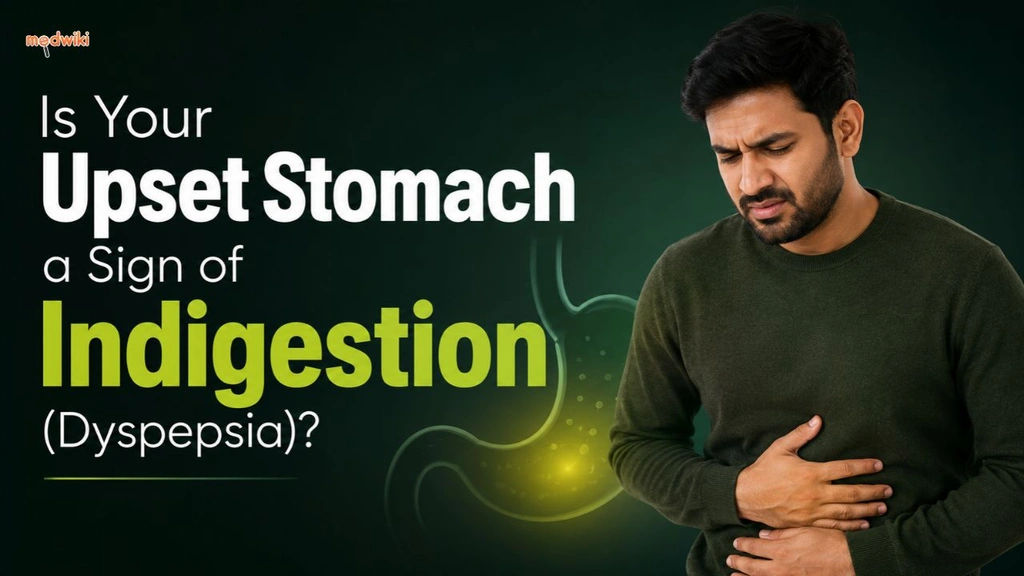
Digestive discomfort is a common health concern that affects people of all ages and may interfere with daily activities. It often develops after eating and can cause a feeling of fullness, pain, or burning in the upper abdomen. While occasional episodes are usually harmless, frequent symptoms may indicate an underlying digestive disorder.Many people experience digestive problems because of unhealthy eating habits, stress, certain medications, or medical conditions. Identifying the exact cause is important because similar symptoms can also occur due to acid reflux,stomach ulcers, or functional digestive disorders. Early attention helps prevent recurring discomfort and improves overall digestive health.Understanding the symptoms, causes, diagnosis, and management options allows individuals to make informed lifestyle choices. Timely medical evaluation, balanced nutrition, and healthy daily habits play a major role in reducing digestive discomfort and maintaining long-term gastrointestinal health.What is DyspepsiaDyspepsia is the medical term used to describe indigestion, a condition that causes discomfort or pain in the upper part of the abdomen. It is considered a symptom rather than a disease and may occur occasionally or become a long-term problem depending on its underlying cause.People with dyspepsia commonly experience fullness after meals, bloating, burning sensations, belching, or nausea. These symptoms may appear after eating certain foods or during periods of stress, making daily activities uncomfortable and reducing appetite.Although mild dyspepsia often improves with dietary changes and healthy lifestyle habits, persistent or severe symptoms require medical evaluation. Proper diagnosis helps identify conditions such as acid reflux, stomach ulcers, infections, or functional digestive disorders that may need specific treatment.How to Identify Indigestion (Dyspepsia) SymptomsIndigestion Symptoms can vary from person to person and often develop during or shortly after eating.Common symptoms include:Bloating that causes a feeling of fullness or swelling in the abdomen.Feeling full after eating only a small amount of food.A burning sensation in the upper abdomen or chest.Nausea that may make you feel like vomiting.Frequent belching due to trapped gas.Upper abdominal pain or discomfort in the upper stomach.Seek medical attention if indigestion symptoms persist for several weeks or occur with warning signs such asunexplained weight loss, repeated vomiting, difficulty swallowing, or black stools.What Causes Indigestion (Dyspepsia)Indigestion can develop because of everyday eating habits, lifestyle factors, or underlying digestive disorders. Identifying the exact cause helps in managing symptoms effectively and reducing the chances of recurring digestive discomfort.Overeating can put extra pressure on the digestive system.Excess caffeine or alcohol can increase digestive discomfort.Acid reflux (GERD) can lead to frequent indigestion symptoms.Stomach ulcers can cause persistent digestive pain and discomfort.Helicobacter pylori (H. pylori) infection can inflame the stomach lining.Gallbladder disease can cause indigestion especially after fatty meals.While occasional indigestion is usually harmless, persistent or recurring symptoms should be evaluated by a healthcare professional. Treating the underlying cause is the key to long-term relief and better digestive health.Living with Functional DyspepsiaFunctional Dyspepsia is a chronic form of indigestion in which symptoms persist despite no visible structural abnormality being found during medical examinations. It is one of the most common functional gastrointestinal disorders.People with functional dyspepsia frequently experience upper abdominal discomfort, early fullness after eating, bloating, nausea, and burning sensations. Stress, abnormal stomach movement, and increased sensitivity of the digestive tract may contribute to the condition.Management usually involves dietary modifications, stress reduction, regular meal timing, and medications recommended by a healthcare provider. Long-term symptom control often requires a combination of lifestyle changes and medical treatment.Acid Reflux: When Stomach Acid Flows BackAcid Reflux (GERD) occurs when stomach acid repeatedly flows back into the food pipe, causing irritation and discomfort. This condition commonly overlaps with indigestion and may produce similar digestive symptoms.People with GERD often experience heartburn, sour taste in the mouth, chest discomfort, regurgitation, and upper abdominal burning after meals. Symptoms may worsen when lying down or after eating large meals.Maintaining a healthy weight, avoiding trigger foods, eating smaller meals, and following prescribed medications can help control acid reflux. Early treatment reduces the risk of long-term complications affecting the esophagus.Why Do You Feel Bloated After EatingBloating After Eating is a common digestive symptom that can make the abdomen feel full, swollen, or tight after meals. While occasional bloating is usually harmless, frequent episodes may indicate poor eating habits or an underlying digestive condition.Eating too quickly can cause excess air to be swallowed.Overeating can slow digestion and increase abdominal fullness.Gas-producing foods can contribute to bloating after meals.Food intolerances can trigger recurring digestive discomfort.Digestive disorders may lead to persistent bloating that requires medical attention.Simple lifestyle changes such as eating smaller meals, chewing food thoroughly, and staying physically active can help reduce bloating. If bloating occurs frequently or is accompanied by severe pain, weight loss, or other concerning symptoms, consult a healthcare professional.Why Do You Feel Nauseous After EatingNausea After Eating is a common digestive symptom that may occur shortly after meals. While occasional nausea is often temporary, frequent episodes can indicate an underlying digestive disorder that requires medical attention.Overeating can trigger nausea by putting extra strain on the stomach.Fatty or spicy foods can irritate the digestive system and cause discomfort.Food intolerances can lead to nausea after consuming certain foods.GERD and functional dyspepsia can cause recurring nausea after meals.Digestive infections may result in nausea along with other gastrointestinal symptoms.Eating smaller meals, staying hydrated, and avoiding trigger foods can help reduce nausea after eating. If the symptom is persistent, severe, or accompanied by vomiting, weight loss, or abdominal pain, consult a healthcare professional for proper evaluation and treatment.Why Do You Belch FrequentlyBelching is a normal digestive process that helps release swallowed air from the stomach. However, frequent belching may be associated with indigestion, acid reflux, or other digestive conditions.Eating too quickly can increase the amount of swallowed air.Carbonated beverages can lead to excess gas and frequent belching.Chewing gum or talking while eating can cause more air to be swallowed.Overeating can increase stomach pressure and trigger belching.Digestive disorders such as acid reflux or indigestion can cause repeated belching.Eating slowly, limiting carbonated drinks, and avoiding overeating can help reduce frequent belching. If belching becomes persistent or occurs with abdominal pain, weight loss, or other digestive symptoms, consult a healthcare professional for evaluation.ConclusionMaintaining good digestive health begins with understanding the causes and symptoms of indigestion. Healthy eating habits, regular meal timings, and properhydration help reduce digestive discomfort and support normal stomach function.Most episodes of indigestion improve with simple lifestyle modifications and appropriate medical care when needed. Recognizing warning signs early allows timely diagnosis and prevents symptoms from becoming chronic or more severe.If indigestion occurs frequently, lasts for several weeks, or is accompanied by alarming symptoms such as weight loss, persistent vomiting, or severeabdominal pain, consulting a healthcare professional is essential for accurate diagnosis and effective treatment.Frequently Asked Questions1. What is dyspepsia?Dyspepsia is the medical term for indigestion that causes discomfort or pain in the upper abdomen.2. What are the common indigestion symptoms?Common indigestion symptoms include bloating, upper abdominal pain, belching, nausea after eating, and early fullness.3. What are the main indigestion causes?Indigestion causes include overeating, spicy or fatty foods, stress, acid reflux (GERD), certain medications, and digestive disorders.4. What is functional dyspepsia?Functional dyspepsia is a chronic type of indigestion where symptoms persist without any visible structural digestive disease.5. How is indigestion treatment done?Indigestion treatment includes lifestyle changes, dietary modifications, and medications depending on the underlying cause.6. Can acid reflux (GERD) cause indigestion?Yes, Acid Reflux (GERD) is one of the common conditions that can cause recurrent indigestion symptoms.7. When should I consult a doctor for indigestion?Consult a doctor if indigestion is frequent, severe, or accompanied by weight loss, persistent vomiting, difficulty swallowing, or black stools.
1:15
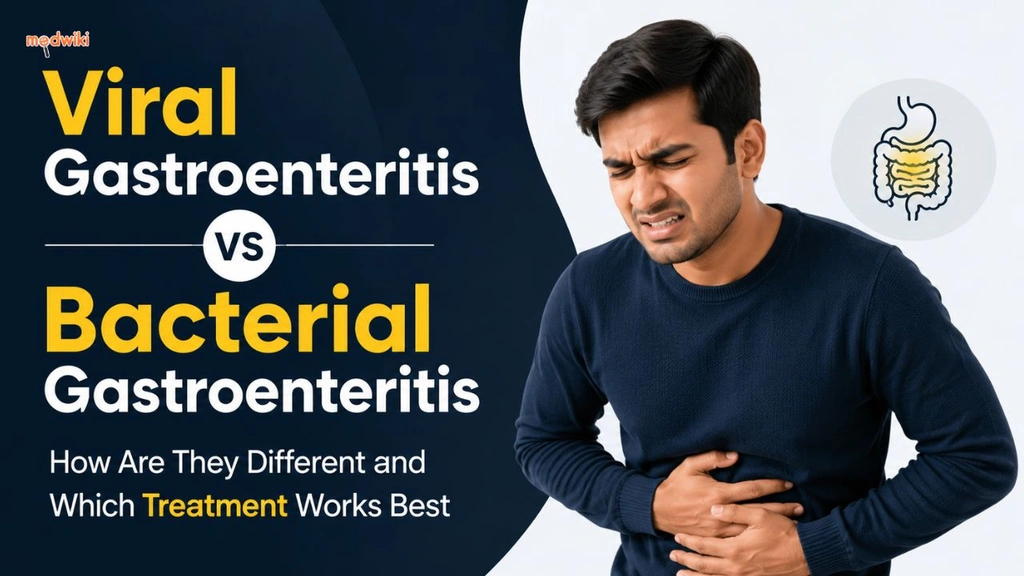
Inflammation of the stomach and intestines is commonly known as Gastroenteritis, a digestive condition that can affect people of all ages. . It occurs when the digestive system becomes affected by infections caused by viruses, bacteria, or other harmful microorganisms. Understanding the difference between Viral Gastroenteritis vs Bacterial Gastroenteritis can help in recognizing symptoms and choosing the right care.Both conditions are types of Infectious Gastroenteritis and can lead to symptoms such as nausea, vomiting, stomach cramps, fever, and diarrhea. Although they may appear similar, the causes, severity, and treatment approaches can vary depending on the type of infection.Gastroenteritis is sometimes confused withStomach Flu because of its similar symptoms, but it is not related to influenza. It is mainly a Gastrointestinal Infection or Digestive Tract Infection that affects normal digestion and can cause temporary discomfort.What Is Gastroenteritis and Why Does It Cause Vomiting and DiarrheaGastroenteritis is an inflammation of the stomach and intestines that affects thedigestive tract. It can develop due to viruses, bacteria, parasites, or contaminated food and water. This condition is also known as Acute Gastroenteritis when symptoms appear suddenly and last for a short period.A Gastrointestinal Infection can disturb the normal functioning of the digestive system, leading to irritation of the stomach lining and intestinal walls. As a result, the body may react withvomiting , abdominal pain, and changes in bowel movements.Most cases of gastroenteritis improve within a few days with proper hydration and supportive care. However, severe infections can cause complications, especially when excessive fluid loss leads to dehydration due to diarrhea.How Can You Recognize Viral Gastroenteritis Symptoms EarlyViral Gastroenteritis is a common digestive infection caused by viruses such as norovirus and rotavirus. It mainly affects the stomach and intestines, leading to sudden digestive problems that usually improve within a few days.Common symptoms of Viral Gastroenteritis include:Watery diarrheaNauseaVomitingStomach crampsMild feverLoss of appetiteWeakness and tirednessThese symptoms usually appear suddenly and may cause dehydration if there is excessive fluid loss through diarrhea and vomiting. Most cases improve with proper hydration and supportive care.Identify Symptoms of Bacterial GastroenteritisBacterial Gastroenteritis occurs when harmful bacteria infect the digestive system through contaminated food or water. It can often cause more intense digestive symptoms compared to viral infections.Common symptoms of Bacterial Gastroenteritis include:Frequent diarrheaSevere stomach pain or crampsHigh feverNausea and vomitingBlood in stool in some casesLoss of appetiteFatigue and weaknessThe severity of symptoms depends on the type of bacteria causing the infection and the person’s overall health. Early recognition of symptoms can help in managing the condition and reducing the risk of complications.How Is Gastroenteritis TreatedGastroenteritis Treatment focuses on relieving symptoms, preventing dehydration, and helping the body recover. The treatment approach may vary depending on whether the infection is caused by a virus or bacteria and how severe the symptoms are.Most cases ofViral Gastroenteritis improve on their own with adequate rest and supportive care.Drink plenty of water, clear fluids, or Oral Rehydration Solution (ORS) to prevent dehydration.Eat light, easy-to-digest foods during recovery.Treatment forBacterial Gastroenteritis depends on the type and severity of the infection.Some bacterial infections may require medications prescribed by a healthcare professional.Following the recommended treatment plan and maintaining proper hydration can help speed up recovery and reduce the risk of complications. If symptoms worsen or do not improve, consult a healthcare.Are You Suffering from Stomach Flu? Here's What You Need to KnowStomach Flu is a commonly used term for Viral Gastroenteritis, but it is not related to influenza. It occurs when viruses infect the digestive system and cause inflammation in the stomach and intestines. The condition mainly affects digestion rather than the respiratory system.Symptoms of Stomach Flu usually include nausea, vomiting, stomach discomfort, mild fever, and diarrhea. Viral infections such as norovirus are among the common causes of this condition and can spread quickly among people.Although Stomach Flu often improves within a few days, maintaining proper fluid intake is important. Rest and hydration support recovery while helping the body fight the viral infection naturally.Could Your Stomach Problems Be Caused by Food PoisoningFood Poisoning is a common digestive illness that occurs after consuming food or water contaminated with harmful bacteria, viruses, or toxins. It is one of the leading causes ofGastroenteritis and can trigger sudden digestive symptoms.Food Poisoning can occur after eating contaminated food or drinking unsafe water.Bacterial Food Poisoning is often caused by improperly cooked food, poor food storage, or unsafe food handling.Common symptoms include nausea, vomiting, stomach cramps, diarrhea, and fever.The severity of symptoms depends on the type of bacteria, virus, or toxin involved and the person's overall health.Practicing good food hygiene, cooking food thoroughly, storing food properly, and drinking clean water can help reduce the risk of Food Poisoning.Most cases of Food Poisoning improve with adequate rest, hydration, and supportive care. However, if symptoms become severe, persist for several days, or are accompanied by signs of dehydration or bloody diarrhea, medical attention should be sought promptly to prevent complications.How Can You Recognize Acute Gastroenteritis Before It Becomes SevereAcute Gastroenteritis refers to sudden inflammation of the stomach and intestines that usually develops quickly. It can be caused by viruses, bacteria, contaminated food, or other infectious agents affecting the digestive system.People with Acute Gastroenteritis may experience symptoms such as diarrhea, vomiting, abdominal discomfort, and weakness. The condition often improves within a short period when proper care and hydration are maintained.Although many cases of Acute Gastroenteritis are temporary, severe infections may require medical attention. Continuous fluid loss and worsening symptoms can increase the risk of complications.Could Watery Diarrhea Be a Sign of GastroenteritisWatery Diarrhea is one of the most common symptoms ofGastroenteritis, especiallyViral Gastroenteritis. It can lead to significant fluid and electrolyte loss, making early hydration essential for recovery.Watery Diarrhea occurs when the intestines are unable to absorb enough water, resulting in frequent loose stools.It is commonly associated withViral Gastroenteritis, although it can also occur inBacterial Gastroenteritis.Bacterial infections may sometimes cause more severe diarrhea depending on the type of bacteria involved.Frequent watery stools can lead to dehydration and the loss of important electrolytes needed for normal body functions.Drinking plenty of water and Oral Rehydration Solution (ORS) can help replace lost fluids and maintain hydration.Maintaining proper hydration and following appropriate dietary and medical advice can support recovery and help prevent complications caused by excessive fluid loss.Is It a Digestive Tract InfectionA Digestive Tract Infection affects different parts of the digestive system, including the stomach and intestines. It can interfere with normal digestion and cause symptoms such as abdominal pain, diarrhea, nausea, and vomiting.Viral and bacterial infections are common reasons behind Digestive Tract Infection. The severity depends on the type of microorganism causing the infection and the health condition of the affected person.Preventing Digestive Tract Infection requires safe food habits, clean water, and proper personal hygiene. These practices help reduce exposure to harmful organisms that can affect the digestive system.ConclusionGastroenteritis is a common digestive condition that can be caused by viruses, bacteria, contaminated food, or unsafe water. Understanding the differences betweenViral Gastroenteritis andBacterial Gastroenteritis can help you recognize symptoms early and choose the right course of action.Most cases improve with proper hydration, rest, and supportive care, while some bacterial infections may require medical treatment. Paying attention to warning signs such as persistent diarrhea, high fever, severe abdominal pain, or dehydration is important to prevent complications.Practicing good hand hygiene, consuming safe food and clean drinking water, and maintaining healthy food handling habits can help reduce the risk ofGastrointestinal Infection. If symptoms become severe or do not improve, consult a healthcare professional for timely diagnosis and appropriate treatment.Frequently Asked Questions1. What is the difference between Viral Gastroenteritis and Bacterial Gastroenteritis?Viral Gastroenteritis is caused by viruses, while Bacterial Gastroenteritis is caused by harmful bacteria and may cause more severe symptoms.2. How long does Gastroenteritis usually last?Most cases of Viral Gastroenteritis resolve within 1–3 days, while bacterial infections may take longer to recover.3. How can I prevent Dehydration Due to Diarrhea?Drink plenty of water, Oral Rehydration Solution (ORS), and other fluids to replace lost water and electrolytes.4. Is Stomach Flu the same as influenza?No, Stomach Flu is Viral Gastroenteritis that affects the digestive system, whereas influenza affects the respiratory system.5. When should I see a doctor for Gastroenteritis?Seek medical care if you have severe dehydration, high fever, bloody diarrhea, or symptoms that persist for several days.6. Can Food Poisoning cause Gastroenteritis?Yes, consuming contaminated food or water is a common cause of Gastroenteritis.7. What should I eat during recovery from Gastroenteritis?Eat light, easy-to-digest foods and stay well hydrated until your symptoms improve.

1:15
Digestive problems are common, and many people turn to probiotic supplements for quick relief. However, not every supplement works the same way for everyone, and understanding what you are consuming is always important before making it part of your routine.Enterogermina capsule is often used to restore gut balance, but using it without proper knowledge may not give the desired results. This guide will help you understand its role, precautions, and practical aspects in a simple and clear way.Understanding how this probiotic supplement works in the bodyThis supplement contains beneficial bacteria that help restore the natural balance of gut flora. It mainly supports digestion when your system is disturbed due to illness or medication.Helps replenishgood bacteria in the intestineSupports digestion after infections or antibioticsMaintains gut flora balanceIt works gradually, so results may not be immediate. Consistency and proper usage matter for effectiveness. Many people expect instant relief, but probiotics usually need time to show noticeable improvement.Situations where people commonly consider taking this supplementMany people use probiotics during digestive discomfort, but it is not always necessary in every case. Its usage depends on the condition and severity of symptoms.Diarrhea caused by infectionsDigestive imbalance after antibioticsMild gut disturbancesNot every stomach issue requires it. It is better to understand the cause before starting any supplement. Sometimes, simple dietary changes can also solve minor issues without needing additional support.Important things you should check before starting this supplementBefore using any probiotic, basic checks can prevent unnecessary problems. Many people skip this step and later face confusion.Check forallergies or sensitivitiesReview ongoing medicationsConsult a doctor if symptoms are severeTaking a few precautions can make the experience safer and more effective. It also helps in avoiding unnecessary side effects that could have been prevented with simple awareness.Benefits of using this probiotic for gut healthProbiotics are known for their digestive benefits, but they also support overall gut stability. Their effect depends on proper usage and timing.Improves digestionHelps restore gut floraSupports recovery from stomach infectionsWhile benefits are helpful, they are usually mild and supportive rather than instant cures. Using enterogermina capsule regularly for a short duration may help improve gut balance in a steady manner.Uses of this supplement in different digestive conditionsThis supplement is used in multiple digestive situations, especially when the gut needs support. However, it is not a replacement for proper treatment.Helps manage antibiotic-related diarrheaUsed in mild digestive disturbancesSupports gut recoveryMany people search for enterogermina capsules uses, but its use should always match the actual health need. Overuse without understanding the condition may not give better results.Side effects that you should be aware of before useAlthough generally safe, some users may experience mild side effects. These are usually temporary but should not be ignored.Mild bloatingGas or discomfortRare allergic reactionsIf symptoms persist, it is better to stop and seek medical advice rather than continuing blindly. Listening to your body is important when trying any new supplement.Correct way to take the supplement for best resultsTaking the supplement correctly is important to get the desired outcome. Improper usage can reduce its effectiveness.Follow recommended timingAvoid mixing with hot liquidsTake as per medical adviceUnderstanding enterogermina capsules dosage properly ensures better results and fewer issues. Taking too much or too little can both reduce its effectiveness.Differences between capsule and liquid probiotic formsMany people get confused between different forms available in the market. Both forms serve the same purpose but differ in usage convenience.Capsules are easy for adultsLiquid form is often preferred for childrenAbsorption may vary slightlySome people prefer enterogermina liquid due to ease of consumption, especially in specific age groups. Choosing the right form depends on comfort and convenience.When you should avoid taking this supplement completelyThere are situations where avoiding probiotics is the better option. Not everyone is an ideal candidate for such supplements.Severe illness without diagnosisCompromised immune systemUnknown allergic reactionsIgnoring these conditions can lead to unwanted complications instead of benefits. In such cases, proper medical evaluation should come first.Common mistakes people make while using probioticsMany users expect instant results or misuse the supplement without proper understanding. These mistakes reduce effectiveness.Taking incorrect dosesUsing without medical adviceExpecting quick resultsBeing aware of enterogermina capsules dosage helps avoid such common errors. Small mistakes can lead to confusion about whether the supplement is working or not.How long it usually takes to show noticeable effectsProbiotics do not work instantly like painkillers. They take time to improve gut balance gradually.Effects may start in a few daysFull benefit may take longerDepends on individual gut conditionPatience is important when using any probiotic supplement. Consistent use along with a healthy routine improves the chances of better results.Can this supplement be taken with other medications safelyCombining supplements with medicines needs careful attention. Not all combinations are harmful, but caution is required.Usually safe with antibioticsMaintain a gap between dosesConsult a doctor for chronic medicationsUnderstanding interactions helps prevent unnecessary complications. It also ensures that both treatments work effectively without reducing each other's impact.Role of diet and lifestyle along with probiotic useProbiotics alone cannot fix digestive issues if lifestyle habits are poor. A balanced approach is always more effective.Eat fiber-rich foodsStay hydratedAvoid excessive junk foodEven when using enterogermina capsule, lifestyle plays a major role in results. Without proper habits, the benefits may not last long.ConclusionUsing a probiotic supplement can be helpful, but only when used correctly and for the right reason. Blind usage without understanding your condition may not give the results you expect. It is always better to know what you are taking and why you are taking it.Enterogermina capsule can support gut health, but it should not replace medical advice or proper treatment. A balanced approach with awareness, diet, and correct usage will always give better outcomes. Also, maintaining consistency in routine and diet can enhance the overall effectiveness of such supplements.FollowMedwikifor more!Frequently Asked Questions1. Can I take this supplement daily without a doctor’s advice?It is not recommended to take any supplement daily without understanding your condition. Occasional use may be fine, but regular intake should be guided by a professional.2. Is it safe for children to use this probiotic?Yes, but dosage and form matter. Many parents prefer enterogermina liquid for children as it is easier to consume and measure.3. Can I take it during antibiotic treatment?Yes, it is often used alongside antibiotics. However, maintain a time gap to ensure both work effectively without interference.4. Does it help in severe stomach infections?It may support recovery, but it is not a primary treatment. Severe infections require proper medical care along with supportive supplements.5. Can it cause gas or bloating initially?Yes, some people may feel mild bloating in the beginning. This usually settles as the body adjusts to the probiotic.6. Which form is better, capsule or liquid?Both forms are effective. Capsules are convenient for adults, while enterogermina liquid is often preferred for kids or those who have difficulty swallowing pills.7. How do I know the correct dose for my condition?The right dose depends on your condition and age. Always refer to medical advice or instructions related to enterogermina capsules used for safe consumption.

1:15
Probiotics have become a common part of health discussions, but many people still don’t clearly understand how powerful they can be. These live bacteria are known to support gut health, but their role goes far beyond digestion. The realbenefits of probiotics can influence multiple areas of your body, from immunity to mental well-being.Many people start taking probiotics without fully knowing how they work or what changes to expect. When used properly, they can help your body function more efficiently and maintain internal balance. Learning about their impact can help you make better choices and avoid confusion.Probiotics Help Maintain a Healthy Balance of Gut BacteriaYour gut is home to trillions of bacteria, both good and bad. When this balance gets disturbed, it can lead to several health issues. Probiotics help restore that balance naturally.Increasebeneficial bacteria in the gutReduce harmful microorganismsImprove digestive processesSupport internal stabilityMaintaining this balance is one of the major advantages of probiotics. A healthy gut environment leads to better overall health and reduces the risk of digestive issues over time.Digestive Health Improves Significantly with Regular UseOne of the first noticeable changes people experience is improved digestion. Probiotics help your body process food more effectively.Reducesbloating and discomfortHelps regulate bowel movementsSupports breakdown of foodImproves gut lining healthBetter digestion means your body feels lighter and more comfortable. Over time, this contributes to long-term digestive stability and fewer stomach-related problems.Probiotics Play an Important Role in Strengthening ImmunityA strong immune system depends heavily on gut health. Probiotics support your body’s natural defense system.Helps fight harmful bacteriaStrengthensimmune responseReduces chances of infectionsSupports internal defenseThese benefits of probiotics make them an important addition for maintaining long-term health and protection against common illnesses.Mental Health Can Be Positively Influenced by Gut HealthThe connection between the gut and the brain is stronger than most people realize. A healthy gut can support mental well-being.Helps manage stress levelsSupports mood balanceMay reduce anxietyImproves focus and clarityThis shows that the benefits of probiotics are not limited to physical health but also extend to emotional balance and mental clarity in daily life.Probiotics Can Support Better Nutrient Absorption in the BodyEating healthy food is not enough if your body cannot absorb nutrients properly. Probiotics improve absorption efficiency.Enhances vitamin absorptionImproves mineral uptakeSupports enzyme activityBoosts overall energyWhen your body absorbs nutrients effectively, it functions better and feels more energized throughout the day.The Role of Probiotics in Supporting Men’s Health Is GrowingThere is increasing awareness about the benefits of probiotics for men, especially in maintaining daily health and performance.Supports digestive strengthHelps maintain energy levelsImproves gut balanceSupports active lifestyleUnderstanding the benefits of probiotics for men helps in making better lifestyle choices and improving long-term health outcomes.Probiotics Can Help Maintain Skin Health NaturallyYour skin often reflects your internal health. A balanced gut can contribute to clearer and healthier skin.Reduces chances of breakoutsSupports skin hydrationHelps reduce inflammationPromotes natural glowThese visible improvements highlight how internal balance directly affects external appearance over time.The Benefits of Probiotics Improve Overall Daily Energy LevelsEnergy levels depend on how efficiently your body processes food and nutrients. Probiotics support this process.Reduces fatigueImproves metabolismSupports better digestionMaintains energy balanceThese benefits of probiotics help you stay active and productive throughout the day without feeling drained or low.The Uses of Probiotics Include Supporting Multiple Body FunctionsProbiotics are not limited to one area of health. They support multiple systems in the body.Used for digestive healthSupports immune systemHelps maintain mental balanceSupports overall wellnessTheir wide range of uses makes them a valuable addition to daily routines for people of all ages.The Side Effects of Probiotics Should Be Understood Before UseWhile probiotics are generally safe, some people may experience mild discomfort initially. Knowing this helps in better usage.Temporary bloatingMild gas formationSlight stomach discomfortChanges in digestionUnderstanding the side effects of probiotics allows you to use them more carefully and adjust intake if needed.Choosing the Right Probiotic Matters for Better ResultsNot all probiotics work the same way. Choosing the right one is important for effectiveness.Check bacterial strainsLook for trusted brandsMatch with your health needsFollow proper dosageThe right selection enhances the advantages of probiotics and ensures that you get the desired results without confusion.Consistency Is Key to Getting the Best Results from ProbioticsTaking probiotics occasionally may not give noticeable results. Regular use is important.Builds long-term gut balanceImproves effectiveness over timeSupports stable digestionEnhances overall healthConsistency plays a major role in maximizing the benefits of probiotics and maintaining long-term balance in the body.Lifestyle and Diet Also Influence How Probiotics WorkProbiotics alone are not enough if your lifestyle is unhealthy. Supporting habits improve their performance.Eat fiber-rich foodsStay hydrated dailyAvoid excessive junk foodMaintain a regular routineCombining probiotics with healthy habits improves their overall effectiveness and supports better results.Overuse or Misuse of Probiotics Can Reduce Their EffectivenessSome people believe that taking more probiotics will give faster results, which is not true. Misuse can lead to imbalance.Taking high doses unnecessarilyMixing multiple supplementsIgnoring professional adviceExpecting instant resultsUsing probiotics wisely ensures long-term benefits and prevents unnecessary complications.Probiotics Can Support Long-Term Gut Health When Used CorrectlyLong-term use of probiotics can help maintain a stable and healthy gut environment. This stability supports overall well-being.Maintains healthy bacterial balanceReduces digestive disturbancesSupports regular bowel habitsImproves gut resilienceOver time, these effects help in building a stronger digestive system and reducing dependency on other treatments.Awareness and Education Help You Use Probiotics More EffectivelyMany people use probiotics without proper knowledge, which reduces their effectiveness. Understanding their role is important.Learn about different strainsUnderstand your body’s needsFollow recommended usageAvoid misinformationProper awareness helps you get the most out of probiotics and ensures safe and effective use.ConclusionProbiotics are a simple yet powerful way to support your overall health. From improving digestion to strengthening immunity, they play an important role in maintaining internal balance.By understanding their benefits and using them correctly, you can make small changes that lead to long-term improvements. Consistency and awareness are the key to getting the best results.FollowMedwikifor more!Frequently Asked Questions1. What are the main benefits of probiotics?The main benefits of probiotics include improved digestion, stronger immunity, and better gut health.2. Are there any side effects of probiotics?Yes, some people may experience mild side effects of probiotics like bloating or gas initially.3. What are the benefits of probiotics for men?The benefits of probiotics for men include improved digestion, better energy, and overall wellness.4. How long does it take for probiotics to show results?Results may appear within a few days to a few weeks depending on consistency.5. Can probiotics be taken daily?Yes, daily use is generally safe and helps maintain gut balance.6. What are the advantages of probiotics over other supplements?The advantages of probiotics include natural support for gut health and overall body balance.7. Who should avoid probiotics?People with serious health conditions should consult a doctor before using probiotics.

1:15
Digestive discomfort is something almost everyone experiences at some point in life. A busy routine, irregular meals, low water intake, stress, travel, or sudden dietary changes can quietly disturb normal bowel patterns. What begins as a minor inconvenience may gradually turn intobloating, heaviness, abdominal uneasiness, and difficulty passing stools. In such moments, many people come across a commonly prescribed medicine known as Castophene Tablet.Despite being familiar in many households and pharmacies, a large number of individuals use this medicine without fully understanding its purpose, suitability, or expected effects. Medicines that influence bowel movements should never be treated casually. A basic understanding of their role can help people make more informed and responsible health choices.This article offers a practical and easy to follow explanation ofuses of Castophene Tablet, its potential advantages, safety considerations, and situations where medical guidance becomes important.Understanding Constipation in Everyday LifeBefore discussing the medicine itself, it is helpful to recognize why constipation occurs and why it can feel so uncomfortable. Constipation is not simply about infrequent bowel movements. It often involves hard stools, straining, incomplete evacuation, or a sensation of blockage.Common lifestyle related triggers include:• Irregular eating schedules• Ignoring the natural urge to pass stools• Sedentary habits with minimal physical activity• Inadequate water consumption throughout the day• Low fiber intake, especially diets dominated by processed foodsOccasional constipation is usually manageable with simple adjustments. However, when discomfort becomes persistent, medical intervention may be considered.What Exactly Is Castophene TabletCastophene Tablet is generally categorized among medicines used to support bowel movement regulation. It is often recommended when natural relief measures alone are not sufficient. While specific formulations may vary, this tablet is commonly associated with promoting stool passage and easing bowel evacuation.Rather than acting as a cure for digestive disorders, the tablet typically assists in relieving symptoms linked to constipation. This distinction is important. Symptom relief does not always address the underlying cause, which may sometimes require deeper evaluation.Situations That Commonly Lead to Its RecommendationDoctors may considerwhen to use Castophene Tablet based on individual symptoms, medical history, and severity of discomfort. It is not automatically required for every episode of constipation.The tablet may be discussed in circumstances such as:• Discomfort caused by hardened stools• Situations requiring easier bowel clearance• Difficulty passing stools despite dietary care• Temporary constipation associated with travel or routine disruptionSome individuals also encounter constipation during periods of reduced mobility, altered eating habits, or recovery phases after illness. In such cases, healthcare professionals evaluate suitability carefully.How the Tablet Supports Bowel MovementsA highly technical explanation is not necessary to grasp its basic action. In simple terms, medicines like Castophene Tablet are typically designed to encourage bowel activity or soften stool passage, depending on their ingredients.Their intended effects often include:• Helping ease stool evacuation• Supporting intestinal movement• Reducing strain during bowel movementsBecause bowel habits vary widely among individuals, responses may differ. What feels effective for one person may not produce identical results for another.A Practical View of Castophene Tablet for ConstipationConstipation can affect daily comfort more than many people anticipate. A sense of fullness, irritability, reduced appetite, and even disturbed sleep may occur. In this context,Castophene Tablet for constipation is frequently associated with short term relief strategies.Individuals experiencing discomfort often describe:• General uneasiness• Abdominal heaviness• Difficulty passing stools• Sensation of incomplete evacuationWhen advised by a medical professional, the tablet may assist in restoring temporary bowel regularity. However, it is never intended to replace healthy lifestyle practices.Realistic Expectations About ReliefOne common misunderstanding surrounding constipation medicines is the belief that they permanently fix bowel irregularities. In reality, most such medicines primarily provide temporary assistance.Relief may involve:• Reduced straining• Easier stool passage• Improved bowel comfort• Less sensation of blockageLong lasting digestive wellness typically depends on broader habits rather than tablets alone.Exploring Castophene Tablet BenefitsWhen used appropriately and under professional advice,Castophene Tablet benefits may be experienced as supportive rather than curative. Many patients value the comfort improvement it may provide during episodes of difficulty.Some commonly appreciated advantages include:• Assistance with stool passage• Reduced bowel related discomfort• Convenience of oral administration• Short term relief during irregularityIt is crucial to maintain balanced expectations. Medicines help manage symptoms, yet lifestyle measures remain foundational.Responsible Use and Safety AwarenessMedicines influencing bowel movements require careful use. Excessive or unnecessary reliance may disturb natural digestive rhythms.Patients are often encouraged to remember:• Avoid repeated self directed use• Follow recommended dosing instructions• Inform the doctor about ongoing medications• Seek medical advice for persistent constipationUnderstandingwhen to use Castophene Tablet involves recognizing that not every digestive discomfort requires pharmacological support.Who Should Exercise Additional CautionCertain individuals should be particularly careful before considering such medicines. Medical evaluation becomes especially important for:• Pregnant or breastfeeding women• Those taking long term medications• Patients with chronic digestive disorders• Individuals with unexplained abdominal pain• Elderly individuals with multiple health conditionsProfessional guidance ensures that symptoms are not masking deeper concerns.Possible Side Effects to Keep in MindMost people tolerate constipation relief medicines well when taken as directed. Nevertheless, mild effects are possible.Some individuals may notice:• Mild cramping sensation• Changes in bowel pattern• Temporary abdominal discomfortPersistent or severe reactions warrant medical consultation rather than continued self medication.Why Lifestyle Still Matters the MostWhile discussinguses of Castophene Tablet, it is equally important to highlight non medicinal strategies that support digestive health naturally. Tablets may provide temporary comfort, yet sustainable improvement usually depends on routine choices.Healthy bowel supportive habits often include:• Staying physically active• Maintaining regular meal timings• Drinking adequate water across the day• Responding promptly to natural bowel urges• Consuming fiber rich foods, fruits, vegetables, whole grainsSuch practices help reduce repeated dependence on medicines.Avoiding Common MisconceptionsMany people assume that if a tablet worked once, it can be safely used whenever discomfort arises. Digestive symptoms may evolve, and recurring issues deserve proper assessment.Another frequent assumption is that stronger medicines guarantee better relief. In reality, unnecessary intervention may sometimes worsen irregularity.Balanced understanding encourages wiser decisions.When Medical Advice Becomes EssentialConstipation is often harmless and temporary, yet certain warning signs should never be ignored.Professional evaluation is advisable when:•Blood appears in stools• Appetite or weight changes occur• Normal patterns change abruptly• Symptoms persist for extended periods• Severe pain accompanies bowel difficultyMedicines provide support, but diagnosis requires clinical expertise.ConclusionDigestive discomfort can significantly influence everyday well being. Castophene Tablet is commonly encountered in discussions related to bowel movement relief because of its role in managing constipation associated uneasiness. A thoughtful understanding ofuses of Castophene Tablet helps individuals view it as a supportive option rather than a universal solution.When taken responsibly, under appropriate medical advice, the medicine may contribute to temporary comfort and easier bowel evacuation. At the same time, long term digestive health continues to depend on hydration, balanced nutrition, physical activity, and timely medical guidance whenever needed. FollowMedwikifor more!Frequently Asked Questions1. What are the main uses of Castophene Tablet?This medicine is generally associated with relieving constipation related discomfort and supporting bowel movements when natural measures are insufficient.2. Is Castophene Tablet for constipation commonly recommended?Yes, it is often discussed for short term relief of constipation, particularly when stool passage becomes difficult or uncomfortable.3. What are the commonly discussed Castophene Tablet benefits?Benefits may include easier bowel evacuation, reduced straining, and temporary improvement in digestive comfort.4. How do doctors decide when to use a Castophene Tablet?The decision depends on symptom severity, medical history, and underlying factors. It is not automatically required for every case.5. Can it be used repeatedly without consultation?Repeated or prolonged use without professional advice is generally discouraged. Persistent symptoms require evaluation.6. Are side effects possible with this medicine?Some individuals may experience mild abdominal discomfort or temporary bowel changes. Unusual reactions should be assessed by a doctor.7. Does the tablet permanently cure constipation?No, it primarily supports symptom relief. Sustainable improvement usually depends on lifestyle and dietary habits.
1:15
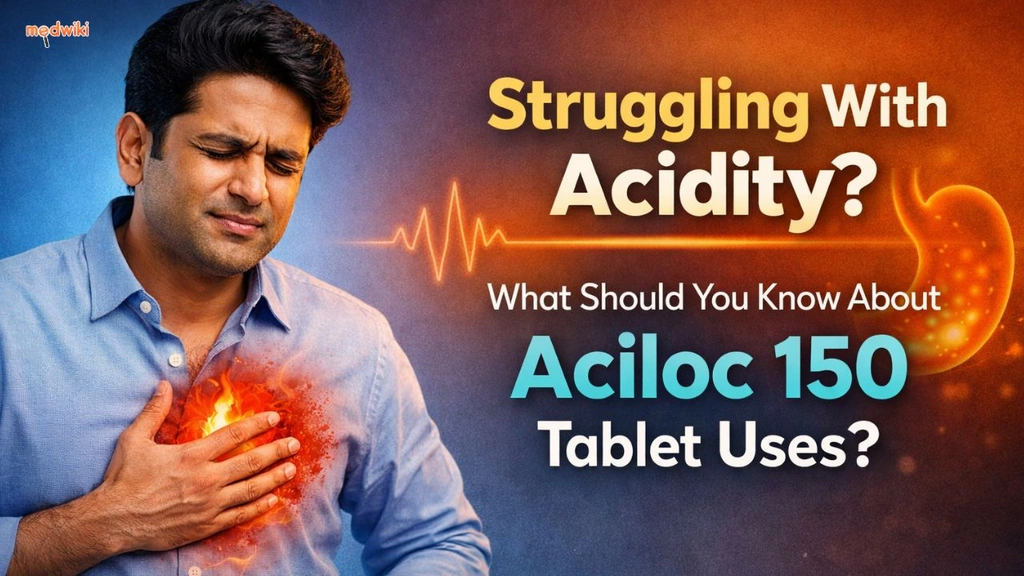
Digestive discomfort has quietly become one of the most common complaints in modern life. Long working hours, irregular meals, spicy food, stress, late night snacking, all of these can disturb the delicate balance inside the stomach. When burning sensations, sour belching, or upper abdominal discomfort appear, many people look for quick relief. One medicine frequently discussed in such situations isAciloc 150.Despite its familiarity, a surprising number of individuals use this tablet without fully understanding what it actually does. Knowing the correctuses of Aciloc is important not only for effectiveness but also for safety. Medicines that influence stomach acid must be taken thoughtfully, not casually.This article presents a clear, experience driven explanation ofAciloc 150 Tablet Uses, focusing on practical understanding rather than complicated medical language.What Exactly Is Aciloc 150?Aciloc 150 contains ranitidine, a medicine designed to reduce stomach acid production. It belongs to a group known as H2 receptor blockers. In simple terms, this means the tablet works by limiting signals that instruct the stomach to release acid.Stomach acid is not inherently harmful. In fact, it plays a crucial role in digestion. Problems arise when acid is produced in excess or flows back into areas where it causes irritation. That is where medicines like Aciloc 150 may be considered.Unlikeantacids, which neutralize existing acid for short term relief, ranitidine reduces acid formation itself. This distinction explains why doctors sometimes choose it for specific digestive conditions.Why Do People Experience Excess Acidity?Before exploring the medication, it helps to understand the problem it addresses. Increased stomach acid or acid related irritation can result from many everyday factors.Common triggers often include:• Excess tea, coffee, smoking• High stress levels, anxiety, poor sleep• Frequent consumption of spicy or oily foods• Certain medications that irritate the stomach• Irregular eating patterns, skipping meals, overeatingNot every episode of acidity requires medication. Mild symptoms may resolve with lifestyle adjustments. Persistent discomfort, however, may justify medical evaluation.Aciloc Tablet Heartburn Use: When Burning Sensations StrikeHeartburn is one of the most recognized acid related symptoms. It is typically described as a burning feeling rising from the upper abdomen toward the chest. Despite the name, it is unrelated to heart disease and instead linked to stomach acid.Doctors may consider Aciloc 150 in situations involving:• Discomfort worsened by lying down• Mild to moderate acid related irritation• Recurrent burning sensation after meals• Sour taste in the mouth, acid regurgitationThe goal of treatment is not merely comfort but also protection of the food pipe from repeated acid exposure. Consistent acid irritation can gradually lead to complications if ignored.Aciloc Tablet Acid Reflux Relief: Understanding Reflux SymptomsAcid reflux occurs when stomach acid moves upward into the esophagus. This backward flow can produce symptoms that vary from mild annoyance to persistent distress.Patients frequently describe experiences such as:• Discomfort after heavy meals• Chronic throat irritation, cough• Burning sensation in chest or throat• Feeling of food coming back upwardMedicines like Aciloc 150 reduce acid levels, which may decrease the intensity of reflux related irritation. However, medication alone is rarely sufficient. Dietary habits, meal timing, and posture also play important roles.Aciloc Tablet Ulcer Treatment: Supporting Healing of the Stomach LiningStomach ulcers involve damage to the protective lining of the stomach or upper intestine. Excess acid can worsen irritation and delay healing.Doctors sometimes prescribe acid reducing medicines in ulcer management to:• Promote natural healing mechanisms• Reduce acid exposure at the injury site• Lower discomfort associated with ulcersIt is important to understand that ulcer treatment often requires a broader approach. Infections, particularly those caused by Helicobacter pylori, may need additional medications. Aciloc 150 may serve as one part of the treatment plan rather than a standalone cure.The Real Benefits of Aciloc 150 TabletMedicines should not be viewed simply as symptom suppressors. Their true value lies in how they support physiological balance and protect tissues.When prescribed appropriately, potential advantages may include:• Improved comfort after meals• Relief from acid related burning discomfort• Better sleep when night time acidity is present• Reduction of excessive stomach acid production• Support for healing in certain acid driven conditionsThesebenefits of Aciloc 150 tablets depend heavily on correct diagnosis. Using acid suppressing medicines unnecessarily may mask underlying problems without solving them.How Quickly Does Aciloc 150 Work?Patients often wonder about the onset of relief. The effect varies based on symptom type, severity, and individual response.Some individuals may notice improvement within hours, while others experience gradual relief over days. Consistency, correct dosing, and lifestyle adjustments influence results significantly.Important Considerations Before Taking Aciloc 150Though commonly used, Aciloc 150 is not a casual remedy. Acid reducing medicines interact with the body’s digestive system and therefore require careful usage.Important factors to keep in mind include:• Following medical advice regarding duration• Avoiding self diagnosis for persistent symptoms• Recognizing that long term discomfort needs evaluationSymptoms resembling acidity can sometimes signal different conditions. Professional assessment prevents misinterpretation.Possible Side Effects and TolerabilityMost people tolerate acid reducing medicines well when used correctly. Side effects, if present, are usually mild.Occasional reactions may include:• Temporary discomfort• Headache, mild dizziness• Digestive changes, nauseaSevere reactions are uncommon but possible. Any unusual or persistent symptoms should prompt medical consultation.Lifestyle Habits That Enhance Treatment OutcomesMedication effectiveness often improves when combined with simple behavioral changes. Addressing triggers reduces dependence on repeated tablet use.Helpful habits frequently include:•Reducing caffeine intake• Eating meals at regular intervals• Avoiding large meals before sleep• Limiting excessively spicy or oily foods• Managing stress through rest, relaxationThese measures support long term digestive stability.Responsible Use Versus Habitual DependenceA common mistake involves treating acidity as a permanent condition requiring endless medication. While some individuals do have chronic acid related disorders, many cases reflect modifiable lifestyle factors.Repeated, unsupervised medicine use may conceal deeper issues. Persistent acidity deserves investigation rather than indefinite suppression.Why Understanding Aciloc 150 Tablet Uses MattersAwareness transforms medicine usage from guesswork into informed decision making. Knowing when the tablet is helpful and when medical review is necessary protects both immediate comfort and long term health.Acid related symptoms are common, but their causes vary widely. Proper understanding ensures rational treatment choices.ConclusionAciloc 150 plays a meaningful role in managing specific acid related digestive conditions when guided by medical advice. Its primary function is reducing stomach acid production, which can ease heartburn, reflux discomfort, and support certain ulcer treatments.However, no medicine substitutes for diagnosis, dietary awareness, and healthy habits. Digestive comfort results from a combination of correct treatment, mindful eating, and attention to body signals. Used responsibly, Aciloc 150 can be a helpful ally rather than a routinely consumed shortcut. FollowMedwikifor more!Frequently Asked Questions1. What are the most common uses of Aciloc?It is typically used for managing acid related discomfort, heartburn, reflux symptoms, and as part of certain ulcer treatment plans.2. How does Aciloc tablet heartburn help?It reduces stomach acid production, which may decrease the burning sensation associated with heartburn.3. Can Aciloc 150 provide Aciloc tablet acid reflux relief?Yes, lowering acid levels may reduce irritation caused by acid reflux, though lifestyle adjustments are also important.4. Is Aciloc 150 used for Aciloc tablet ulcer treatment?It may be included in ulcer management to reduce acid exposure and support healing, depending on medical evaluation.5. Are there any side effects with Aciloc 150?Most people tolerate it well. Mild symptoms like headache or digestive discomfort may occasionally occur.6. Can I take Aciloc 150 regularly without consulting a doctor?Frequent or long term use should be guided by medical advice to avoid masking underlying conditions.7. How quickly does Aciloc 150 work?Relief timing varies. Some individuals feel improvement within hours, others over a few days.
Shorts

Is green poop normal or a sign of something serious?

Mrs. Prerna Trivedi
Nutritionist

Tips to Beat Constipation!

Dr. Beauty Gupta
Doctor of Pharmacy
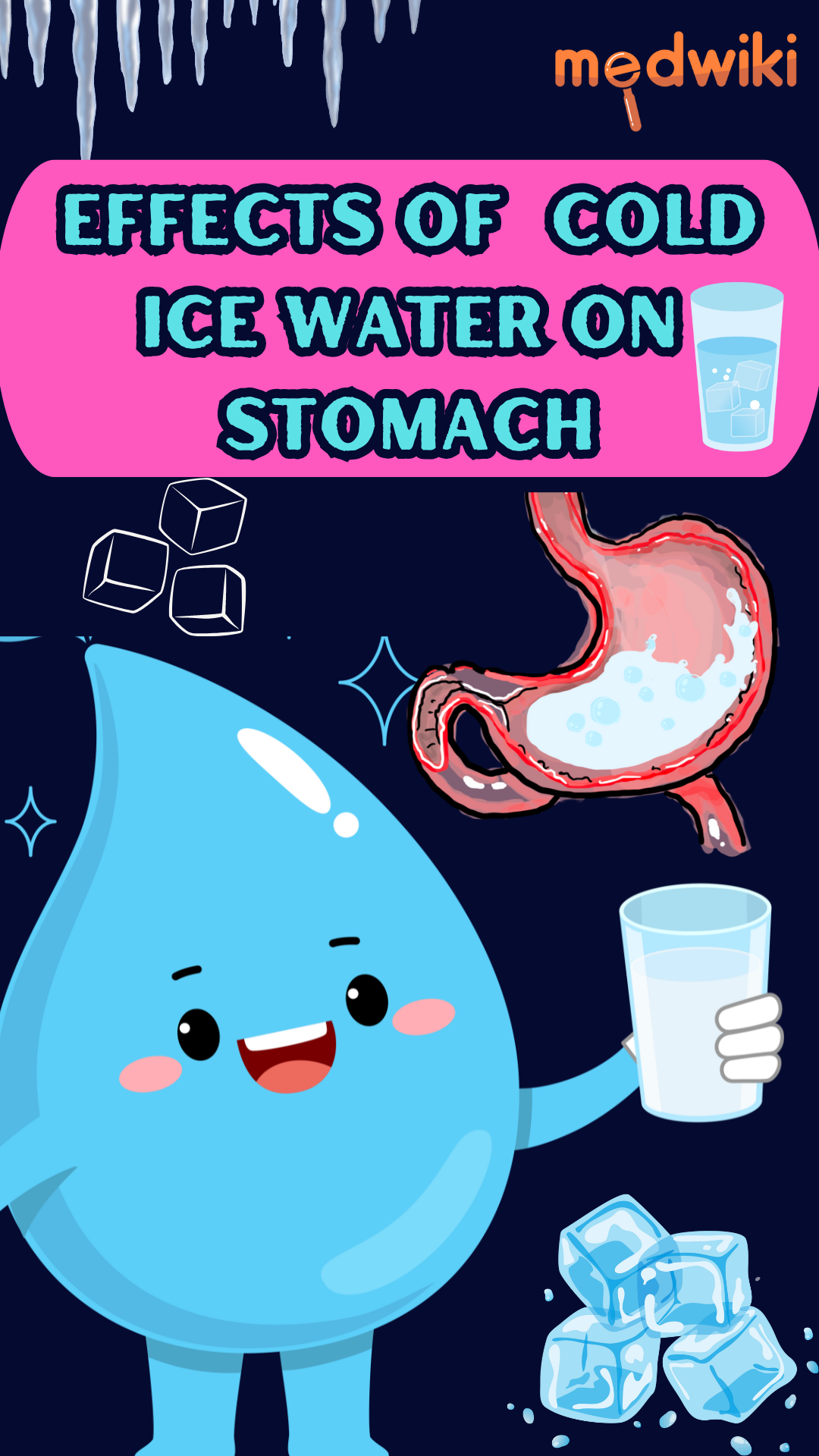
Effects of Ice Cold Water on Stomach.
Dr. Beauty Gupta
Doctor of Pharmacy
Emergency Solution for Unexpected Acid Reflux Attacks!
Dr. Beauty Gupta
Doctor of Pharmacy

Know Us
@2026 Medwiki Pvt Ltd. All Rights Reserved