

1:15
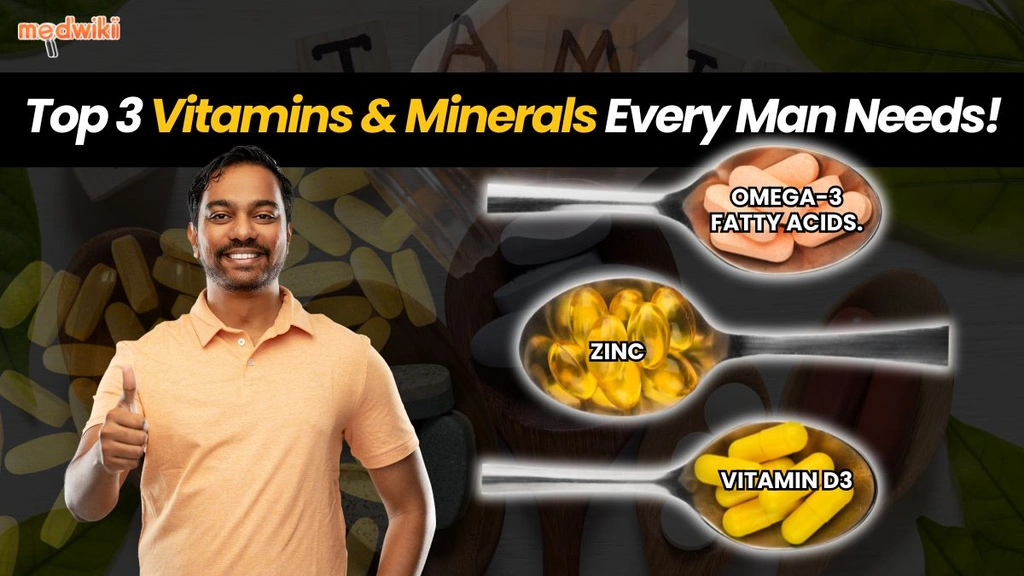
Today, we are going to talk about some important vitamins and minerals that are especially beneficial for males. Make sure to watch the video till the end.3 Essential Nutrients for Men's Health1. Omega-3 Fatty AcidsLet's start with Omega-3 Fatty Acids. Our body cannot produce these fatty acids on its own, so we have to get them from food. Now, why do males need Omega-3?Males have a higher risk of heart attacks and strokes. Omega-3 helps control blood pressure, reduces bad cholesterol (LDL), and improves blood circulation. This lowers the chances of heart attacks and strokes.Not just that, Omega-3 also helps reduce inflammation and body pain. So, make sure to include flaxseeds, walnuts, and fish in your diet.2. ZincNow, let's talk about Zinc. Zinc helps in increasing testosterone levels in males. Testosterone is a very important hormone because it helps in muscle growth, maintains energy levels, and improves fertility.As males age, the prostate gland can also enlarge, which can lead to health issues. Zinc helps in keeping this gland healthy. To get enough Zinc, add pumpkin seeds, chickpeas, and peanuts to your diet.3. Vitamin D3Lastly, let's discuss Vitamin D3. To maintain an active lifestyle and keep bones strong, Vitamin D3 is very important.If the body lacks Vitamin D3, testosterone levels can drop, which may cause low energy and muscle loss. It can also lead to problems like depression and weak immunity.To avoid this, include Vitamin D3-rich foods like mushrooms, eggs, and milk in your diet. If you are still not getting enough vitamins or minerals from food, consult a doctor and consider adding multivitamins to your routine.Source:-1. https://www.nhs.uk/conditions/vitamins-and-minerals/2. https://www.ageuk.org.uk/information-advice/health-wellbeing/healthy-eating/vitamins-for-older-people/3. https://www.nhs.uk/conditions/vitamins-and-minerals/others/4. https://www.webmd.com/healthy-aging/what-to-know-about-multivitamins-for-seniors5. https://www.webmd.com/healthy-aging/ss/slideshow-aging-vitamins-older-people

1:15
Today, we will talk about some essential vitamins and minerals that every child needs. So, let's begin!3 Essential Nutrients Every Kid Needs for Strength & Growth!CalciumFirst, let's talk about calcium. It is one of the most important minerals for children because it helps build strong bones and teeth. If kids don’t get enough calcium while growing up, their bones and muscles can become weak later.To make sure your child gets enough calcium, include calcium-rich foods in their diet. Give them milk and dairy products like yogurt and cheese. Green leafy vegetables like spinach and broccoli, as well as tofu, are also great sources of calcium. If your child does not drink milk, make sure to add these foods to their meals.IronNow, let's talk about iron. Iron helps make red blood cells, which carry oxygen throughout the body. It also plays a big role in brain development.If a child does not get enough iron, they may feel weak, get tired easily, and have trouble focusing. To prevent this, give them foods rich in iron. Green leafy vegetables like spinach and fenugreek, lentils, dry fruits like raisins and almonds, eggs, and non-vegetarian foods like fish and meat are good sources of iron.Vitamin ANext is Vitamin A. This vitamin helps improve eyesight and keeps a child's vision sharp. Today, many kids spend a lot of time on mobile phones and TV screens, which can affect their eyes. That’s why Vitamin A is even more important for them.Vitamin A also strengthens the immune system, helping kids stay healthy and fight infections. Foods rich in Vitamin A include carrots, sweet potatoes, spinach, mangoes, eggs, and dairy products like cheese and butter.These are some of the most important vitamins and minerals that every child needs.Nowadays, many children do not get enough vitamins and minerals from their diet. If your child has a deficiency, talk to a doctor and consider giving them multivitamins.Source:- 1. https://www.nhs.uk/conditions/baby/weaning-and-feeding/vitamins-for-children/2. https://www.cuh.nhs.uk/patient-information/choosing-a-multivitamin-and-mineral-supplement-for-children/3. https://www.whittington.nhs.uk/document.ashx?id=62164. https://www.webmd.com/health-insurance/features/family-vitamins5. https://www.webmd.com/parenting/vitamins-for-kids-do-healthy-kids-need-vitamins
1:15
Vitamin B plays an important role in keeping the body strong and healthy, especially for older adults.Different types of Vitamin B and how they help in maintaining good health.Vitamin B5 (Pantothenic Acid)First, let’s talk about Vitamin B5, also known as Pantothenic Acid. As people age, they often feel tired more quickly and may not have the same energy as before.Vitamin B5 helps convert food into energy, keeping older adults more active and energetic.Not only that, but it also helps in the production of melatonin, a hormone that reduces stress and promotes better sleep. This is why it’s important for older adults to include foods like green vegetables, sweet potatoes, eggs, and yogurt in their diet to get enough Vitamin B5.Still have questions about vitamins? Get trustworthy answers from verified sources on Ask Medwiki.Vitamin B6 (Pyridoxine)Next is Vitamin B6, also called Pyridoxine. As we grow older, our immune system weakens, making us more prone to infections and illnesses.Vitamin B6 strengthens the immune system, helping the body fight off infections. It also plays an important role in keeping the brain healthy, reducing the risk of diseases like Alzheimer’s.Additionally, this vitamin helps lower the levels of an amino acid called Homocysteine, which reduces the chances of heart attacks, strokes, and dementia in older adults.To get enough Vitamin B6, include foods like bananas, chickpeas, spinach, fish, and potatoes in your diet.Vitamin B7 (Biotin)Now, let’s talk about Vitamin B7, also known as Biotin. This vitamin is essential for healthy hair, skin, and nails.As people age, their hair starts turning gray, becomes weak, and may fall out easily. Skin can also become dry and rough.Biotin helps reduce these problems, making hair stronger and skin healthier.It also helps the body convert carbohydrates, fats, and proteins into energy, keeping older adults active throughout the day.To get enough Biotin, include foods like almonds, walnuts, eggs, sweet potatoes, and milk in your diet.A balanced diet is very important for keeping the body strong and healthy. If it’s difficult to get enough Vitamin B from food, consulting a doctor about multivitamin supplements can be a good option.Hope you found this information useful! Share it with your friends and family, and take good care of your health.Source:-1. https://www.nhs.uk/conditions/vitamins-and-minerals/2. https://www.ageuk.org.uk/information-advice/health-wellbeing/healthy-eating/vitamins-for-older-people/3. https://www.nhs.uk/conditions/vitamins-and-minerals/others/4. https://www.webmd.com/healthy-aging/what-to-know-about-multivitamins-for-seniors5. https://www.webmd.com/healthy-aging/ss/slideshow-aging-vitamins-older-people

1:15
Today, we will talk about some important vitamins that every woman needs to stay healthy. These vitamins help in different ways, from improving overall health to keeping the body strong and active.3 Essentials Vitamins Every Woman Should TakeFolate (Folic Acid) – One of the most important vitamins for women, especially those planning to have a baby or already pregnant. It helps in making DNA and RNA, essential for cell growth. Folate also prevents neural tube defects, which affect the baby’s brain and spine during pregnancy. But it’s not just for pregnancy; it also keeps the heart healthy, strengthens bones, and improves brain health. Foods rich in folate include spinach, green leafy vegetables, asparagus, citrus fruits, watermelon, eggs, and beans. Try to include these in your daily diet.Need more clarity about Vitamins ? Our trusted health assistant is here to help you on Ask Medwiki.Vitamin E (Tocopherol) – Great for hair growth and keeps the scalp moisturized, reducing hair fall. It also helps in balancing hormones in women, reducing mood swings and cramps before periods. You can get Vitamin E from foods like cod liver oil, hazelnuts, peanut butter, sunflower seeds, almonds, and wheat germ. Adding these foods to your diet can improve both hair and overall health.Vitamin C (Ascorbic Acid) – Essential for skin health. It helps in collagen production, keeping skin firm and youthful. It also protects against pollution and sun damage. If you have dark spots, sunburn, or dull skin, Vitamin C can help brighten and improve your skin. Additionally, it helps the body absorb iron, preventing anemia. You can find Vitamin C in foods like broccoli, grapes, kiwi, oranges, bell peppers, potatoes, strawberries, and tomatoes. Eating these foods regularly can keep your skin glowing and your body strong.Even if you eat healthy foods, sometimes the body may still lack some vitamins or minerals. In such cases, you can take multivitamins, but only after consulting a doctor.Source:- 1. https://pmc.ncbi.nlm.nih.gov/articles/PMC3061267/2. https://ods.od.nih.gov/HealthInformation/nutrientrecommendations.aspx3. https://www.ncbi.nlm.nih.gov/sites/books/NBK597352/4. https://www.webmd.com/women/essential-vitamins-for-women-at-every-age5. https://health.clevelandclinic.org/which-vitamins-should-you-take
1:15
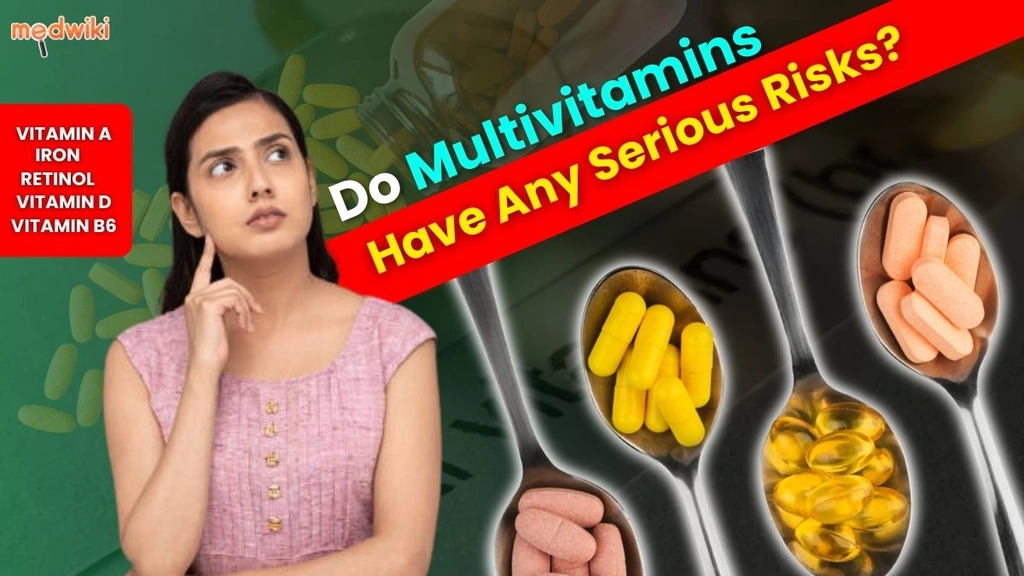
Multivitamins can be good for many people, but sometimes they can cause harm. If you start taking them without thinking, they might have the opposite effect on your health.Some of the risks of multivitamins 1.Too much Vitamin A can increase the risk of cancer. This is especially true for lung cancer. If you smoke or used to smoke, avoid taking any multivitamins with high levels of Beta-Carotene or Vitamin A. These vitamins can increase oxidative stress in your body, which can make cancer cells grow faster. 2. iron can harm your organs. Your body needs iron, but too much of it can create free radicals that damage your liver and heart. Men and women who have gone through menopause don't need extra iron. So, if you decide to take a multivitamin, choose one that has little or no iron. 3. Retinol, a form of Vitamin A, can damage your liver and bones if you take too much of it. Many multivitamins contain Retinol Acetate or Retinol Palmitate. If you take too much, it can reduce your bone density and cause fat to build up in your liver. So, always check how much Retinol is in a multivitamin before taking it. 4. Vitamin D is important for bones and immunity, but taking too much can increase calcium absorption, leading to kidney stones. So, it’s safe to take up to 1,000 IU of Vitamin D a day. 5. Taking too much Vitamin B6 can damage your nerves. High doses of Vitamin B6 can cause numbness, tingling, pain, and nerve damage. So, before you take Vitamin B6 supplements, make sure to check the amount.Source:- 1. https://ods.od.nih.gov/factsheets/MVMS-Consumer/2. https://pmc.ncbi.nlm.nih.gov/articles/PMC5852824/3. https://ods.od.nih.gov/factsheets/list-VitaminsMinerals/4. https://www.webmd.com/diet/health-benefits-of-multivitamins5. https://www.webmd.com/diet/how-to-choose-a-multivitamin

1:15
Today, let's talk about multivitamins – what they are, who should take them, and whether they are actually good for your health or not!What Exactly Are Multivitamins?You might have wondered – what is a multivitamin?A multivitamin is a type of supplement that contains a mix of essential vitamins and minerals in one pill, capsule, or gummy. If you are unable to get all the necessary nutrients from your daily diet, multivitamins can help maintain your health.Unsure about something you read about Multivitamins ? Ask your health question on Ask Medwiki – a trusted source for reliable information.Types of MultivitaminsEveryone’s body has different needs, which is why multivitamins come in different types:For Women – Vitamin D, Iron, and Folic Acid.For Men – Vitamin B12, Vitamin K, and Vitamin C.For Older Adults – Vitamin B6, Vitamin A, and Vitamin D3.For Kids – Vitamin B1, Vitamin B2, and Vitamin E.Who Can Benefit from MultivitaminsMultivitamins are helpful for people who lack certain vitamins and minerals, such as:Vegetarians & Vegans – Since they may miss out on nutrients like Vitamin B12 and Iron.Lactose-Intolerant Individuals – Who cannot consume dairy products like milk and cheese.People with Stress or Lack of Sleep – As stress can reduce nutrient levels in the body.Smokers & Alcohol Consumers – As smoking and alcohol intake can deplete vitamins from the body.Pregnant Women & Women Planning for Pregnancy – Especially for nutrients like Folic Acid.Postmenopausal Women – Who may need extra calcium and Vitamin D for bone health.Multivitamins can also help people with certain health conditions, like anemia (iron deficiency) or weak bones (osteoporosis).Which Multivitamins Should You Take?The most important thing to remember is – never take multivitamins without consulting a doctor! Every person’s body is different, and only a doctor can guide you on the right supplements for your health.Source:- 1. https://ods.od.nih.gov/factsheets/MVMS-Consumer/2. https://pmc.ncbi.nlm.nih.gov/articles/PMC5852824/3. https://ods.od.nih.gov/factsheets/list-VitaminsMinerals/4. https://www.webmd.com/diet/health-benefits-of-multivitamins5. https://www.webmd.com/diet/how-to-choose-a-multivitamin
1:15
Let’s talk about vitamin E. You might have heard about it being an antioxidant, but there’s so much more to this essential nutrient!How vitamin E can help you feel your bestProtects Your CellsVitamin E acts as an antioxidant, which means it helps protect your cells from damage caused by free radicals. These free radicals can increase your risk of diseases, so vitamin E helps to lower that risk by protecting your cells and tissues.Supports Your Immune SystemYour immune system is responsible for fighting off illnesses, and vitamin E plays a crucial role in keeping it strong. It helps your immune cells work effectively, ensuring your body is ready to fight infections.Improves Eye HealthVitamin E also protects your eyes. Getting enough vitamin E can reduce the risk of age-related eye problems like macular degeneration and cataracts. It helps keep your eye cells healthy, which is key for good vision as you get older.Helps with Blood ClotsVitamin E can also help prevent blood clots. Blood clots can be dangerous because they can block blood flow and lead to serious problems like heart attacks. Vitamin E is a natural blood thinner, meaning it helps keep your blood flowing smoothly and reduces the risk of dangerous clots.Brightens Your SkinVitamin E is great for your skin! Whether used topically in creams or consumed through food, it helps nourish and protect your skin. It functions holistically, maintaining the health and radiance of your skin.Vitamin E is easily accessible in foods like vegetables, fruits, nuts, seeds, and fish. So, by maintaining a balanced diet, you can get the vitamin E your body needs to stay healthy.Just be careful not to consume too much through supplements, as excessive amounts can lead to toxicity. If you’re concerned, speak with a healthcare provider about your vitamin E needs!Source:- 1. https://ods.od.nih.gov/factsheets/VitaminE-Consumer/2. https://www.ncbi.nlm.nih.gov/books/NBK557737/3. https://pmc.ncbi.nlm.nih.gov/articles/PMC10374030/4. https://health.clevelandclinic.org/vitamin-e-for-skin-health5. https://health.clevelandclinic.org/vitamin-e
1:15
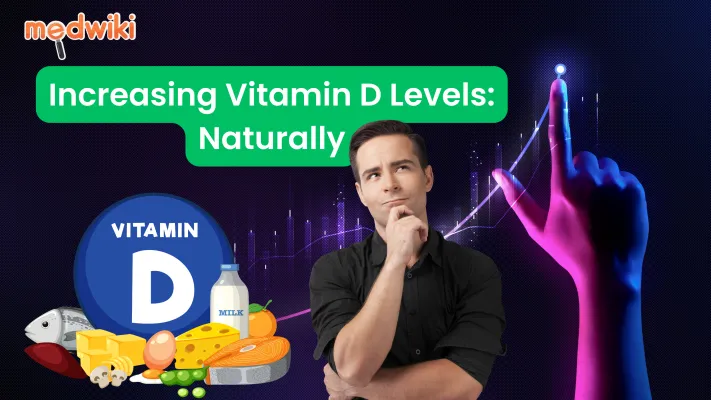
Vitamin D, whenever you talk about it, what comes to your mind? It is important for your bone health, right? But, it's way more than keeping your bones healthy.Researchers suggest that Vitamin D is essential for healthy brain, heart, reproductive system, and immune system.So, How can you increase your Vitamin D levels naturally?Here are several ways to increase vitamin D levels naturally:First, the most natural and underrated source is sunlight. Our skin contains cholesterol which makes Vitamin D when it comes in contact with UVB sunrays. So, it is essential to stay in sunlight for at least 30 to 40 minutes in the morning by 11 am.Next, is sea foods and fatty fish like tuna, salmon, shrimp, oysters and mackerel. These are the richest source of natural vitamin D.Now, you might be thinking what if you are a vegetarian?No worries, mother nature has provided the mushrooms as a vegetarian source of vitamin D.Mushrooms are rich in vitamin D as they have the ability to make vitamin D from sunlight just like we humans have.Also, you can include eggs in your diet. Eggs are so rich in vitamin D that they can provide about 10% of your daily need.Furthermore, you can consume fortified foods like milk, soy milk, yoghurt and cereals as they include added vitamin D in them.Even taking vitamin D supplements can also be helpful if you can't obtain enough vitamin D from your dietary sources. Source:-1. O'Mahony, L., Stepien, M., Gibney, M. J., Nugent, A. P., & Brennan, L. (2011). The potential role of vitamin D enhanced foods in improving vitamin D status. Nutrients, 3(12), 1023–1041. https://doi.org/10.3390/nu31210232. Dominguez, L. J., Farruggia, M., Veronese, N., & Barbagallo, M. (2021). Vitamin D Sources, Metabolism, and Deficiency: Available Compounds and Guidelines for Its Treatment. Metabolites, 11(4), 255. https://doi.org/10.3390/metabo11040255
Shorts
Vitamin A for the immune system!

Dr. Beauty Gupta
Doctor of Pharmacy

Vitamin A for acne!
Dr. Beauty Gupta
Doctor of Pharmacy
Benefits of Vitamin A for the Skin!!
Dr. Beauty Gupta
Doctor of Pharmacy
What happens due to a deficiency of Vitamin K?
Dr. Beauty Gupta
Doctor of Pharmacy

Know Us
@2026 Medwiki Pvt Ltd. All Rights Reserved