

1:15
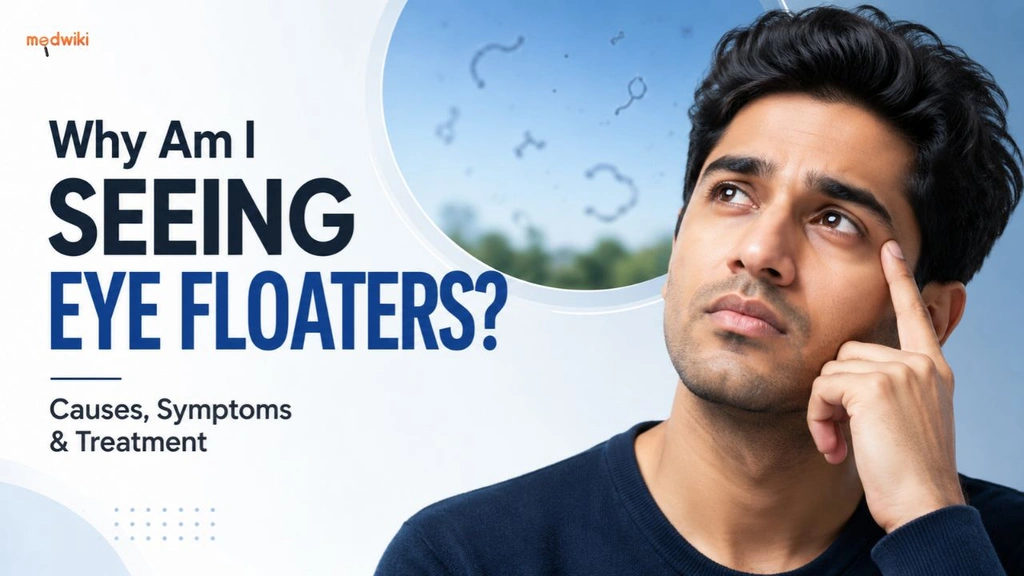
Many people notice tiny spots, threads, or cobweb-like shapes drifting across their field of vision, especially while looking at a bright sky or a white wall. These moving shadows are commonly known as eye floaters. Although they are often harmless, sudden changes in their appearance may indicate an underlying eye condition that requires prompt medical attention.Most floaters develop as a natural part of aging when the gel-like substance inside the eye begins to change. In many cases, they become less noticeable over time without affecting vision significantly. However, when floaters are accompanied by flashes of light or blurred vision, they should never be ignored.Understanding the causes, symptoms, and available treatment options helps people recognize when eye floaters are harmless and when they may signal a serious retinal problem. Regular eye examinations play an important role in protecting long-term vision.What Are Floaters in the EyeFloaters in Eye appear as tiny dots, strings, cobwebs, or shadow-like spots that drift across the visual field. They move when the eyes move and often become more noticeable against bright backgrounds.These floating shapes are usually caused by small clumps within the vitreous gel that cast shadows on the retina. While they may seem to be in front of the eye, they are actually located inside it.Most floaters are harmless and become less bothersome as the brain gradually adapts to them. However, a sudden increase in floaters should always be evaluated by an eye specialist.What Causes Eye FloatersEye floaters can develop due to several factors, with aging being the most common cause. While most floaters are harmless, some may indicate an underlying eye condition that requires prompt medical attention.Aging is the most common cause, as the vitreous gel naturally shrinks and becomes more liquid over time.Eye injuries or trauma can damage the vitreous and lead to the formation of floaters.Inflammation inside the eye may cause inflammatory cells to appear as floaters.Bleeding into the vitreous can create dark spots or floating shadows in the field of vision.Previous eye surgeries may increase the likelihood of noticing floaters during recovery.Although many eye floaters are a normal part of aging, any sudden change in their number or appearance should never be ignored. Early evaluation by an eye specialist can help detect serious retinal problems and protect your vision.What Happens in the Vitreous When Floaters DevelopVitreous Floaters develop when collagen fibers inside the vitreous humor begin to clump together. These tiny clumps cast shadows on the retina, creating moving spots within the field of vision.The vitreous normally remains clear during early life, but age-related changes gradually affect its structure. As the gel shrinks, floaters become increasingly noticeable.Most vitreous floaters do not require treatment and become less visible with time. However, regular monitoring is recommended if symptoms change suddenly.Can Posterior Vitreous Detachment (PVD) Cause Eye FloatersPosterior Vitreous Detachment (PVD) is a common age-related eye condition in which the vitreous gel separates from the retina. Although it is usually harmless, it is one of the most frequent causes of the sudden onset of eye floaters.PVD occurs when the vitreous gel naturally pulls away from the retina as part of the aging process.It is one of the most common causes of a sudden increase in eye floaters.Many people with PVD also notice brief flashes of light due to traction on the retina.Most cases do not threaten vision and do not require treatment.In some cases, PVD can lead to a retinal tear or retinal detachment if the retina is pulled too strongly.Most people recover from Posterior Vitreous Detachment without lasting vision problems. However, sudden floaters accompanied by flashes of light or a curtain-like shadow over the vision require immediate medical evaluation.How Is Retinal Detachment Linked to Eye FloatersRetinal Detachment is a serious eye condition that requires immediate medical attention. While most eye floaters are harmless, a sudden increase in floaters may sometimes be an early warning sign of retinal detachment.Retinal detachment occurs when the retina separates from the underlying tissue that nourishes it.A sudden shower of eye floaters may be one of the earliest warning signs.Bright flashes of light often occur as the retina is pulled or torn.A dark curtain or shadow moving across the vision may indicate retinal detachment.Without prompt treatment, retinal detachment can lead to permanent vision loss.Immediate emergency eye care greatly improves the chances of preserving vision.If you experience a sudden increase in eye floaters along with flashes of light or partial vision loss, seek emergency ophthalmic care.How Does a Retinal Tear Cause Eye FloatersARetinal Tear occurs when the vitreous gel pulls strongly on the retina, creating a small break in its surface. It is one of the most important causes of sudden eye floaters and can progress to retinal detachment if left untreated. Early diagnosis is essential to prevent permanent vision loss.People with a retinal tear may experience a sudden increase in eye floaters, flashes of light, or mild blurring of vision. Some individuals may also notice a shadow or curtain-like effect if the condition begins to worsen. These symptoms should never be ignored and require immediate ophthalmic evaluation.Treatment usually involves laser photocoagulation or cryotherapy to seal the retinal tear and prevent retinal detachment. Prompt treatment significantly reduces the risk of vision-threatening complications and helps preserve normal eyesight. Regular follow-up examinations ensure proper healing and monitor for any new retinal changes.Why Do Flashes and Floaters Occur TogetherFlashes and floaters often appear together due to changes in the vitreous gel and retina. While they are commonly associated with aging, their sudden onset may indicate a more serious eye condition.Flashes and floaters often occur together when the vitreous gel pulls on the retina while creating floating shadows.Flashes may appear as brief lightning streaks, sparks, or flickers of light.A sudden increase in flashes and numerous floaters may be a warning sign of a retinal tear or retinal detachment.Persistent or worsening symptoms should always be evaluated by an ophthalmologist.Early diagnosis and treatment help prevent serious vision complications.Although occasional flashes and floaters are often harmless, sudden or persistent symptoms should never be ignored. A prompt eye examination can identify the underlying cause and help protect your vision.How Are Eye Floaters TreatedThe treatment for eye floaters depends on their cause, severity, and impact on vision. While most floaters are harmless and require no treatment, some cases need medical or surgical intervention.Most harmless eye floaters do not require treatment and become less noticeable over time.Regular eye examinations help monitor floaters and detect any changes that require medical attention.Laser vitreolysis may be considered for selected patients with persistent and bothersome floaters.Vitrectomy is a surgical procedure reserved for severe floaters that significantly affect vision.Retinal tears, retinal detachment, inflammation, or bleeding require treatment of the underlying eye condition.Most people with eye floaters can manage their symptoms without medical intervention. However, anyone experiencing a sudden increase in floaters, flashes of light, or vision loss should seek immediate evaluation by an eye specialist.ConclusionEye Floaters are a common visual phenomenon that often develops as a normal part of aging. In many cases, they are harmless and gradually become less noticeable without affecting daily life.However, a sudden increase inFloaters in Eye, the appearance ofFlashes and Floaters,Blurred Vision, or a shadow across the field of vision may indicate serious conditions such asPosterior Vitreous Detachment (PVD),Retinal Tear, orRetinal Detachment. These symptoms require immediate medical evaluation.UnderstandingEye Floaters Causes, recognizing warning signs, and seeking timely eye examinations can help protect long-term vision. Regular check-ups with an ophthalmologist ensure that potentially serious eye conditions are detected and treated at the earliest stage.Frequently Asked Questions (FAQs)1. What are Eye Floaters?Eye Floaters are tiny spots or thread-like shadows that drift across your field of vision.2. What causes Eye Floaters?Eye Floaters are commonly caused by aging, vitreous changes, eye injuries, inflammation, or retinal conditions.3. Are Eye Floaters dangerous?Most Eye Floaters are harmless, but sudden floaters with flashes or vision loss require immediate medical attention.4. Can Eye Floaters go away on their own?Eye Floaters may not disappear completely but often become less noticeable over time.5. What is Posterior Vitreous Detachment (PVD)?Posterior Vitreous Detachment (PVD) is the separation of the vitreous gel from the retina due to age-related changes.6. How are Eye Floaters treated?Eye Floaters are treated by observation in most cases, while severe cases may require laser therapy or surgery.7. When should I see an eye doctor for Eye Floaters?You should see an eye doctor immediately if you notice sudden floaters, flashes of light, or a curtain-like shadow in your vision.
1:15
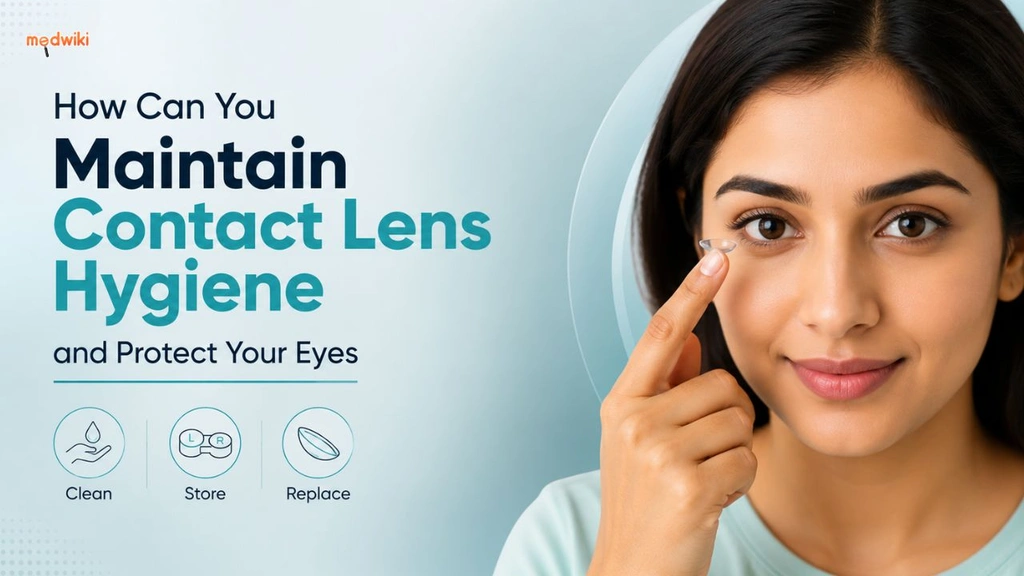
Clear vision and comfort depend greatly on maintaining proper habits while using contact lenses. Many people prefer lenses because they provide convenience and freedom from glasses, but they require regular care to avoid complications. Following the right practices helps maintain eye comfort and protects long-term vision.Contact lenses come in direct contact with the eyes, making hygiene and safety extremely important. Poor handling, improper cleaning, or incorrect storage can increase the risk of discomfort and infections. A consistent care routine allows lenses to remain safe and comfortable throughout use.Understanding proper lens maintenance, cleaning methods, using the rightContact Lens Solution, and following safety guidelines can prevent many common problems. GoodContact Lens Care includes correct usage, regular cleaning, proper disinfection with a suitable solution, and professional guidance from an optometrist when needed.Why Is Contact Lens Hygiene ImportantMaintaining proper Contact Lens Hygiene is one of the most important steps for protecting eye health. Hands should always be washed and dried before touching contact lenses to prevent bacteria and dirt from transferring onto the lens surface.Avoiding contact with unclean surfaces helps reduce the chances of contamination. Even small amounts of dust, oil, or germs can cause discomfort and increase the possibility of eye irritation when lenses are worn.Good hygiene practices also include following the recommended wearing schedule and replacing lenses as advised. Clean habits support comfortable lens use and reduce the risk of developing infections.How to Clean Contact LensesCleaning contact lenses correctly helps remove dirt, protein deposits, and harmful microorganisms that can accumulate during daily use. Following the proper cleaning routine keeps lenses comfortable, clear, and safe for your eyes.Wash and dry your hands before handling contact lenses.Use the recommended Contact Lens Solution for cleaning and disinfecting.Gently rub the lenses to remove dirt, protein deposits, and debris.Rinse the lenses thoroughly with fresh solution before storing or wearing them.Never use water, saliva, or homemade solutions to clean contact lenses.Consistent cleaning habits help extend the life of your contact lenses while reducing the risk of eye irritation and infections. Maintaining proper lens hygiene supports comfortable wear and promotes long-term eye health.How Can You Use Contact Lenses SafelyPracticing proper contact lens safety helps reduce the risk of eye irritation, infections, and vision-related complications. Following safe wearing habits ensures your lenses remain comfortable and your eyes stay healthy.Follow the recommended wearing schedule provided by your eye care professional.Avoid wearing lenses longer than advised to reduce dryness and discomfort.Do not sleep with contact lenses unless they are approved for overnight wear.Replace lenses according to the prescribed schedule to maintain eye health.Handle lenses carefully to avoid damage or contamination.Schedule regular eye examinations to monitor lens fit and eye health.Following these safety measures helps protect your eyes from preventable complications. Safe lens habits also improve comfort and support long-term vision health.How Do You Choose and Use the Right Contact Lens SolutionUsing the correct contact lens solution is essential for cleaning, disinfecting, and storing lenses safely. The right solution helps remove harmful microorganisms while keeping lenses clean and comfortable.Use only the recommended Contact Lens Solution for your lens type.Never substitute water or homemade solutions for lens care.Replace the solution every time you store your lenses.Keep the solution bottle tightly closed when not in use.Check the expiry date before using any solution.Avoid mixing different brands unless advised by your optometrist.Using a fresh, appropriate solution helps maintain lens quality and reduces the risk of eye infections. Proper solution care contributes to safe and comfortable contact lens wear.Why Are Soft Contact Lenses So PopularSoft Contact Lenses are among the most commonly used lenses because they are flexible and generally comfortable for daily wear. They allow oxygen to reach the eyes and provide clear vision for many users.These lenses require careful handling because their soft material can easily collect deposits if not cleaned properly. Regular maintenance helps preserve comfort and reduces the chance of irritation.Users should follow wearing schedules recommended by their eye care provider. Replacing soft lenses on time is important for maintaining Eye Health and preventing complications.Know about Corneal InfectionA Corneal Infection is one of the most serious complications associated with improper contact lens use. It occurs when microorganisms infect the clear outer layer of the eye known as the cornea.This condition may cause severe pain, redness, blurred vision, light sensitivity, and excessive tearing. Without timely treatment, a corneal infection can lead to permanent vision damage.Maintaining good Contact Lens Hygiene, replacing lenses on schedule, and following proper cleaning practices greatly reduce the risk of corneal infections.How Can You Prevent Contact Lens Eye InfectionsProper contact lens hygiene and safe handling practices significantly reduce the risk of eye infections. Recognizing the early warning signs and taking prompt action helps protect your vision and prevents serious complications.Wash your hands thoroughly before touching contact lenses.Clean and disinfect lenses using the recommended contact lens solution.Avoid wearing dirty, damaged, or expired lenses.Never sleep in contact lenses unless approved for overnight wear.Replace your lenses and lens case as recommended.Following proper lens care habits helps lower the risk of eye infections and keeps your eyes healthy. Seeking early medical attention for symptoms can prevent complications and protect long-term vision.How Can You Improve Eye HealthGood Eye Health depends on more than just wearing clean contact lenses. A balanced diet, adequate hydration, regular sleep, and protecting the eyes from harmful environmental factors all contribute to healthy vision.Routine eye examinations help detect vision changes and eye diseases before noticeable symptoms appear. Early diagnosis often makes treatment more effective and helps preserve eyesight.People who wear contact lenses should also give their eyes regular breaks whenever possible. Healthy daily habits combined with proper lens care support comfortable vision for years.What Are the Contact Lens Do's and Don'tsFollowing the right contact lens habits helps protect your eyes from irritation, infections, and other complications. Simple daily practices can make contact lens wear safer, more comfortable, and more effective.Do:Wash and dry your hands before handling contact lenses.Clean and disinfect lenses using the recommended solution.Replace lenses according to the prescribed schedule.Store lenses in a clean case with fresh solution.Don't:Don't share contact lenses with anyone.Don't use expired or contaminated lens solutions.Don't wear damaged or torn lenses.Don't expose lenses to tap water or saliva.Following these do's and don'ts helps keep your contact lenses clean and your eyes healthy. Consistent lens care habits reduce the risk of infections and support clear, comfortable vision.When Should You Visit an OptometristAn Optometrist Consultation is essential for selecting the right type of contact lenses and ensuring they fit correctly. Every person's eyes are different, making professional guidance extremely valuable.Regular consultations help monitor eye health, identify early signs of complications, and update lens prescriptions whenever necessary. These visits also provide an opportunity to discuss any discomfort or vision changes.Seeking professional advice instead of self-treating eye problems is always the safest approach. Regular checkups, combined with proper Contact Lens Care, help maintain healthy eyes and comfortable vision.ConclusionPracticing properContact Lens Care helps maintain clear vision and healthy eyes. Following goodContact Lens Hygiene, using the rightContact Lens Solution, and cleaning and storing lenses correctly can reduce the risk ofEye Irritation from Contact Lenses,Contact Lens Eye Infection, andCorneal Infection.Healthy habits, timely lens replacement, and regularOptometrist Consultation play an important role in protecting long-termEye Health. By making safe lens care a part of your daily routine, you can enjoy the benefits of contact lenses while minimizing complications and keeping your vision healthy for years to come.Regular awareness and consistent care are the keys to safe and successful contact lens use. Never ignore discomfort, redness, blurred vision, or persistent dryness, as these may indicate an underlying problem that requires prompt attention. By following professional recommendations and maintaining a proper lens care routine every day, you can enjoy clear vision, greater comfort, and healthier eyes with confidence.Frequently asked questions (FAQs)1. What is the best way to maintain Contact Lens Hygiene?Wash your hands before handling lenses and always clean them with freshContact Lens Solution.2. How often should Contact Lenses be cleaned?Clean your contact lenses every time you remove them unless they are daily disposable lenses.3. Can I use tap water to clean or store Contact Lenses?No, always use a recommendedContact Lens Solution instead of tap water.4. What are the signs of Eye Irritation from Contact Lenses?Redness, burning, itching, blurred vision, and excessive tearing are common signs.5. How should Contact Lenses be stored properly?Store lenses in a clean case filled with freshContact Lens Solution after every use.6. When should I consult an optometrist about my Contact Lenses?Consult an optometrist if you experience persistent discomfort, redness, pain, or blurred vision.7. How can I reduce the risk of Contact Lens Eye Infection?Maintain properContact Lens Care, replace lenses on time, and follow good hygiene practices.
1:15
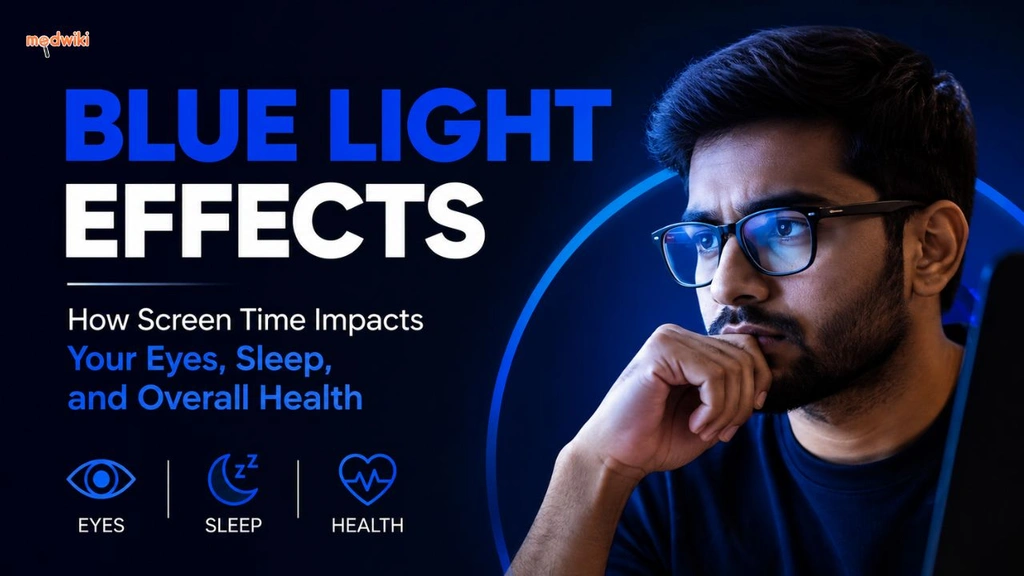
Smartphones, computers, tablets, and LED lighting have become an essential part of everyday life. While these technologies make work and communication easier, they also increase exposure toBlue Light, raising concerns about its impact on eye health and overall well-being. UnderstandingBlue Light Effects can help people make informed choices about their daily screen habits.Blue Light is naturally present in sunlight and plays an important role in regulating the body's internal clock. However, long hours of exposure toBlue Light from Screens may contribute to eye discomfort, disturbed sleep patterns, and reduced visual comfort, especially among people who spend several hours using digital devices every day.This blog explains what Blue Light is, how it affects the eyes and sleep, its connection withDigital Eye Strain, and whetherBlue Light Glasses really help. It also discusses practical ways to protect your eyes and improveScreen Time and Eye Health.Understanding Blue Light and High-Energy Visible (HEV) LightBlue Light is a type of visible light with a short wavelength and high energy. It belongs to theHigh-Energy Visible (HEV) Light spectrum, which ranges between approximately 400 and 500 nanometers. Because of its high energy, Blue Light scatters more easily than other colors of visible light.The largest natural source of Blue Light is sunlight, which helps regulate alertness, mood, and the body's biological clock. Artificial sources include smartphones, computers, televisions, LED bulbs, and tablets, all of which contribute to daily Blue Light exposure.Although Blue Light itself is not harmful in normal amounts, excessive exposure from digital devices has raised concerns aboutBlue Light Effects on eye comfort and sleep quality. Researchers continue to study its long-term impact, while experts recommend maintaining healthy screen habits to reduce unnecessary exposure.Does HEV Light Harm Your EyesHigh-Energy Visible (HEV) Light carries more energy than other colors in the visible spectrum. Because it scatters easily inside the eye, it can reduce visual contrast and make the eyes work harder to focus, particularly during prolonged digital device use.Unlike ultraviolet (UV) rays, most HEV Light reaches the retina because it is part of the visible light spectrum. While current evidence has not confirmed that everyday screen exposure permanently damages healthy eyes, prolonged exposure may increase visual discomfort and contribute to temporary symptoms.Many people experience tired eyes, blurred vision, or headaches after spending long hours using digital devices. These symptoms are usually linked to prolonged screen use rather than Blue Light alone, highlighting the importance of regular breaks and proper viewing habits.Common Blue Light EffectsSpending long hours on digital devices can affect both eye comfort and sleep quality. Although these effects are generally temporary, they may become more noticeable with excessive screen time and inadequate visual breaks.Prolonged screen use can lead to tired, dry, irritated, and uncomfortable eyes because people tend to blink less while looking at digital displays.Evening exposure to Blue Light may interfere with the body's natural sleep cycle, making it more difficult to fall asleep and achieve restful sleep.Extended periods of screen use can contribute to temporary headaches, blurred vision, and difficulty maintaining clear focus.Digital eye strain may reduce concentration and productivity, making everyday tasks feel more tiring and uncomfortable.Following healthy screen habits, including taking regular breaks, blinking frequently, and reducing screen use before bedtime, can help minimize these common Blue Light Effects and support better eye health and sleep quality.The Impact of Blue Light from Digital DevicesDigital devices such as smartphones, laptops, tablets, televisions, and LED monitors are among the most common sources ofBlue Light from Screens. Although these devices emit much less Blue Light than natural sunlight, people often use them for many hours without taking breaks, increasing daily exposure.Unlike outdoor light, screen exposure usually occurs at a close viewing distance. Reading, working, gaming, or scrolling for long periods requires continuous focus, making the eyes work harder and increasing the likelihood of visual discomfort.Modern lifestyles have significantly increased dependence on digital technology for education, work, and entertainment. As a result, understanding howBlue Light from Screens affects the eyes has become increasingly important for maintaining long-term visual comfort.How Excessive Screen Time Affects Your EyesHealthy screen habits play an important role in maintaining comfortable vision and reducing Digital Eye Strain. Simple lifestyle changes can help protect your eyes during prolonged use of digital devices.Prolonged screen use can reduce blinking, leading to dry, irritated, and uncomfortable eyes.Maintaining a proper viewing distance, correct posture, and appropriate screen brightness helps reduce eye strain.Following the20-20-20 rule and taking regular breaks relaxes the eye muscles during extended screen time.Balancing screen time with outdoor activities supports overall eye health and visual development.Regular comprehensive eye examinations help detect vision problems early and ensure healthy eyesight over time.Adopting these everyday habits can improve visual comfort, reduce the effects of prolonged screen use, and support long-term eye health.Know about Computer Vision SyndromeComputer Vision Syndrome refers to a group of eye and vision problems caused by prolonged use of digital screens. Spending hours focusing on computers, tablets, or smartphones can make the eyes work harder, leading to temporary discomfort and reduced visual performance.Common symptoms include blurred vision, dry eyes, headaches, burning sensations, and difficulty maintaining focus after long periods of screen use. These symptoms often become more noticeable when breaks are skipped or the workstation is poorly arranged.Adjusting monitor height, reducing glare, maintaining proper viewing distance, and blinking frequently can help relieve Computer Vision Syndrome. Regular comprehensive eye examinations also ensure that any underlying vision problems are detected and managed early.Do Blue Light Glasses Really WorkBlue Light Glasses have become a popular option for people who spend long hours in front of digital screens. While they may improve visual comfort for some users, they work best when combined with healthy screen habits.Blue Light Glasses use specially designed lenses to filter or reduce a portion of Blue Light emitted by digital devices.They are commonly used by people who work, study, or spend extended periods using computers, smartphones, and tablets.Some users experience reduced glare and improved visual comfort during prolonged screen use, although results vary between individuals.Current research suggests that Blue Light Glasses may not completely prevent Digital Eye Strain or eliminate all screen-related symptoms.Regular screen breaks, proper posture, appropriate display brightness, and good lighting remain essential for maintaining healthy vision.Using Blue Light Glasses alongside healthy digital habits can help support eye comfort, but they should not replace regular eye care practices or comprehensive eye examination.How Blue Light Affects the Circadian RhythmTheCircadian Rhythm is the body's natural 24-hour internal clock that regulates sleep and wakefulness. Healthy daily habits can help keep this rhythm balanced and support better sleep.The Circadian Rhythm controls the body's sleep-wake cycle, helping regulate alertness, energy levels, and overall well-being.Natural daylight, especially morning Blue Light, helps keep the body's internal clock aligned with the day-night cycle.Excessive Blue Light exposure from digital screens in the evening may delay the body's natural preparation for sleep.Using smartphones, tablets, or computers before bedtime can make it more difficult to fall asleep and reduce sleep quality.Limiting screen use before bed, following a regular sleep schedule, and spending time outdoors during the day help maintain a healthy Circadian Rhythm.Supporting your Circadian Rhythm with healthy screen habits and consistent sleep routines can improve sleep quality, daytime alertness, and overall health.How Blue Light Affects Melatonin ProductionMelatonin is a hormone that helps regulate the body's sleep-wake cycle, and its production is influenced by light exposure. Managing nighttime screen use can help support healthy melatonin levels and improve sleep quality.Melatonin is naturally produced in the evening as light levels decrease, preparing the body for restful sleep.Blue Light from smartphones, tablets, computers, and other digital devices may temporarily reduce melatonin production when used before bedtime.Reduced melatonin levels can delay sleep onset, making it harder to fall asleep and affecting overall sleep quality.Frequent nighttime screen use may disrupt the body's natural sleep cycle if it becomes a regular habit.Limiting screen time one to two hours before bed, using warm lighting, and following a consistent bedtime routine can help support normal melatonin production.Adopting healthy evening habits can reduce the impact of nighttime Blue Light exposure, support natural melatonin production, and promote better sleep.ConclusionBlue Light is a natural part of visible light and plays an important role in regulating alertness and theCircadian Rhythm. While exposure to daylight is beneficial, excessiveBlue Light from Screens during prolonged digital device use may contribute toDigital Eye Strain,Eye Fatigue, and disrupted sleep patterns.Maintaining healthy screen habits is one of the most effective ways to reduceBlue Light Effects and improveScreen Time and Eye Health. Taking regular breaks, adjusting screen brightness, blinking frequently, and reducing screen use before bedtime can help minimize discomfort and support better visual comfort.AlthoughBlue Light Glasses may benefit some individuals, they should be combined with good digital practices rather than relied upon as the only solution. Understanding the relationship betweenMelatonin and Blue Light, recognizing the symptoms ofComputer Vision Syndrome, and managing dailyScreen Time Effects can help protect both eye health and overall well-being.Frequently Asked Questions1. Can Blue Light from screens permanently damage the eyes?Current evidence does not confirm permanent eye damage from normal screen exposure, but prolonged use can cause temporary eye discomfort.2. Does Blue Light affect sleep?Yes, evening Blue Light exposure may reduce melatonin production and delay sleep.3. What is Digital Eye Strain?Digital Eye Strain is temporary eye discomfort caused by prolonged use of digital screens.4. Are Blue Light Glasses effective?They may improve comfort for some users but should be combined with healthy screen habits.5. What is Computer Vision Syndrome?Computer Vision Syndrome is a group of vision problems associated with extended computer and digital screen use.6. How can I reduce Eye Fatigue?Take regular breaks, blink frequently, adjust screen settings, and maintain proper viewing distance.7. What are the best ways to improve Screen Time and Eye Health?Limit prolonged screen use, follow the 20-20-20 rule, and have regular comprehensive eye examinations.

1:15
Dry eyes are a common eye condition that can affect people of all ages. Spending long hours on digital screens, exposure to dry environments, aging, and certain medical conditions can reduce tear production or cause tears to evaporate too quickly. As a result, the eyes may feel irritated, tired, and uncomfortable throughout the day.Many people wonderhow to curedry eyes permanently, especially when symptoms keep returning despite using eye drops. While some cases can be managed effectively with lifestyle changes and medical treatment, finding the underlying cause is essential for long-term relief. Early diagnosis can also help prevent complications that may affect vision and eye health.UnderstandingDry Eye Disease (DED), its symptoms, causes, and available treatmentoptions can help you take the right steps toward healthier eyes. This guide explains everything you need to know, including natural remedies, medical treatments, and preventive measures for managingChronic Dry Eye.What Is Dry Eye Disease (DED)Dry Eye Disease (DED) is a condition in which the eyes do not produce enough quality tears to keep the surface properly lubricated. Tears play an important role in protecting the eyes, maintaining clear vision, and washing away dust and debris.This condition is also commonly known asDry Eye Syndrome and may develop gradually or suddenly depending on the underlying cause. Some people experience occasional dryness after prolonged screen use, while others suffer from persistent symptoms that require ongoing treatment. If left untreated, dry eye can affect daily activities such as reading, driving, or using digital devices.One of the key factors involved inDry Eye Disease (DED) isTear Film Dysfunction, where the tear film becomes unstable or evaporates too quickly. This can reduce moisture on the eye's surface, causing discomfort and increasing the risk of eye infections or damage to the cornea over time.Dry Eye Symptoms You Should Never IgnoreDry Eye Symptoms can range from mild irritation to persistent discomfort that affects everyday activities. Identifying these symptoms early can help prevent complications and support timely treatment.It includes:Burning or stinging sensationRedness in the eyesItching or irritationWatery eyesBlurred visionSensitivity to lightIf these symptoms persist for several weeks or become more severe, they may indicate Chronic Dry Eye. Early consultation with an eye specialist can help prevent vision problems and improve long-term eye health.What Are the Main Causes of Dry EyesDry Eye can develop for many reasons, and identifying the underlying cause is important for effective treatment. While aging is one of the most common factors, lifestyle habits, medical conditions, and environmental triggers can also contribute to Tear Film Dysfunction.Common Dry Eye Causes include:AgingHormonal changesProlonged screen timeReduced blinkingMeibomian Gland Dysfunction (MGD)Certain medicationsAutoimmune diseasesUnderstanding these Dry Eye Causes can help prevent symptoms from worsening and allow doctors to recommend the most appropriate treatment for long-term relief.Know the Different Types of Dry Eye for Better TreatmentDry Eye is broadly classified based on its underlying cause. Identifying the specific type helps doctors choose the most effective treatment and improve long-term eye comfort.Evaporative Dry Eye occurs when tears evaporate too quickly due to an insufficient oil layer, most commonly caused byMeibomian Gland Dysfunction (MGD). It is the most common type of Dry Eye Disease.Aqueous Deficient Dry Eye develops when the tear glands do not produce enough watery tears to keep the eyes properly lubricated, resulting in persistent dryness and irritation.Mixed Dry Eye is a combination of Evaporative Dry Eye and Aqueous Deficient Dry Eye, where both poor tear production and excessive tear evaporation contribute to symptoms.Tear Film Dysfunction occurs when the balance of the tear film's oil, water, and mucus layers is disrupted, making tears unstable and less effective at protecting the surface of the eyes.Proper diagnosis of the type of Dry Eye is essential for selecting the right treatment, reducing symptoms, and preventing long-term damage to the eye surface.Meibomian Gland Dysfunction (MGD): A Leading Cause of Dry Eye DiseaseMeibomian Gland Dysfunction (MGD) is one of the leading causes ofEvaporative Dry Eye. The meibomian glands, located along the edges of the eyelids, produce an oily substance that prevents tears from evaporating too quickly.Several factors can contribute toMeibomian Gland Dysfunction (MGD), including aging, chronic eyelid inflammation, rosacea, poor eyelid hygiene, and prolonged screen time. Reduced blinking while using digital devices can also prevent the oil from spreading evenly across the eye surface, making dryness worse over time.Treatment for MGD often includes warm compresses, gentle eyelid massage, proper eyelid cleansing, and in some cases, prescription medications or in-office procedures. AddressingMeibomian Gland DysfunctionCan Dry Eyes Be Cured Permanently? Here's What You Need to KnowWhile many people search for ways to cure Dry Eyes permanently, the right approach depends on the underlying cause. Temporary Dry Eye may improve completely, whereas Chronic Dry Eye often requires long-term management to keep symptoms under control.TreatMeibomian Gland Dysfunction (MGD) if blocked oil glands are contributing to tear evaporation.ManageTear Film Dysfunction to restore a stable and healthy tear film.Use prescribed lubricating eye drops such asCarboxymethylcellulose Eye Drops, which help restore moisture, reduce dryness, and provide relief from irritation as recommended by your eye specialist.Follow a consistent eye care routine with regular eyelid hygiene and warm compresses.Reduce prolonged screen time, take regular breaks, and remember to blink frequently.Although a permanent cure is not always possible, addressing the root cause and following the appropriate treatment plan can provide long-term relief and help maintain healthy, comfortable vision.Artificial Tears and Advanced Treatments for Dry Eye DiseaseArtificial Tears help treat mild to moderate Dry Eye by keeping the eyes lubricated, reducing irritation, and improving comfort. Preservative-free options are often recommended for frequent use.If symptoms continue, doctors may suggest prescription eye drops, punctal plugs, IPL therapy, or treatments forMeibomian Gland Dysfunction (MGD) depending on the cause and severity.Regular eye check-ups help monitorChronic Dry Eye, adjust treatment plans, and provide effective long-term management while protecting overall eye health.Understanding Tear Film Dysfunction and Its Impact on Dry EyesTear Film Dysfunction occurs when the balance of the tear film’s oil, water, and mucus layers is disrupted, making tears unstable. This reduces their ability to keep the eyes moist and protected, leading to Dry Eye Symptoms.The tear film is essential for clear vision and eye comfort. When any layer does not work properly, it can cause dryness, irritation, burning, blurred vision, and a gritty sensation in the eyes.Treatment focuses on improving tear stability and managing the underlying cause. Options may includeArtificial Tears, prescription eye drops, warm compresses, eyelid hygiene, and treatments forMeibomian Gland Dysfunction (MGD).Healthy Eye Care Habits to Prevent Chronic Dry EyeAlthough not every case of Chronic Dry Eye can be prevented, healthy eye care habits can help reduce the risk and support better tear production.Stay properly hydratedEat a balanced diet rich in eye-supporting nutrientsTake regular breaks from digital screensBlink frequently during prolonged screen useKeep screens slightly below eye levelAvoid exposure to smoke, wind, and dry airEarly prevention and timely treatment can help manage Dry Eye Disease (DED), protect vision, and improve overall eye comfort.ConclusionDry eyes may seem like a minor inconvenience at first, but persistent symptoms can significantly affect daily life and long-term eye health. UnderstandingDry Eye Disease (DED), recognizingDry Eye Symptoms, and identifying the underlying causes are the first steps toward effective management. Early diagnosis also helps prevent complications that may affect vision.If you are wonderinghow to cure dry eyes permanently, the key is to treat the root cause rather than only the symptoms. Whether the problem isEvaporative Dry Eye, Meibomian Gland Dysfunction (MGD), Tear Film Dysfunction, oreye flu irritation, a combination of medical treatment, healthy lifestyle habits, and regular eye care can provide lasting relief and improve tear quality.Natural remedies,Artificial Tears, and professional treatment all play an important role in managingChronic Dry Eye. By following your eye specialist's recommendations and practicing good eye care habits every day, you can reduce discomfort, protect your vision, and enjoy healthier, more comfortable eyes for years to come.FAQs1. What is Dry Eye Disease (DED)?Dry Eye Disease (DED) occurs when the eyes do not produce enough tears or tears evaporate too quickly.2. What are the common Dry Eye Symptoms?Dry Eye Symptoms include dryness, burning, redness, itching, blurred vision, and eye irritation.3. How to cure dry eyes permanently?Dry eyes can be managed long-term by treating the cause, following eye care habits, and using proper treatments.4. Can dry eyes be cured permanently naturally?Natural methods can reduce symptoms but may not completely cure all cases of dry eyes.5. What causes Dry Eye Syndrome?Dry Eye Syndrome can be caused by aging, screen use, medications, dehydration, and tear film problems.6. How do Artificial Tears help with dry eyes?Artificial Tears provide moisture and temporary relief from dryness and irritation.7. What is Meibomian Gland Dysfunction (MGD)?Meibomian Gland Dysfunction (MGD) occurs when eyelid glands fail to produce enough oil for healthy tears.
1:15
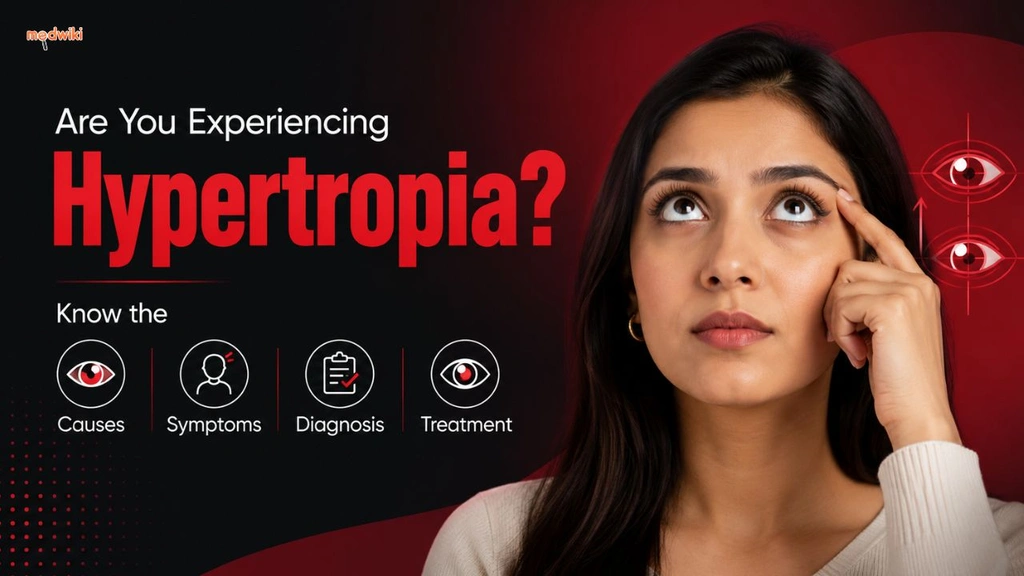
Many people notice that one eye appears higher than the other or experience persistent vision problems without realizing they may haveHypertropia. This eye condition can affect both children and adults, making everyday activities like reading, driving, or focusing on objects more challenging. Early diagnosis plays a key role in preventing long-term vision complications.As a form ofVertical Strabismus, Hypertropia occurs when one eye is positioned higher than the other because the eye muscles fail to work together properly. The condition may develop gradually or suddenly due to anEye Muscle Imbalance, nerve-related disorders, or injury. In some cases, it is present from birth, while others develop it later in life.Understanding the causes,Hypertropia Symptoms, available treatment options, and preventive measures can help protect vision and improve quality of life. With timely medical care, includingPrism Glasses for Hypertropia, vision therapy, orEye Muscle Surgery, many people can successfully manage this condition and reduce complications such asDouble Vision (Diplopia).Know about HypertropiaHypertropia is a type ofStrabismus in which one eye consistently points upward while the other remains properly aligned. Because both eyes are not looking at the same object, the brain receives two different images, leading to blurred or double vision in many patients.This condition is classified asVertical Strabismus because the eye deviation occurs vertically instead of horizontally. The severity may vary from mild to severe, and the misalignment can remain constant or become more noticeable when a person is tired, stressed, or focusing on distant objects.The underlying problem is usually anEye Muscle Imbalance or weakness in the muscles responsible for controlling eye movement. Although Hypertropia can affect people of any age,Pediatric Hypertropia is commonly diagnosed during childhood, while adults may develop it due to injury, nerve damage, or other medical conditions.Symptoms That May Indicate HypertropiaThe symptoms ofHypertropia can differ depending on the degree of eye misalignment and the underlying cause. Some people experience only mild discomfort, while others notice significant changes in their vision that interfere with daily activities.Double Vision (Diplopia) occurs when both eyes are not properly aligned, causing objects to appear duplicated.Blurred vision may develop because the eyes are unable to work together effectively.Eye strain and frequent headaches can result from the extra effort required to maintain clear vision.Difficulty focusing for long periods may affect reading, screen use, and other daily tasks.Visible Eye Misalignment is a common sign, with one eye appearing higher than the other.Early recognition of theseHypertropia Symptoms and regular eye examinations can help ensure timely diagnosis, appropriate treatment, and better long-term vision outcomes.What Can Cause HypertropiaHypertropia develops when the muscles that control eye movement fail to work together properly, causing one eye to sit higher than the other. Identifying the underlying cause is essential for selecting the most effective treatmentEye Muscle Imbalance prevents both eyes from moving together and focusing on the same object.Congenital Strabismus may be present from birth due to abnormal development of the eye muscles or the nerves controlling them.Head injuries or eye trauma can damage the muscles or nerves responsible for proper eye alignment.Stroke and neurological disorders may interfere with the brain's ability to control eye movements.Thyroid Eye Disease can affect the eye muscles, leading to vertical eye misalignment.Treating the underlying cause along with correcting the eye alignment can significantly improve vision, reduce symptoms, and enhance long-term eye health.How Do Eye Specialists Diagnose HypertropiaHypertropia Treatment aims to restore proper eye alignment, improve binocular vision, and reduce symptoms such asDouble Vision (Diplopia). The treatment approach depends on the severity of the condition, the patient's age, and the underlying cause.Corrective Lenses may help improve vision and reduce eye strain in mild cases of Hypertropia.Prism Glasses for Hypertropia can reduce double vision by helping the eyes focus together more effectively.Eye Exercises may be recommended for selected patients to improve eye coordination and muscle control.Treatment of Underlying Conditions such as thyroid disease or neurological disorders can improve eye alignment when these conditions are the cause.Botulinum Toxin Injections may be used to temporarily relax specific eye muscles and improve alignment.Early diagnosis and timelyHypertropia Treatment can improve vision, relieve symptoms, and reduce the risk of long-term complications, especially in children.Can Prism Glasses Help Treat HypertropiaPrism Glasses for Hypertropia are a non-surgical treatment option that helps reduce the effects ofDouble Vision (Diplopia) caused by eye misalignment. They are commonly recommended for patients with mild to moderateVertical Strabismus or for those who are not suitable candidates for surgery.Reduce Double Vision (Diplopia) by aligning the images seen by both eyes.Improve Visual Comfort during activities such as reading, driving, and computer work.Do Not Correct Eye Muscle Imbalance but help compensate for the misalignment.Suitable for Mild to Moderate Hypertropia when surgery is not immediately required.Require Regular Follow-ups to adjust the prism strength as vision changes over time.Prism glasses are often included as part of a comprehensiveHypertropia Treatment plan to improve day-to-day vision and reduce eye strain. Although they do not cure the underlying condition, they can significantly enhance quality of life for many patients.When Is Eye Muscle Surgery Needed for HypertropiaEye Muscle Surgery is recommended when non-surgical treatments do not effectively improve eye alignment or vision. The procedure repositions the eye muscles to enhance binocular vision and reduce symptoms caused byEye Misalignment. It is typically advised for moderate to severeHypertropia.Reduces Double Vision (Diplopia) and improves coordination between both eyes.Performed Under Anesthesia based on the patient's age and medical needs.May Require Additional Treatment such as prism glasses or vision therapy.Requires Regular Follow-up to monitor healing and maintain eye alignmentCorrects Eye Misalignment by tightening, loosening, or repositioning the affected eye muscles.Eye Muscle Surgery can significantly improve eye alignment and visual function in many patients. Regular follow-up and timely treatment help achieve the best long-term vision outcomes.What Parents Should Know About Pediatric HypertropiaPediatric Hypertropia is a form ofHypertropia that develops during infancy or childhood. It may be present at birth or occur later because of congenital eye muscle abnormalities, nerve disorders, or other conditions affecting eye movement.May Be Present at Birth due to congenital eye muscle or nerve abnormalities..Causes Visible Eye Misalignment with one eye appearing higher than the other.May Lead to Head Tilting or Squinting as children try to improve their vision.Requires Early Treatment with glasses, vision therapy, prism lenses, orEye Muscle Surgery, depending on severity.Timely treatment can improve eye alignment, support normal visual development, and reduce the risk of long-term vision problems. Regular eye examinations play an important role in detectingPediatric Hypertropia at an early stage.Can Hypertropia Be PreventedNot all cases ofHypertropia can be prevented, especially those caused by congenital conditions. However, regular eye care and managing underlying health problems can help reduce the risk of acquiredVertical Strabismus.Schedule Regular Eye Examinations to detect eye problems early.Manage Chronic Conditions such as diabetes, thyroid disease, and neurological disorders.Protect the Eyes from Injury during work, sports, and other activities.Seek Prompt Medical Care for suddenDouble Vision (Diplopia) or vision changes.Treat Eye Muscle Imbalance Early to prevent worsening of symptoms.Early diagnosis and timely treatment can improve eye alignment, reduce complications, and support long-term healthy vision.ConclusionHypertropia is a form ofVertical Strabismus that causes one eye to drift upward due to anEye Muscle Imbalance, leading to symptoms such asEye Misalignment,Double Vision (Diplopia), and reduced depth perception. Although the condition can affect both children and adults, early diagnosis greatly improves treatment outcomes.ModernHypertropia Treatment options, includingPrism Glasses for Hypertropia, vision therapy, andEye Muscle Surgery, can effectively improve eye alignment and visual function. The choice of treatment depends on the severity of the condition and its underlying cause.Routine eye examinations, prompt medical evaluation, and timely management are essential for protecting long-term vision. Whether the condition occurs in adults or asPediatric Hypertropia, receiving appropriate care at the right time can help restore comfortable vision and improve overall quality of life.Frequently Asked Questions1. What is Hypertropia?Hypertropia is a type of vertical strabismus in which one eye sits higher than the other due to eye muscle imbalance.2. What causes Hypertropia?Hypertropia may result from eye muscle imbalance, nerve damage, congenital conditions, trauma, or neurological disorders.3. What are the symptoms of Hypertropia?Common symptoms include eye misalignment, double vision (diplopia), headaches, eye strain, and head tilting.4. Can Hypertropia be treated without surgery?Yes, mild cases may improve with prism glasses, vision therapy, corrective lenses, or treatment of the underlying condition.5. When is Eye Muscle Surgery needed?Eye Muscle Surgery is recommended when significant eye misalignment persists despite non-surgical treatment.6. Are Prism Glasses for Hypertropia effective?Yes, prism glasses help reduce double vision by aligning images seen by both eyes.7. Can children develop Hypertropia?Yes, Pediatric Hypertropia can occur from birth or during childhood and should be treated early.
1:15
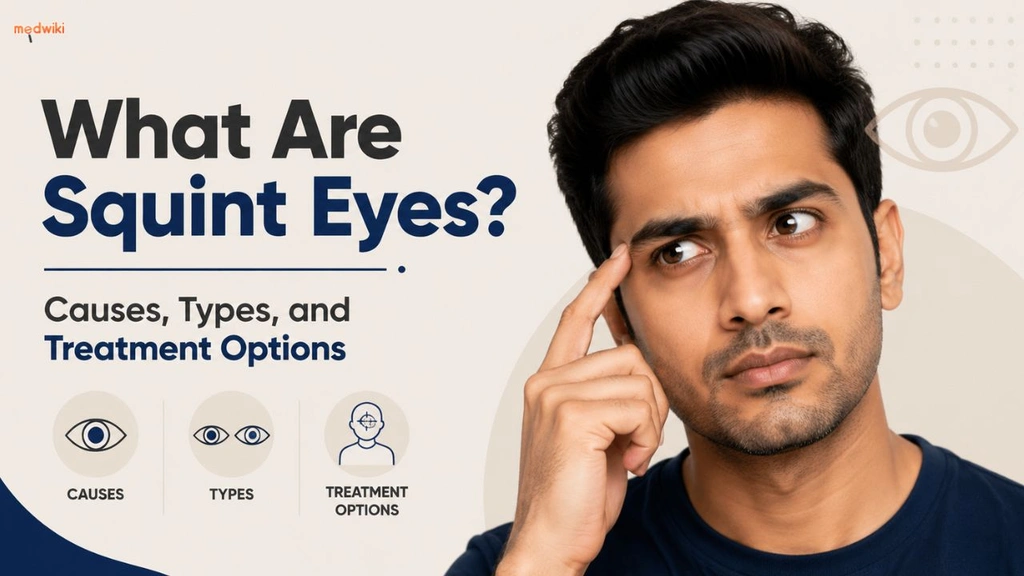
Squint eyes are a common eye condition in which both eyes do not look in the same direction at the same time. One eye may look straight ahead while the other turns inward, outward, upward, or downward. This condition can affect people of all ages, but it is more commonly seen in children. Early diagnosis and treatment are important to prevent vision problems and improve eye coordination.Many people wonderwhat a squinted eye is and whether it can be treated successfully. The good news is that modern eye care offers several treatment options, including glasses, vision therapy, and surgery. Understanding thesquint meaning helps people recognize the condition early and seek the right medical advice.Some people also search for thesquint meaning in hindi, which is commonly understood as "भेंगापन." Knowing more about this condition can help reduce myths and encourage timely treatment for better eye health.Understanding the ConditionAsquint eye develops when the muscles that control eye movement do not work together properly. As a result, oneeye focuses on an object while the other points in a different direction. This affects binocular vision and depth perception.The condition may be present from birth or develop later in life. Some people experience a constanteye squint, while others notice it only occasionally. Regular eye examinations help identify the problem before it affects vision permanently.Understanding thesquint meaning is important because many people mistake it for a temporary habit. In reality, untreated misalignment can lead to lazy eyes and reduced vision over time. Early treatment often gives the best results.Common CausesSeveral factors can lead to asquint. Sometimes the exact cause is unknown, while in other cases it is linked to eye muscles, nerves, or underlying health conditions.The following are common causes:Family history of eye alignment problemsWeak or unbalancedeye musclesUncorrected refractive errorsNerve disorders affecting eye movementEye injuries or traumaCertain medical conditions from birthRecognizing these causes helps doctors choose the right treatment plan. A detailed eye examination is the first step toward improving vision and eye alignment.Different TypesThere are different forms ofsquint eye, and each type affects eye movement differently. Some people have an inward turn, while others experience outward, upward, or downward deviation.Knowing the type of condition helps eye specialists recommend suitable treatment. The condition may be constant or appear only during tiredness orstress.Common types include:Esotropia where the eye turns inwardExotropia where the eye turns outwardHypertropia where one eye turns upwardHypotropia where one eye turns downwardCongenital squint present at birthAcquired squint that develops laterProper diagnosis ensures the treatment matches the specific form of the condition and improves long term results.Signs and SymptomsPeople withsquint eyes may notice one eye pointing in a different direction. Some experience double vision, while others tilt their head to focus better. Children may not complain because the brain adapts to the misalignment.A visibleeye squint is often the first sign noticed by parents. Difficulty judging distances, closing one eye in bright sunlight, and frequent eye strain are also common symptoms.Regular eye checkups help detect the condition early. Prompt treatment reduces the risk of permanent vision loss and supports healthy visual development.How Doctors Diagnose ItDiagnosing asquint involves a complete eye examination. Eye specialists evaluate vision, eye movement, and alignment using simple but effective tests.Accurate diagnosis is important because the treatment depends on the underlying cause.Doctors may perform:Vision testingEye alignment assessmentCover testRefraction test for glassesRetinal examinationMuscle movement evaluationThese tests help identify whether glasses, therapy, orsquint surgery will provide the best outcome for the patient.Treatment OptionsTreatment depends on the severity of thesquint eye and the patient's age. Some people improve with glasses, while others benefit from eye exercises or surgery.Early treatment offers the highest chance of restoring proper eye alignment and preventing complications.Common treatment options include:Prescription glassesVision therapyEye patching for lazy eyePrism lensesSquint eye exercise recommended by specialistsSquint eye surgery when neededDoctors often combine different treatments to achieve the best possible results. Regular follow up appointments ensure steady improvement.Eye ExercisesMany people ask whether asquint eye exercise can correct the condition completely. Exercises are helpful for selected patients, especially those with mild alignment issues or convergence problems.They strengthen eye coordination but should always be performed under professional guidance. They are not a replacement for medical treatment in severe cases.Helpful exercises include:Pencil push upsFocus shiftingNear and far object trainingEye tracking exercisesFusion exercisesDaily visual coordination practiceConsistent practice may improve eye control and reduce symptoms. Your eye doctor can recommend the most suitable exercise routine.When Surgery Is NeededSome patients requiresquint surgery when glasses and exercises do not provide enough improvement. Surgery adjusts the eye muscles to improve alignment and appearance.Modernsquint eye surgery is generally safe and is usually performed as a day care procedure. Recovery is often quick, although complete healing may take several weeks.Benefits of surgery include:Better eye alignmentImproved appearanceEnhanced binocular visionReduced double visionGreater confidenceBetter quality of lifeYour eye specialist will explain the risks and expected results before recommending surgery. Regular follow up visits remain important after the procedure.Prevention and Long Term CareAlthough not every case ofsquint eyes can be prevented, regular eye examinations help detect problems early. Children should have routine vision screening even if they do not show symptoms.Parents who understand thesquint meaning in hindi and other educational resources are more likely to seek timely medical advice. Awareness plays a major role in protecting vision.Good long term care includes:Regular eye checkupsWearing prescribed glassesFollowing treatment plansPracticing recommended exercisesMonitoring children's visionVisiting an eye specialist when changes appearHealthy habits and early intervention greatly improve treatment success. Consistent care helps maintain better vision throughout life.ConclusionSquint eyes are a treatable condition when diagnosed early. Understandingwhat squint eyes allow families to recognize symptoms and seek professional care without delay.Whether treatment involves glasses,squint eye exercise, orsquint eye surgery, following your doctor's advice improves the chances of successful results. Every patient receives a personalized treatment plan.If you notice signs of asquint, schedule a comprehensive eye examination. Early diagnosis, proper treatment, and regular follow up can protect vision and improve overall eye health.FollowMedwikifor more!Frequently Asked Questions1. What is a squint eye?Asquint eye is a condition in which the eyes do not align properly. One eye may look straight while the other turns inward, outward, upward, or downward.2. What is the squint meaning?Thesquint meaning refers to the misalignment of the eyes, medically known as strabismus. It can affect both children and adults.3. What is squint meaning in Hindi?Thesquint meaning in hindi is "भेंगापन." It describes a condition where both eyes do not focus in the same direction.4. Can squint eye exercise cure squint?Asquint eye exercise may help improve eye coordination in selected cases, but it cannot cure every type of squint. A specialist should recommend the right exercises.5. Is squint eye surgery safe?Yes,squint eye surgery is generally considered safe when performed by an experienced eye surgeon. Your doctor will explain the benefits and possible risks.6. When is squint surgery recommended?Squint surgery is usually recommended when glasses, exercises, or other treatments do not correct the eye alignment sufficiently.7. Can adults develop eye squint?Yes, aneye squint can develop in adulthood due to nerve problems, injury, medical conditions, or muscle imbalance. Early diagnosis helps achieve better treatment outcomes.
1:15
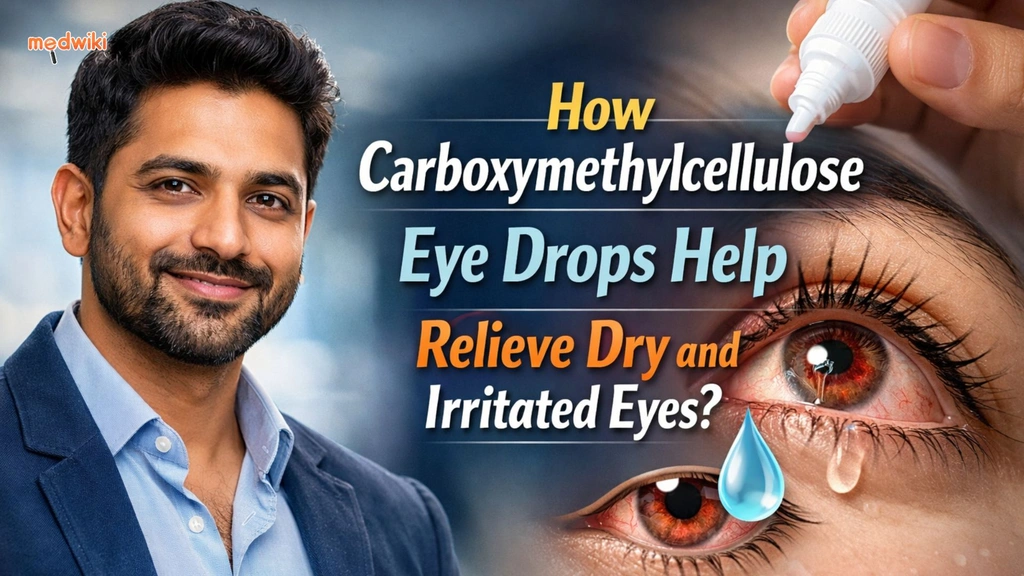
Eye discomfort has become a common concern in today’s fast paced lifestyle. Long screen hours, air conditioning, pollution, lack of sleep and excessive use of digital devices often lead to dryness, irritation and a gritty sensation in the eyes. These symptoms may seem minor initially, but if ignored, they can affect vision comfort and daily productivity. This is whereCarboxymethylcellulose Eye Dropsplay an important role.This detailed blog explains Carboxymethylcellulose Eye Drops uses, how they work, their benefits, correct usage, safety advice and frequently asked questions. The content is written in a simple, natural and human tone so it is easy to understand and practical for everyday use.Understanding Carboxymethylcellulose Eye Drops and Their PurposeCarboxymethylcellulose Eye Drops are commonly classified as artificial tears. They are designed to mimic natural tears and provide moisture to the surface of the eyes. These drops are widely recommended by eye specialists for managing dryness and irritation without affecting vision clarity.Unlike medicated eye drops that treat infections or allergies, Carboxymethylcellulose works mainly by lubricating the eyes and protecting them from further dryness.Carboxymethylcellulose Eye Drops Uses in Daily Eye CareThe main purpose of this eye drop is to relieve dryness and discomfort. Below are the most commonCarboxymethylcellulose Eye Drops uses explained clearly.Dry eye treatmentDry eye is a condition where the eyes do not produce enough tears or the tears evaporate too quickly. This leads to burning sensation, redness, blurred vision and eye fatigue.Dry eye treatment with Carboxymethylcellulose Eye Drops helps by adding moisture and forming a protective layer over the eye surface.People who work long hours on computers or mobile screens often benefit from regular use as advised by a doctor.Artificial tears for eye comfortArtificial tears are commonly used to maintain eye moisture.Artificial tears uses include relieving dryness caused by environmental factors such as wind, smoke, pollution or air conditioning.Carboxymethylcellulose acts as an effective artificial tear that keeps the eyes hydrated and comfortable throughout the day.Lubricating eye drops for irritationEye irritation can occur due to dust, smoke, prolonged reading or wearing contact lenses.Lubricating eye drops include soothing the eye surface and reducing friction during blinking.Carboxymethylcellulose Eye Drops provide smooth lubrication, helping the eyes feel refreshed and relaxed.Carboxymethylcellulose for eye irritationMild eye irritation often causes itching, foreign body sensation or watery eyes.Carboxymethylcellulose for eye irritation works by calming the eye surface and reducing dryness related irritation.It is especially useful for people who experience eye discomfort without signs of infection.How Carboxymethylcellulose Eye Drops WorkTo understand why these drops are effective, it helps to know how they work.Carboxymethylcellulose is a water retaining agent. When applied to the eyes, it spreads evenly across the eye surface and holds moisture for a longer time.This creates a protective layer that• Reduces dryness• Improves blinking comfort• Supports natural tear stability• Prevents further moisture lossBecause of this gentle mechanism, Carboxymethylcellulose Eye Drops are suitable for regular use under guidance.Benefits of Carboxymethylcellulose Eye DropsThebenefits of Carboxymethylcellulose Eye Drops go beyond basic moisture replacement.Some key advantages include• Long lasting eye lubrication• Reducedeye strain and fatigue• Improved comfort during screen use• Safe for frequent use when prescribed• Relief from dryness and burning sensationTheseCMC eye drops benefits make them a preferred choice for people with chronic dry eye symptoms.Who Can Benefit from Carboxymethylcellulose Eye DropsThese eye drops are suitable for a wide range of users including• People with dry eye symptoms• Contact lens users experiencing dryness• Individuals working long hours on screens• Elderly individuals with reduced tear production• Patients exposed to dusty or polluted environmentsHowever, medical advice is always recommended before regular use.Carboxymethylcellulose Eye Drops in Modern LifestyleModern lifestyle habits such as late night screen exposure, reduced blinking and indoor air circulation often disturb natural tear balance. In such cases,lubricating eye dropsbecomes essential for maintaining eye health.Carboxymethylcellulose Eye Drops help restore comfort and support eye wellness in everyday routines.How to Use Carboxymethylcellulose Eye Drops CorrectlyUsing eye drops correctly ensures maximum benefit and safety.General usage guidelines include• Close eyes gently after use• Avoid touching the dropper tip• Wash hands before application• Instill the prescribed number of drops• Tilt head back and gently pull lower eyelidUse the drops exactly as recommended by your doctor.Possible Side Effects of Carboxymethylcellulose Eye DropsCarboxymethylcellulose Eye Drops are generally well tolerated. However,some people may experience mild effects such as• Temporary blurred vision• Sticky sensation in rare cases• Mild eye irritation for a few secondsThese effects usually disappear quickly. If discomfort persists, consult an eye specialist.Safety Advice and PrecautionsTo ensure safe use, keep these points in mind• Avoid using expired eye drops• Do not use if the solution changes color• Inform your doctor if you have eye infections• Remove contact lenses if advised before useProper handling reduces the risk of contamination.Drug Interactions and Storage TipsCarboxymethylcellulose Eye Drops generally do not interact with oral medicines.However, if using multiple eye drops• Maintain a gap of at least 10 minutes• Use lubricating drops last unless advised otherwiseStore the bottle in a cool dry place and keep it tightly closed.Tips for Better Eye Comfort Along with Eye DropsEye drops work best when combined with healthy eye habits• Stay hydrated• Protect eyes from dust and wind• Blink consciously during screen useThese steps enhance the effectiveness ofdry eye treatment.ConclusionCarboxymethylcellulose Eye Dropsmake them a reliable and gentle solution for managing dry eyes and irritation. Their role as artificial tears and lubricating eye drops helps restore moisture, improve comfort and support eye health in daily life.When used correctly and under professional guidance, these drops can significantly reduce discomfort and improve quality of vision related comfort. Understanding their benefits, proper use and precautions ensures safe and effective eye care. FollowMedwikifor more!Frequently Asked Questions1. What are the main Carboxymethylcellulose Eye Drops uses?They are mainly used for dry eye treatment, eye irritation and eye lubrication to improve comfort.2. Can Carboxymethylcellulose Eye Drops be used daily?Yes, they can be used daily, but only as prescribed or advised by an eye doctor.3. Are these eye drops safe for long term use?They are generally considered safe for long term use when used under proper medical guidance.4. Can contact lens users use Carboxymethylcellulose Eye Drops?Some formulations are suitable for contact lens users, but it is always better to consult a doctor first.5. Do these eye drops cause blurred vision?Temporary blurred vision may occur immediately after application, but it usually clears within a short time.6. How long do Carboxymethylcellulose Eye Drops last?The moisturizing and soothing effect usually lasts for several hours, depending on eye condition.7. Can these drops treat eye infections?No, these drops do not treat eye infections and are meant only for lubrication and comfort.
1:15
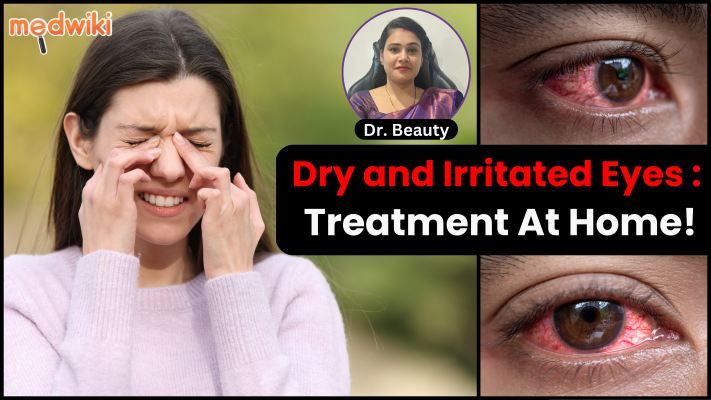
Dry eyes means your tear glands in eyes are not producing enough tears to lubricate your eyes. Lubrication of eyes is important to keep the eye healthy.Dry eyes can be caused due to clogged tear glands or external weather such as extreme heat or too cold and also dehydration.Here are a 5 home remedies to treat dry and irritated eyes:1. Try warm compression with a cloth soaked and squeezed from warm water and place it over your eyes. And slowly press the eye edges to eliminate the clogged oils from the tear glands.2. Blink more when you are working on a laptop and also try to rest your eyes for at least 5 minutes after one hour of computer or screen use. Simply close your eyes after every 1 hour of using screen.3. you can do is to clean your eyes and eyelids well with baby soap and water to remove all the dirt. It can help remove any irritation and inflammation in eyes.4. You can increase the intake of Omega 3 fatty acids which can enhance the activity of eye glands and help your eye work better.5. You can keep yourself hydrated that helps to maintain the moisture in your body including eyes. Try drinking 10-12 glasses of water each day.Source:-1. Prinz, J., Maffulli, N., Fuest, M., Walter, P., Hildebrand, F., & Migliorini, F. (2023). Honey-Related Treatment Strategies in Dry Eye Disease. Pharmaceuticals (Basel, Switzerland), 16(5), 762. https://doi.org/10.3390/ph160507622. Mittal, R., Patel, S., & Galor, A. (2021). Alternative therapies for dry eye disease. Current opinion in ophthalmology, 32(4), 348–361. https://doi.org/10.1097/ICU.0000000000000768
Shorts
Easy Solution for Burning Eyes!

DRx Ashwani Singh
Master in Pharmacy

5 best foods for eyes!

Dr. Beauty Gupta
Doctor of Pharmacy

Know Us
@2026 Medwiki Pvt Ltd. All Rights Reserved