

1:15
Fever is one of the earliest and most noticeable signals that the body gives when something is wrong. Almost everyone has experienced it at some stage of life. It may start with a feeling of warmth, followed by chills, weakness, or body aches. Despite being so common, many people are unsure about one basic thing. Exactly what temperature is consideredfever. This confusion often causes unnecessary fear in some cases and dangerous neglect in others. Understanding fever clearly is essential for making calm and informed decisions.Body temperature is not just a number. It reflects how the body is responding internally. Fever itself is not an illness. It is a response. When the immune system detects infection orinflammation, it raises the body temperature to fight harmful organisms. Knowing when normal body heat turns intofever temperature helps in deciding whether home care is enough or medical help is required, especially for children and elderly people.What Is Normal Body TemperatureTo understand fever properly, it is important to know what normal body temperature looks like. For most people, normal body temperature is around 98.6 degrees Fahrenheit or 37 degrees Celsius. However, this number is an average, not a fixed rule.Normal body temperature can vary due to several natural factors such as:• Age• Time of day• Physical activity• Emotional stress• Hormonal changes• Weather conditions• Method of temperature measurementFor example, body temperature is usually lower in the early morning and slightly higher in the evening. Exercise can temporarily increase body heat. Stress and anxiety can also cause mild temperature elevation. These changes are normal and should not be mistaken for fever.A person does not have fever just because the temperature is slightly above 98.6. Fever starts only when the body intentionally raises its temperature due to an internal trigger.Understanding Fever Temperature ClearlyThe termfever temperature refers to a body temperature that is above the normal range and is caused by illness or infection. In medical terms, fever begins when body temperature reaches:• 38 degrees Celsius• 100.4 degrees FahrenheitThis definition is accepted worldwide by healthcare professionals. Any temperature at or above this level is considered fever regardless of age. However, how dangerous it is depends on the person’s age, overall health, and associated symptoms.Fever occurs when the brain’s temperature control center resets the body’s thermostat to a higher level. This is done to slow down the growth of viruses and bacteria and to improve immune system efficiency.Fever Temperature in AdultsIn adults, fever is usually less alarming than in children, but it should never be ignored. An adult is considered to have fever when body temperature reaches or exceeds 100.4 degrees Fahrenheit.Fever in adults can be classified into the following types:• Low grade fever• Moderate fever• High feverLow grade fever usually falls between:• 100.4 to 102.2 degrees FahrenheitThis type of fever often occurs with mild infections such as common cold, flu, or minor viral illnesses. Many adults can still perform daily activities with low grade fever, but rest is strongly recommended.Moderate fever ranges from:• 102.2 to 104 degrees FahrenheitAt this stage, symptoms often become more noticeable, including:• Chills• Fatigue• Headache• Body pain• Loss of appetiteHigh fever in adults is defined as:• Any temperature above 104 degrees FahrenheitThis level offever temperature is serious and requires immediate medical attention. If left untreated, it can cause dehydration, confusion, or in rare cases organ damage.Fever Temperature in ChildrenFever in children causes more concern because children’s bodies respond differently to illness. Their immune systems are still developing, which makes them more sensitive to temperature changes.A temperature of 100.4 degrees Fahrenheit or higher is considered fever in children. However, how it is handled depends largely on the child’s age.Age based categories include:• Newborns below 3 months• Infants and toddlers• School aged childrenFor newborns:• Any fever above 100.4 degrees Fahrenheit is a medical emergencyNewborns cannot regulate body temperature well, and fever may indicate a serious infection.In infants and toddlers, fever is quite common and may be caused by:• Teething• Viral infections• Immunizations• Minor bacterial infectionsParents should observe warning signs such as:• Poor feeding• Constant crying• Breathing difficulty• Extreme drowsinessOlder children can usually tolerate fever better. Fever up to 102 degrees Fahrenheit can often be managed at home. However, fever above 104 degrees Fahrenheit at any age needs urgent medical care.Understandingfever temperature in children helps parents stay alert without panicking.Different Methods of Measuring Body TemperatureThe way body temperature is measured affects the reading. Different methods can give slightly different results.Common methods include:• Ear method• Oral method• Rectal method• Underarm methodRectal temperature is the most accurate, especially for infants. It usually reads slightly higher than oral temperature. Oral temperature is reliable for adults and older children when measured correctly. Underarm readings are less accurate and often read lower. Ear thermometers are quick but must be positioned correctly.Always consider the method used when interpretingfever temperature.Causes Behind FeverFever can occur due to many reasons, not just infection.Common causes include:• Heat exhaustion• Inflammatory diseases•Autoimmune diseases• Reaction to vaccines or medications• Viral infections such as flu orCOVID• Bacterial infections like pneumonia or urinary tract infectionIn rare cases, fever may indicate serious conditions like meningitis or blood infections. Fever that lasts long without clear cause should always be checked by a doctor.When Fever Becomes DangerousNot every fever is dangerous, but certain situations require medical attention.Seek help if:• Fever does not respond to medication• Fever lasts more than 3 days in adults• Fever lasts more than 2 days in children• Temperature rises above 104 degrees FahrenheitDanger signs include:• Seizures• Skin rash• Confusion• Neck stiffness• Breathing trouble• Severe headacheKnowing whenfever temperature becomes risky can prevent complications.Managing Fever Safely at HomeMild to moderate fever can often be managed at home with simple care.Helpful steps include:• Light clothing• Adequate rest• Plenty of fluids• Comfortable room temperatureFever reducing medicines may be used when needed, but overuse should be avoided. Aspirin should never be given to children.The aim is comfort and safety, not eliminating fever completely.Fever Myths That Need to Be CorrectedSome common myths include:• Fever is always harmful• Cold baths reduce fever safely• Higher fever always means serious illnessThese beliefs are incorrect. Fever is often helpful, and extreme cooling methods can do more harm than good.Understandingfever temperature helps clear these misconceptions.ConclusionFever is the body’s natural way of fighting illness. A temperature of 100.4 degrees Fahrenheit or higher is medically considered fever in both adults and children. Knowing this helps people react calmly and responsibly.Understandingfever temperature allows timely care, avoids panic, and ensures safety for both children and adults. Fever should be monitored, not feared. FollowMedwikifor more!FAQs1.What temperature is considered fever?A temperature of 100.4 degrees Fahrenheit or higher is considered fever.2.Is fever harmful for adults?Most adult fevers are harmless, but very high or prolonged fever needs medical attention.3.What fever temperature is dangerous for children?Any fever above 104 degrees Fahrenheit is dangerous. In newborns, even mild fever needs urgent care.4.Can a fever resolve without medicine?Yes, mild fever often resolves naturally with rest and fluids.5.Does fever always mean infection?No, fever can also result from inflammation, heat, or medications.6.Which thermometer gives the best reading?Rectal thermometers for infants and oral thermometers for adults are most accurate.7.When should medical help be taken?If fever is very high, long lasting, or comes with serious symptoms.

1:15
Recently, Bollywood actress Vidya Balan has been in the spotlight for her weight loss journey. She has also opened up about her struggles with body image and societal judgments, which took a toll on her mental health. Many people aspire to lose weight, but weight loss is not an easy journey for everyone. It takes dedication, effort, and most importantly, a clear understanding of your goals.Before starting your weight loss journey, it's crucial to know how much weight you want to lose and set realistic goals. While there is no one-size-fits-all solution, these four evidence-based tips can help you achieve your weight loss goals effectively.4 evidence based tips to help in weight loss:These 4 tips can help you achieve weight loss goals effectively. 1. Set Realistic GoalsStart with small, achievable targets, like losing 1-2 pounds per week.Set SMART goals—Specific, Measurable, Achievable, Relevant, and Time-bound.Track your progress to stay motivated and monitor your success. 2. Focus on a Balanced DietInclude nutrient-dense foods like fruits, vegetables, lean proteins, whole grains, and healthy fats in your diet.Control portion sizes and listen to your hunger cues.Avoid processed foods and sugary drinks, as they are high in calories with minimal nutrients.Stay hydrated by drinking plenty of water to help curb hunger. 3. Incorporate Regular Physical ActivityChoose physical activities that you enjoy, such as cycling, dancing, swimming, or hiking.Aim for at least 30 minutes of physical exercise daily. Incorporate strength training exercises to enhance weight loss results. 4. Manage Stress and Get Quality SleepUse stress-management techniques like meditation, yoga, and deep breathing exercises to reduce stress levels.Aim for 7-9 hours of quality sleep each night to help regulate hormones and control cravings for unhealthy foods.Weight loss may seem challenging, but with the right approach and mindset, it can be achievable. Follow these tips to make your journey easier and your lifestyle healthierSource:-1.https://pmc.ncbi.nlm.nih.gov/articles/PMC6296480/

1:15
Sleep apnea is a condition where breathing repeatedly stops and starts during sleeping. It can have significant consequences on the overall health.While some people might ignore it thinking of them as minor symptoms, if left undiagnosed or untreated, in the long-term it can be hazardous to both physical and mental health.The most immediate effects of Sleep Apnea include feeling sleepy during the daytime and being always tired. This impacts one’s concentration, decision making power and control on one’s own behavior.In children, Sleep Apnea can disrupt their night sleep patterns, making it difficult for them to concentrate, learn better, memorize things further impacting their academic scores.In older adults, being severely sleep deprived can even lead to dementia.Not just mental health, sleep apnea also severely impacts physical health. The repeated cycle of breathing interruptions can cause low oxygen levels in the body, which can further damage one’s organs and blood vessels.Health Risks Linked to Untreated Sleep Apnea:In untreated, in future this can increase one’s risk of developing a variety of health conditions, including:Heart diseases: Sleep apnea is linked to a higher risk of heart attacks, strokes, high blood pressure, and other cardiovascular problems.Respiratory problems: Asthma and chronic obstructive pulmonary disease (COPD).Metabolic disorders: Sleep apnea is associated with a higher risk of obesity, type 2 diabetes, and metabolic syndrome.Kidney disease: Chronic kidney disease can be a complication of untreated sleep apnea.Cancer: Such as pancreatic, renal, and skin cancers.If you or someone you know is experiencing the symptoms of Sleep Apnea. It is important to recognize them and seek medical attention as early as possible. Early diagnosis and treatment can help prevent the serious health complications associated with this condition.Source:- 1. https://stanfordhealthcare.org/medical-conditions/sleep/obstructive-sleep- apnea/treatments.html 2. https://pubmed.ncbi.nlm.nih.gov/31300334/

1:15
What are the most popular drinks we serve when we have some guests at home or at a party? They are tea, coffee, soda and energy drinks. Right?Did you know that caffeine is a natural psychoactive substance present in all of these popular drinks.So, Is caffeine good or bad?According to many studies, moderate intake of caffeine can have a variety of health benefits. It can lower the risk of certain cancers, several brain conditions and liver problems.Does that mean we should consume more and more coffee to keep ourselves fit?No, you all must have heard “Excess of anything is Bad”. To know the safe limits of caffeine consumption, watch our video How much caffeine is too much (link attached in the description)So, how bad is it for our health?Just like some medicines, too much caffeine can cause certain health problems. These problems can range from mild to severe, depending on the consumption of caffeine intake and sensitivity of an individualMild side effects of caffeine include:Feeling of being restlessTrouble in sleepingIncreased frequency of urinationFeeling irritated at all timesFrequent muscle twitchingFaster or irregular heartbeatUpset StomachSevere side effects of caffeine include:State of being confusedFeeling of Hallucination: Seeing or hearing things that are not thereSeizuresHeart problemsMuscle damageSo, should you stop drinking coffee from today?No, you might have heard about withdrawal symptoms. If you are regular at caffeine consumption and you will stop drinking caffeine suddenly, you might experience withdrawal symptoms. They could be headaches, feeling exhausted or tired all day, and trouble concentrating.These symptoms typically begin 12 to 24 hours after the last intake. They reach their peak in 1 to 2 days, and may last for up to 1 week.So remember, to avoid these symptoms, it's best to reduce your caffeine intake gradually instead of quitting all at once.Source:- 1. https://www.medicalnewstoday.com/articles/271707#the-effects-of-caffeine-can-vary 2. https://www.ncbi.nlm.nih.gov/books/NBK519490/

1:15
Many of us can’t imagine starting the day without a cup of coffee. The reason could be the caffeine that it supplies, a mild stimulant that quickly boosts our alertness and energy levels. If you are also a coffee and tea lover.. Then this video is for you.Caffeine, a naturally occurring stimulant found in coffee, tea, energy drinks, and certain medications, has become a staple in many people's daily routines. Caffeine consumption primarily relieves fatigue and drowsiness but its excessive consumption can lead to negative health consequences.The US Food and Drug Administration (FDA) says that intake of approximately 400 mg per day of caffeine, that is about four or five cups of brewed coffee, does not have any dangerous effects in the case of healthy adults.The US Food and Drug Administration (FDA) states that caffeine intake is beneficial in certain conditions like:Treatment of Apnea of prematurity.Treatment of Migraines and post-dural puncture headaches,Enhancing athletic performance, particularly in endurance sports.Let us discuss caffeine content in different types of coffee, which will give us a better idea of “How much caffeine is too much” in each coffee type.Brewed coffee:Brewed coffee involves brewing ground coffee beans in hot water. The mixture usually sits in the paper, metal, or plastic filter that separates the coffee grounds from the brewed liquid.1 cup (250 ml) of brewed coffee typically contains 80 to 100 mg of caffeine.Decaffeinated brewedDespite its name, decaffeinated it still contains some caffeine. For instance, 1 cup (250 ml) of decaf coffee contains about 2 mg of caffeine.Cold brewCold brew coffee is cooked without heat. To make it, the coffee grounds need to steep in water at room temperature for 8–24 hours. This is a different process than making iced coffee, which simply involves serving brewed coffee with ice.A 350 ml cup of coffee contains around 153–238 mg of caffeine.Instant coffeeInstant coffee usually contains less caffeine than freshly brewed coffee. 1 cup (250 ml) of regular instant coffee contains about 62 mg of caffeine. Making this type of coffee involves adding hot water to instant coffee powder or granules.EspressoJust 30 ml shot of espresso coffee contains approximately 63 mg of caffeine. This is made by forcing hot water or steam through very fine coffee grounds.Too much caffeine can be bad for health. Choose your coffee, keeping best of your health in mind.

1:15
What is Ghee Coffee or Bulletproof Coffee?Ghee coffee is simply brewed coffee mixed with 1-2 teaspoons of ghee (clarified butter). Some people also add a pinch of cinnamon powder for extra flavor. It's also known as "Bulletproof Coffee."But why is ghee coffee so popular?Ghee coffee has been used in India and countries like Tibet for centuries, especially in Ayurveda, which mentions the numerous health benefits of ghee. Recently, celebrities like Shilpa Shetty and Kriti Sanon have made it more popular by including it in their morning routines. The unique flavor and health benefits are what make it so trendy today.Health benefits of ghee coffee!Boosts energy levels: Ghee contains healthy fats that release energy slowly, keeping you full and energized for a longer time. This can also help with weight loss by reducing hunger.Improves digestion: Ghee has butyric acid, which helps healthy gut bacteria grow and nourishes the digestive tract, reducing bloating and improving overall digestion.Increases focus: The caffeine from coffee and the healthy fats from ghee work together to improve mental clarity, focus, and provide sustained energy.Boosts immunity: Ghee is rich in vitamins A and E, which help boost your immunity, making you less prone to infections.Promotes glowing and healthy skin: Ghee is packed with antioxidants that nourish and hydrate the skin, making it look glowing and healthy.While ghee coffee is both healthy and tasty, it's best consumed in the morning or at least 8-9 hours before bedtime.So, why not try ghee coffee and share your experience with us in the comments, including its taste and health benefits!Source:- 1. https://www.ncbi.nlm.nih.gov/pmc/articles/PMC10789628/ 2. https://www.ncbi.nlm.nih.gov/pmc/articles/PMC8181361/

1:15
Lack of sleep is a common yet frequently overlooked health problem that we hear people complaining about. At one time, sleep was considered an inactive phase in which the body and the brain rest from the day’s activities. But scientists have found that the brain goes through different patterns of activity throughout the sleep cycle and even it is sometimes more active when we are asleep.Sleep loss in adults is generally referred to sleep of shorter duration (less than 7 to 8 hours per night). Feeling sleepy during the day, depressed mood and poor memory are a few symptoms of sleep loss.We need sleep to maintain proper body functions and health. In fact we sleep each night as a means of restoring our bodies and minds.The 2 major causes of lack of sleep are:Lifestyle/ occupational like shift jobs, prolonged working hours, irregular sleep schedules, jet lags, etcSleep disorders like insomnia, sleep disordered breathing, etc.How does lack of sleep affect our health?The data proves that lack of sleep can lead to:Obesity: When a person sleeps less than 7 hours, he/ she tends to be more obese. In fact the shorter the duration of sleep the greater the obesity.Diabetes and Impaired glucose tolerance: People who sleep for 5 hours or less are more at risk of diabetes.Cardiovascular disease and hypertension: Sleep loss and sleep complaints are associated with heart attacks and stroke. The conditions responsible for this could be high blood pressure, sympathetic hyperactivity or impaired glucose tolerance.Anxiety, Depression and Alcohol use: Sleep loss is associated with adverse effects on mood and behavior. Adults with severe sleep loss report mental distress, symptoms of depression, anxiety and alcohol use.Here we have seen how important a good duration of sleep is. So, remember to sleep longer or take a short nap in between (no more than 2 hours).Source:- 1. https://www.ncbi.nlm.nih.gov/books/NBK19960/pdf/Bookshelf_NBK19960.pdf 2. https://sleep.hms.harvard.edu/education-training/public-education/sleep-and-health-education-program/sleep-health-education-47

1:15
Excessive sleepiness, often referred to as hypersomnia, is one of the major concerns significantly impacting one’s daily life. We can talk about it frequently and give advice on how to sleep better, like reading a book and not watching videos. But this might not always be that easy, this may be a symptom of some serious health conditions.Some common causes of Excessive Sleepiness DisorderThe causes of ESD can be divided into three different categories:Medical causesLifestyle factorsOther factorsLet us discuss them in detailMedical causes:i) Sleep Apnea: A condition where breathing repeatedly stops and starts during sleep. This disturbs sleep quality.ii) Narcolepsy: A neurological condition characterized by sudden sleep attacks and excessive daytime sleepiness.iii) Periodic limb movement: A neurological disorder that causes an irresistible urge to move one's legs. This interferes with sleep quality.iv) Depression: A mental health condition that leads to fatigue and difficulty sleeping well during the night, keeping one sleepy the entire day. 2. Lifestyle factors:i) Insufficient sleep: Getting less sleep than the body needs can lead to excessive daytime sleepiness.ii) Poor sleep hygiene: Irregular sleep schedules and a noisy or uncomfortable sleep environment contributes to sleep issues.iii) Medications: Certain medications, like antidepressants, antihistamines, and pain relievers cause sleepiness.iv) Substance abuse: Alcohol and drugs can disrupt sleep patterns.Other Factors of Excessive Sleepiness Disorder:Genes: Some people may have genetic reasons for sleep disorders.Shift work: Irregular working hours can disrupt the body's natural sleep and wake up cycle.If you're experiencing excessive sleepiness, it's important to consult your doctor and find out the underlying cause and ask for an appropriate diagnosis and treatment.Source:-1. https://www.ncbi.nlm.nih.gov/books/NBK19961/#:~:text=The main symptom of sleep,Dinges et al.%2C 2005) 2. https://hms.harvard.edu/news/sleepless-genes#:~:text=Insomnia affects around 10 to,risk of insomnia is inherited.
Shorts

Watermelon Benefits! Stay Hydrated and Healthy in Summer!

Mrs. Prerna Trivedi
Nutritionist

How Can Bael Fruit Keep You Cool And Healthy This Summer?

Drx. Salony Priya
MBA (Pharmaceutical Management)

Can brushing after meals cause damage?
Mrs. Prerna Trivedi
Nutritionist
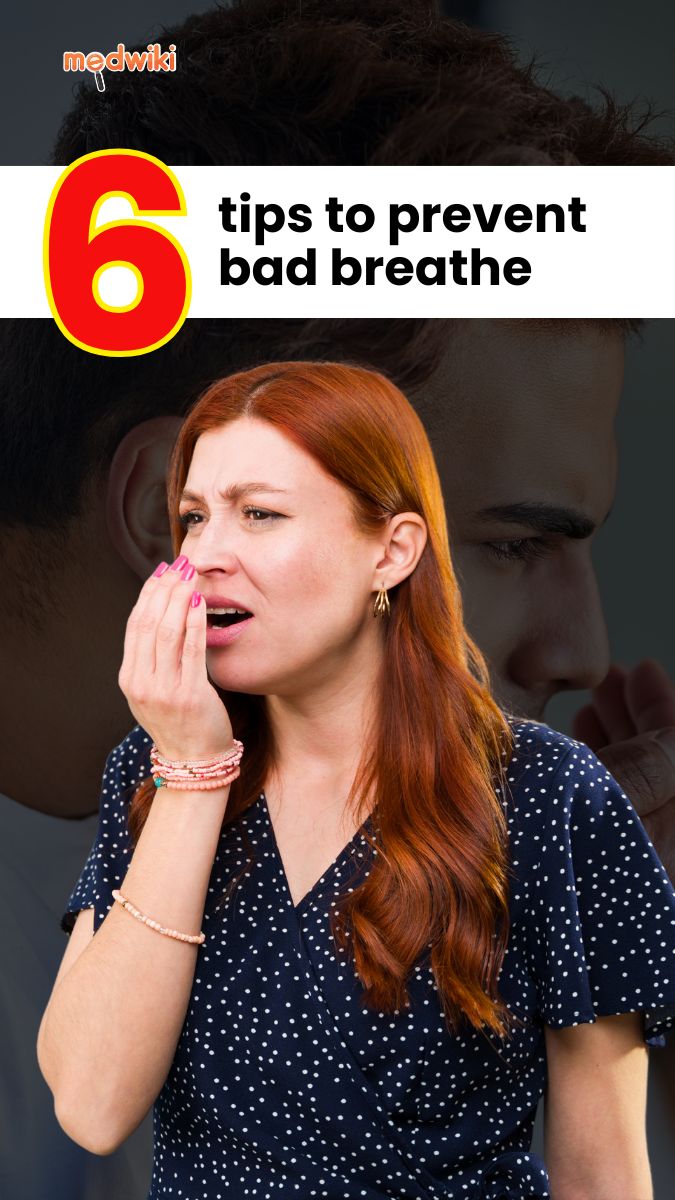
6 Simple Ways to Get Rid of Bad Breath Naturally!
Mrs. Prerna Trivedi
Nutritionist

Know Us
@2025 Medwiki Pvt Ltd. All Rights Reserved