


enteromycetin CHLORAMPHENICOL
Introduction to Enteromycetin
Enteromycetin is a potent antibiotic medication primarily used to treat a variety of bacterial infections. Containing the active ingredient Chloramphenicol, Enteromycetin is effective against a wide range of bacteria. It is available in multiple forms, including tablets, injections, and syrups, making it versatile and convenient for different treatment needs. This medication is particularly useful for treating serious infections where other antibiotics may not be effective. Enteromycetin is often prescribed for conditions such as typhoid fever, meningitis, and certain types of eye infections.
Composition of Enteromycetin
The active ingredient in Enteromycetin is Chloramphenicol, present at a concentration of 250mg. Chloramphenicol is a broad-spectrum antibiotic that works by inhibiting bacterial protein synthesis, thereby stopping the growth of bacteria. This mechanism makes it effective against a wide array of bacterial strains. Chloramphenicol is particularly valuable in treating severe infections where other antibiotics might fail. Its ability to penetrate body tissues and fluids, including the central nervous system, makes it an essential choice for treating life-threatening infections like meningitis.
Uses for Enteromycetin
- Treatment of typhoid fever
- Management of meningitis
- Treatment of serious eye infections
- Used in cases of severe respiratory infections
- Effective against specific types of skin infections
Side Effects of Enteromycetin
- Nausea and vomiting
- Diarrhea
- Bone marrow suppression
- Allergic reactions such as rash or itching
- Headache
- Blurred vision
Precautions of Enteromycetin
Before using Enteromycetin, it is crucial to inform your healthcare provider about any allergies, medical conditions, or other medications you are taking. This medication should be used with caution in individuals with liver or kidney impairments. Pregnant or breastfeeding women should consult their doctor before starting Enteromycetin. Regular monitoring of blood counts is recommended during prolonged treatment to prevent bone marrow suppression. Avoid alcohol consumption while taking this medication, as it may increase the risk of side effects.
Specifications of Enteromycetin
Enteromycetin is available in several forms to suit different medical needs:
- Tablets: 250mg Chloramphenicol per tablet, suitable for oral administration.
- Injection: Administered intravenously or intramuscularly, used for severe infections requiring immediate action.
- Syrup: A liquid form for those who may have difficulty swallowing tablets, particularly useful for children.
Conclusion
Enteromycetin, with its active ingredient Chloramphenicol, is a versatile and effective antibiotic for treating a range of serious bacterial infections. Available in tablets, injections, and syrup, it provides multiple administration options to cater to different patient needs. While effective, it is important to use Enteromycetin under the guidance of a healthcare professional to manage potential side effects and ensure the best therapeutic outcomes. Always consult your doctor for advice tailored to your specific health situation.
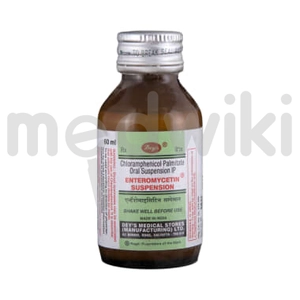






Available in 3 variations
bottle of 60 ml Oral Suspension

Enteromycetin 500mg Caplet 6s
strip of 6 caplets
Enteromycetin 250mg Capsule 10s
strip of 10 capsules
Similar Medicines
Chloramphenicol (250mg)
Chloramphenicol (250mg)
Chloramphenicol (250mg)
Chloramphenicol (250mg)
Chloramphenicol (250mg)
More medicines by Deys Medical
Domperidone (30mg) + Pantoprazole (40mg)
Neem Extract + Tulsi Extract + Turmeric Extract + Honey Extract
OTC
OTC
Chlorhexidine Gluconate (0.002% w/v)




.svg)