

tmd
Introduction to TMD
TMD is a medication primarily used for pain relief. It contains Tramadol, a well-known analgesic, as its active ingredient. Tramadol is an opioid pain medication that works in the brain to change how your body feels and responds to pain. This medication is available in various forms, including tablets, capsules, syrups, and injections, making it versatile for different patient needs. TMD is commonly prescribed for moderate to severe pain management, providing effective relief for patients suffering from conditions that cause chronic pain.
Composition of TMD
The active ingredient in TMD is Tramadol (100mg). Tramadol is a synthetic opioid analgesic that works by binding to the brain's opioid receptors, which are part of the central nervous system. This interaction helps to block pain signals sent from the body to the brain. Additionally, Tramadol inhibits the reuptake of norepinephrine and serotonin, neurotransmitters involved in the modulation of pain. This dual mechanism of action makes Tramadol effective in managing pain with a lower risk of dependency compared to other opioids.
Uses for TMD
- Relief of moderate to severe pain
- Management of chronic pain conditions
- Post-surgical pain management
- Acute injury-related pain relief
Side Effects of TMD
- Nausea and vomiting
- Dizziness or lightheadedness
- Constipation
- Drowsiness or fatigue
- Headache
- Dry mouth
Precautions for TMD
Before taking TMD, it is important to inform your healthcare provider of any medical history, especially related to brain disorders, breathing problems, liver or kidney disease, or a history of substance use disorder. Avoid consuming alcohol or using other medications that can cause drowsiness while taking TMD, as this can increase the risk of serious side effects. Pregnant or breastfeeding women should use TMD only if clearly needed and prescribed by a healthcare professional, as it may affect the baby. Do not drive or operate heavy machinery until you know how TMD affects you.
Specifications of TMD
TMD is available in several forms to accommodate different patient needs:
- Tablets: Oral tablets contain Tramadol 100mg and are typically taken with or without food, as directed by a healthcare provider.
- Capsules: These are similar to tablets in dosage and administration but may have a different release profile.
- Syrup: A liquid form of Tramadol, suitable for those who have difficulty swallowing pills.
- Injection: Used in a clinical setting for rapid pain relief, administered by a healthcare professional.
Conclusion
TMD, with its active ingredient Tramadol, provides effective relief for various types of pain. Available in multiple forms such as tablets, capsules, syrups, and injections, it offers flexibility in administration to suit individual patient needs. While TMD is effective in managing pain, it is important to use it under medical supervision to minimize the risk of side effects and ensure safe usage. Always follow your healthcare provider's instructions and report any unusual symptoms immediately.
Similar Medicines
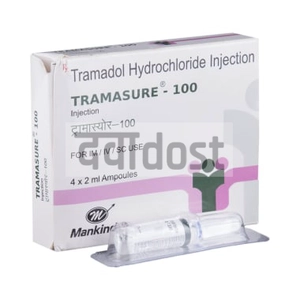
Tramadol (100mg)

Tramadol (100mg)
Tramadol (100mg)
Tramadol (100mg)
Tramadol (100mg)
More medicines by Jollen Medicare Pvt Ltd
Ofloxacin (200mg)
Drotaverine (80mg) + Mefenamic Acid (250mg)
Domperidone (10mg) + Omeprazole (20mg)
Diclofenac (50mg) + Paracetamol/Acetaminophen (500mg) + Serratiopeptidase (10mg)
Domperidone (10mg) + Pantoprazole (40mg)
Available in 2 variations

Tmd 50mg Injection
vial of 1 Injection
Tmd 100mg Injection
vial of 2 ml Injection


Disclaimer : This information is not a substitute for medical advice. Consult your healthcare provider before making any changes to your treatment . Do not ignore or delay professional medical advice based on anything you have seen or read on Medwiki.
tmd
Prescription Required
Manufacturer :
Jollen Medicare Pvt LtdComposition :
tramadol



.svg)