


Rebostride-SR Capsule RABEPRAZOLE + ITOPRIDE
Introduction
Digestive problems can quietly affect everyday life. Irregular bowel movements, persistent constipation, stomach pain and bloating, and the constant feeling of discomfort often reduce energy levels and confidence. Many people try home remedies, dietary changes, and short term medicines, yet relief does not always last. This is where Rebostride SR Capsule becomes a dependable option for individuals who need sustained and gentle digestive support.
This blog explains everything about Rebostride SR Capsule in clear and practical language. You will learn about its uses, benefits, working mechanism, correct usage, possible side effects, safety advice, precautions, substitutes, and tips for better results. The aim is to help you understand the medicine better so you can use it responsibly and with confidence.
Uses of Rebostride SR Capsule
Rebostride SR Capsule is mainly prescribed for digestive conditions where bowel movement becomes difficult or irregular. It helps restore natural rhythm and reduces discomfort associated with poor gut motility.
It is commonly used in the following conditions:
- Supportive therapy for long standing gut motility disorders
- Digestive sluggishness caused by slow intestinal movement
- Irritable bowel syndrome with constipation dominant symptoms
- Chronic constipation where bowel movements are infrequent or hard
- Constipation related discomfort such as bloating and abdominal heaviness
Doctors may also recommend Rebostride SR Capsule for patients whose constipation does not respond well to fiber supplements or mild laxatives. It works best when combined with lifestyle changes like proper hydration and balanced nutrition.
Benefits of Rebostride SR Capsule
The benefits of Rebostride SR Capsule go beyond simple relief from constipation. Its sustained release formulation ensures smoother and more predictable results, which is especially important for people dealing with long term digestive problems.
Following are the key benefits of Rebostride SR Capsule:
- Improves stool consistency over time
- Reduces lower abdominal pain and discomfort
- Suitable for long term use when prescribed by a doctor
- Helps improve overall digestive comfort and daily routine
- Supports natural gut motility rather than forcing evacuation
- Promotes regular bowel movements without sudden urgency
Many users report that after consistent use, their digestion feels more balanced. The body adapts gradually, which lowers the risk of dependency compared to harsh stimulant laxatives.
How It Works
Understanding how Rebostride SR Capsule works can help you use it more effectively. This medicine is formulated to act on intestinal movement and coordination rather than simply softening stools.
The working mechanism can be explained as follows:
- Reduces strain during bowel movements
- Helps restore natural bowel rhythm over time
- Sustained release ensures gradual and prolonged action
- Stimulates intestinal muscles gently to improve movement
- Enhances coordination between bowel muscles for smoother passage
Because of its sustained release nature, Rebostride SR Capsule maintains consistent levels of the active ingredient in the body. This avoids sudden stimulation and supports a more natural digestive process.
How to Use Rebostride SR Capsule
Correct usage plays a major role in achieving the best results with Rebostride SR Capsule. Always follow your doctor’s instructions, as dosage and duration may vary based on individual condition and response.
General guidelines for use include:
- Take the capsule whole with water
- Do not crush or chew the capsule
- Usually taken once daily or as prescribed
- Prefer taking it at the same time each day
- Can be taken with or without food unless advised otherwise
Consistency is important. Skipping doses or taking the medicine irregularly may reduce its effectiveness. Always consult your doctor before making any changes to the prescribed routine.
Side Effects
Like all medicines, Rebostride SR Capsule may cause some side effects, although not everyone experiences them. Most side effects are mild and tend to settle as the body adjusts to the medicine.
Possible side effects include:
- Mild abdominal discomfort
- Mild dizziness in rare cases
- Nausea or feeling of fullness
- Headache in some individuals
- Temporary changes in bowel habits
If side effects persist or become bothersome, it is important to inform your doctor. Serious reactions are uncommon, especially when the medicine is taken as directed.
Safety Advice
Safety should always come first when using any long term medication. Rebostride SR Capsule is generally considered safe when used under medical supervision.
Important safety advice includes:
- Use only on medical advice
- Follow recommended dosage strictly
- Avoid self medication for prolonged periods
- Share details of other medicines you are taking
- Inform your doctor about existing health conditions
Pregnant or breastfeeding women should consult a doctor before using Rebostride SR Capsule, as safety depends on individual health factors.
Precautions and Warning
Certain precautions help ensure safe and effective use of Rebostride SR Capsule. These precautions are especially important for people with underlying medical conditions.
Warnings and precautions include:
- Use carefully in elderly patients
- Avoid exceeding prescribed dose
- Caution in patients with intestinal obstruction
- Inform doctor if you have severe abdominal pain
- Not recommended without medical advice for children
If you experience severe pain, vomiting, or worsening symptoms, seek medical attention immediately.
What If You Forget to Use
Missing a dose of Rebostride SR Capsule occasionally is not uncommon. Knowing what to do in such situations can prevent unnecessary confusion.
If you forget a dose:
- Continue with the regular schedule
- Do not double the dose to compensate
- Skip it if it is almost time for the next dose
- Take the missed dose as soon as you remember
Maintaining a routine can help reduce the chances of missing doses.
All Substitutes
There are other medicines with similar therapeutic uses that doctors may consider as substitutes for Rebostride SR Capsule. The choice depends on individual response and medical history.
Common alternatives may include:
- Selective prokinetic medications
- IBS specific constipation treatments
- Other sustained release gut motility agents
- Prescription medicines for chronic constipation
Always consult your doctor before switching to any substitute. Self substitution can lead to reduced effectiveness or unwanted effects.
Tips for Better Results
To get the most benefit from Rebostride SR Capsule, it is important to support the medicine with healthy habits. Medicines work best when combined with the right lifestyle choices.
Helpful tips include:
- Maintain a regular meal schedule
- Include fiber rich foods in your diet
- Engage in light physical activity daily
- Do not ignore the urge to pass stools
- Drink adequate water throughout the day
- Avoid excessive processed and junk foods
These simple steps can significantly improve digestive health and support long term relief.
Frequently Asked Questions
1. Is Rebostride SR Capsule safe for long term use?
Yes, when taken under medical supervision, it is considered safe for long term use.
2. How long does the Rebostride SR Capsule take to show results?
Some people notice improvement within a few days, while others may take a few weeks for consistent relief.
3. Can I take Rebostride SR Capsule daily?
It is usually prescribed for daily use, but only as advised by your doctor.
4. Does Rebostride SR Capsule cause dependency?
It is designed to support natural bowel movement and has a lower risk of dependency compared to stimulant laxatives.
5. Can elderly patients use Rebostride SR Capsule?
Yes, but with caution and proper medical guidance.
6. Is Rebostride SR Capsule useful for IBS constipation?
Doctors often prescribe it for IBS with constipation dominant symptoms, depending on individual condition.
7. Can I stop taking Rebostride SR Capsule once symptoms improve?
Do not stop suddenly without consulting your doctor, as gradual adjustment may be needed.


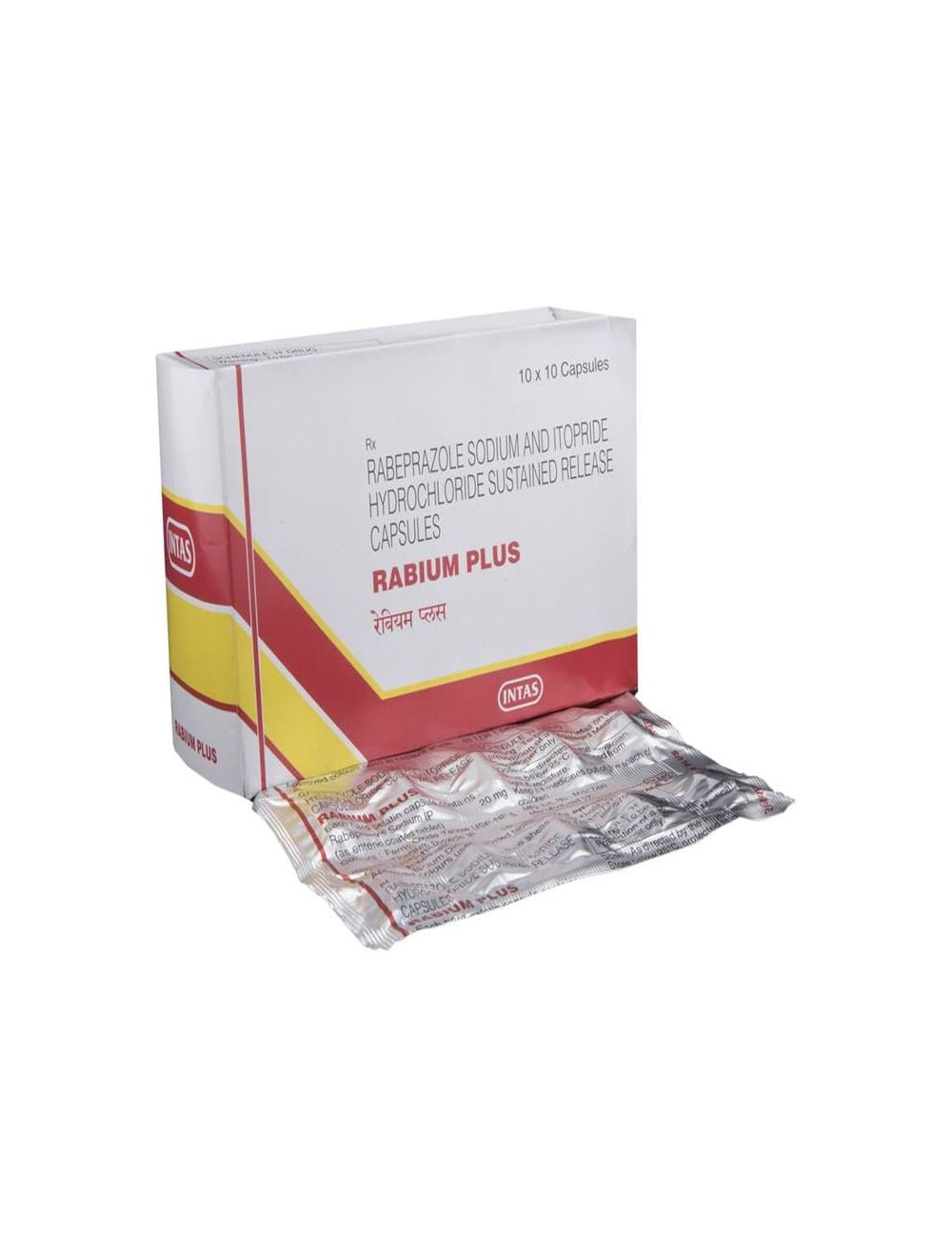

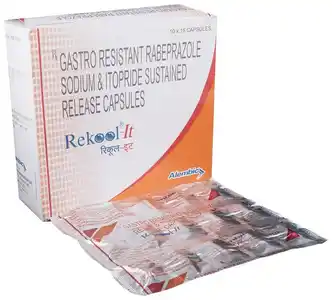



Are the medicines in combination of Itopride and Rabeprazole safe to take together?
Itopride, which is a medication used to treat stomach issues like bloating and nausea, and Rabeprazole, which is a drug that reduces stomach acid, are often used together to help with digestive problems. There are no well-documented significant drug-drug interactions between Itopride and Rabeprazole. However, it's always important to be cautious when taking multiple medications. To monitor for any potential interactions, keep an eye on any new or worsening symptoms. This could include changes in digestion, stomach pain, or unusual side effects. Regular check-ups with a healthcare provider can help ensure that the medications are working well together. If you notice anything unusual, it's important to contact your doctor right away. They can provide guidance and make any necessary adjustments to your treatment plan.
Are there harms and risks from taking combination of Itopride and Rabeprazole?
Itopride, which is used to treat gastrointestinal symptoms, commonly causes side effects like headache, dizziness, and diarrhea, which refers to loose or watery stools. Significant adverse effects may include allergic reactions, which are immune system responses to a substance. Rabeprazole, which is used to reduce stomach acid, often leads to side effects such as headache, nausea, which is a feeling of sickness with an inclination to vomit, and diarrhea. Serious adverse effects can include severe allergic reactions and liver problems, which affect the organ that processes nutrients and detoxifies the body. Both Itopride and Rabeprazole share common side effects like headache and diarrhea. However, Itopride is unique in its use for gastrointestinal motility, which refers to the movement of the digestive system, while Rabeprazole is distinct in its role in reducing stomach acid production.

Can I take combination of Itopride and Rabeprazole if I am pregnant?
Itopride, which is used to treat gastrointestinal symptoms like bloating and nausea, has limited data on its safety during pregnancy. It is generally advised to use it only if the potential benefits outweigh the risks. Rabeprazole, which is a proton pump inhibitor used to reduce stomach acid, also lacks extensive studies on its safety for pregnant women. Like Itopride, it should be used during pregnancy only if necessary. Both Itopride and Rabeprazole share the common attribute of having insufficient data regarding their safety in pregnancy, leading to cautious use. However, they are unique in their primary functions: Itopride focuses on improving gut motility, which refers to the movement of the digestive system, while Rabeprazole reduces stomach acid production. Both medications should be discussed with a healthcare provider to weigh the benefits and risks during pregnancy.
Can I take combination of Itopride and Rabeprazole while breastfeeding?
Itopride, which is used to treat stomach issues like bloating and nausea, has limited information available regarding its safety during breastfeeding. It is important to consult a healthcare provider before using it while nursing. Rabeprazole, which is used to reduce stomach acid and treat conditions like acid reflux, also lacks detailed studies on its safety for breastfeeding mothers. However, it is generally considered to have low risk due to its low levels in breast milk. Both medications share the common attribute of having limited data on their safety during lactation, making it crucial to seek medical advice. While Itopride is primarily used for digestive motility issues, Rabeprazole is used for acid-related conditions. Despite their different uses, both should be used with caution during breastfeeding, and healthcare providers can help weigh the benefits and risks.
Can I take combination of Itopride and Rabeprazole with other prescription drugs?
Itopride, which is used to treat gastrointestinal symptoms like bloating and nausea, can interact with other medications that affect the stomach's movement. Itopride may increase the effects of drugs that slow down the digestive system, leading to more side effects. Rabeprazole, which is a proton pump inhibitor used to reduce stomach acid, can interact with drugs that require a certain level of stomach acidity to be absorbed properly. Both Itopride and Rabeprazole can affect how other medications are absorbed in the stomach, but they do so in different ways. Itopride speeds up stomach emptying, while Rabeprazole reduces stomach acid. When taken together, they may alter the effectiveness of other medications. It's important to consult a healthcare provider to manage these interactions effectively.

For how long is combination of Itopride and Rabeprazole taken?
Itopride is typically used for a short duration, often a few weeks, to treat symptoms of gastrointestinal disorders like bloating and nausea. It works by increasing the movement of the stomach and intestines, which helps in digestion. Rabeprazole, on the other hand, is often used for a longer duration, sometimes several weeks to months, to treat conditions like acid reflux and ulcers. It works by reducing the amount of acid produced in the stomach. Both Itopride and Rabeprazole are used to treat digestive issues, but they work in different ways. Itopride enhances gut movement, while Rabeprazole reduces stomach acid. They are both taken orally and are generally well-tolerated. However, the specific duration of use for each medication should be determined by a healthcare provider based on individual needs and conditions.

How does combination of Itopride and Rabeprazole work?
Itopride works by increasing the movement of the stomach and intestines, which helps move food through the digestive system more quickly. It does this by blocking dopamine receptors, which are proteins that can slow down gut movement, and by increasing the release of acetylcholine, which is a chemical that stimulates muscle contractions in the gut. Rabeprazole, on the other hand, works by reducing the amount of acid produced in the stomach. It does this by blocking the proton pump, which is a part of the stomach cells that releases acid. Both Itopride and Rabeprazole help with digestive issues, but they do so in different ways. Itopride focuses on improving gut movement, while Rabeprazole reduces stomach acid. They both aim to relieve symptoms like bloating and discomfort, but they target different aspects of the digestive process.
How does one take combination of Itopride and Rabeprazole?
Itopride, which is used to treat gastrointestinal symptoms like bloating and nausea, should be taken before meals. This helps it work more effectively by speeding up stomach emptying. Rabeprazole, which is used to reduce stomach acid and treat conditions like acid reflux, is usually taken before eating as well, often in the morning. Both medicines should be taken with a glass of water. There are no specific food restrictions for either medicine, but it's generally a good idea to avoid foods that trigger your symptoms, like spicy or fatty foods. Both Itopride and Rabeprazole work to improve digestive health, but they do so in different ways. Itopride enhances stomach movement, while Rabeprazole reduces acid production. Always follow your healthcare provider's instructions when taking these medications.
How do I know if combination of Itopride and Rabeprazole is working?
The benefit of Itopride, which is a medicine used to treat symptoms of stomach disorders like bloating and nausea, is measured by its ability to improve stomach movement and reduce these symptoms. Itopride works by increasing the movement of the stomach and intestines, which helps in faster digestion. Rabeprazole, which is a medicine used to treat acid reflux and stomach ulcers, is assessed by its effectiveness in reducing stomach acid production. This helps in healing ulcers and relieving symptoms like heartburn. Both Itopride and Rabeprazole are assessed by their ability to improve digestive health and relieve discomfort. They share the common goal of improving stomach function, but they work in different ways. Itopride enhances stomach movement, while Rabeprazole reduces acid production. Together, they can provide comprehensive relief for various stomach-related issues.
How do I store combination of Itopride and Rabeprazole?
Itopride and Rabeprazole do not require refrigeration. Both medicines should be stored at room temperature, which means keeping them in a place that is not too hot or too cold, usually between 68°F and 77°F (20°C and 25°C). They should be kept away from direct sunlight and moisture, so a dry place like a cabinet is ideal. Itopride, which is used to treat stomach issues like bloating and nausea, should be kept in its original packaging to protect it from light. Rabeprazole, which helps reduce stomach acid and treat conditions like acid reflux, should also be stored in a dry place. Both medicines share the common attribute of needing to be kept out of reach of children to prevent accidental ingestion. Always check the packaging for any specific storage instructions provided by the manufacturer.
How effective is combination of Itopride and Rabeprazole?
Itopride is a medication used to treat symptoms of gastrointestinal disorders, which are conditions affecting the stomach and intestines. It works by increasing the movement of the stomach and intestines, helping to relieve symptoms like bloating and nausea. Rabeprazole, on the other hand, is a proton pump inhibitor, which is a type of drug that reduces the amount of acid produced in the stomach. It is used to treat conditions like gastroesophageal reflux disease (GERD), which is a long-term condition where stomach acid comes up into the esophagus. Both Itopride and Rabeprazole are effective in treating digestive issues, but they work in different ways. Itopride enhances gut motility, which means it helps the stomach and intestines move food along. Rabeprazole reduces stomach acid, which helps prevent acid-related damage to the stomach lining and esophagus. Together, they can provide comprehensive relief for digestive problems by addressing both motility and acid production.
How long does it take for combination of Itopride and Rabeprazole to work?
The time it takes for a combination medicine to start working depends on the individual medicines it contains. For example, if the combination includes ibuprofen, which is a pain reliever and anti-inflammatory drug, it typically starts working within 20 to 30 minutes. If it includes paracetamol, which is another pain reliever, it usually begins to work within 30 to 60 minutes. Both medicines are used to relieve pain and reduce fever, which means they share these common attributes. However, ibuprofen also reduces inflammation, which is swelling and redness, while paracetamol does not. When combined, these medicines can provide a broader range of relief, addressing both pain and inflammation more effectively. Always follow the dosage instructions provided by your healthcare provider or the medicine's packaging.
What disease or symptom is combination of Itopride and Rabeprazole used for?
Itopride is used to treat symptoms of gastrointestinal disorders, which are conditions affecting the stomach and intestines, such as bloating, nausea, and heartburn. It works by increasing the movement of the stomach and intestines, which helps in the digestion process. Rabeprazole is used to treat conditions like gastroesophageal reflux disease (GERD), which is a long-term condition where stomach acid comes up into the esophagus, and ulcers, which are sores on the lining of the stomach or intestines. It works by reducing the amount of acid the stomach makes. Both Itopride and Rabeprazole help with digestive issues, but they work in different ways. Itopride enhances stomach movement, while Rabeprazole reduces stomach acid. They are often used together to provide comprehensive relief from digestive symptoms.

What is combination of Itopride and Rabeprazole?
Itopride is commonly used to treat symptoms of gastrointestinal disorders, which are conditions affecting the stomach and intestines, by enhancing stomach motility, which means it helps the stomach muscles move food through the digestive tract. Rabeprazole is used to treat conditions like acid reflux, which is when stomach acid flows back into the esophagus, by reducing the amount of acid produced in the stomach. Both medications help improve digestive health but work in different ways: Itopride increases movement in the digestive tract, while Rabeprazole decreases stomach acid production. They share the common goal of alleviating discomfort related to digestive issues.
What is the usual dose of combination of Itopride and Rabeprazole?
The usual adult daily dose for Itopride, which is a medicine used to treat gastrointestinal symptoms like bloating and nausea, is typically 150 mg, taken as 50 mg three times a day before meals. Itopride works by increasing the movement of the stomach and intestines, which helps in digestion. Rabeprazole, which is a medicine used to reduce stomach acid, is usually taken as a 20 mg dose once daily. It helps treat conditions like gastroesophageal reflux disease (GERD), which is a condition where stomach acid frequently flows back into the tube connecting your mouth and stomach. Both Itopride and Rabeprazole are used to treat digestive issues, but they work in different ways. Itopride enhances stomach movement, while Rabeprazole reduces acid production. They share the common goal of improving digestive health and relieving discomfort.
Who should avoid taking combination of Itopride and Rabeprazole?
Itopride, which is used to treat gastrointestinal symptoms like bloating and nausea, should not be used by people with a known allergy to it. It can cause side effects like diarrhea and abdominal pain. Rabeprazole, which reduces stomach acid to treat conditions like GERD, should be avoided by those allergic to it or similar drugs. It may cause headaches and dizziness. Both drugs should be used cautiously in people with liver problems, as they can affect liver function. Pregnant or breastfeeding women should consult a doctor before using either medication. It's important to follow the prescribed dosage and not to mix these drugs with alcohol, as it can increase side effects. Always inform your healthcare provider about any other medications you are taking to avoid interactions.
Similar Medicines
Rabeprazole (20mg) + Itopride (150mg)
Rabeprazole (20mg) + Itopride (150mg)
Rabeprazole (20mg) + Itopride (150mg)
Rabeprazole (20mg) + Itopride (150mg)
Rabeprazole (20mg) + Itopride (150mg)
More medicines by Leeford Healthcare Ltd
Linezolid (600mg)
Domperidone (30mg) + Pantoprazole (40mg)
Octinoxate + Oxybenzone + And Avobenzone
Acebrophylline (200mg)
Biotin (5mg) + Folic Acid (5mg)




.svg)