


Methargo Tablet METHYLERGOMETRINE
Introduction to Methargo Tablet
The Methargo Tablet is a medication primarily used to manage and control bleeding from the uterus after childbirth or an abortion. It is particularly effective in treating conditions like uterine atony, where the uterus fails to contract properly, and subinvolution, where the uterus does not return to its normal size after delivery.
Composition of Methargo Tablet
The active ingredient in Methargo Tablet is Methylergometrine. This compound works by directly affecting the smooth muscle of the uterus, enhancing its tone and contractions to help control bleeding.
Uses of Methargo Tablet
- Prevention of postpartum hemorrhage
- Control of uterine bleeding after childbirth
- Management of uterine atony
- Treatment of subinvolution of the uterus
Side effects of Methargo Tablet
Common side effects:
- Upset stomach
- Vomiting
- Diarrhea
- Headache
- Bad taste in the mouth
Serious side effects:
- Seizures
- Chest pain
- Fast heartbeat
- Difficulty breathing
- Dizziness
- Ringing in the ears
- Leg cramps
- Skin rash
Precautions of Methargo Tablet
Methargo Tablet should not be used during pregnancy or by individuals with hypertension (high blood pressure), toxemia (a condition in pregnancy characterized by high blood pressure and protein in the urine), or hypersensitivity to the drug. It should not be administered intravenously due to the risk of sudden hypertensive and cerebrovascular accidents. Caution is advised for patients with impaired liver or kidney function.
How to Take Methargo Tablet
- Take the tablet orally as prescribed by your doctor.
- Typically, the dosage is one tablet (0.2 mg) three or four times a day.
- Follow your doctor's instructions regarding the dosage and duration of treatment.
Conclusion of Methargo Tablet
The Methargo Tablet is an effective medication for managing uterine bleeding after childbirth or an abortion. While it offers significant benefits, it is essential to use it under medical supervision due to potential side effects and contraindications. Always consult your healthcare provider for personalized advice and treatment.





Similar Medicines
Methylergometrine (0.125mg)
Methylergometrine (0.125mg)
Methylergometrine (0.125mg)
Methylergometrine (0.125mg)
Methylergometrine (0.125mg)
More medicines by Mankind Pharma Ltd
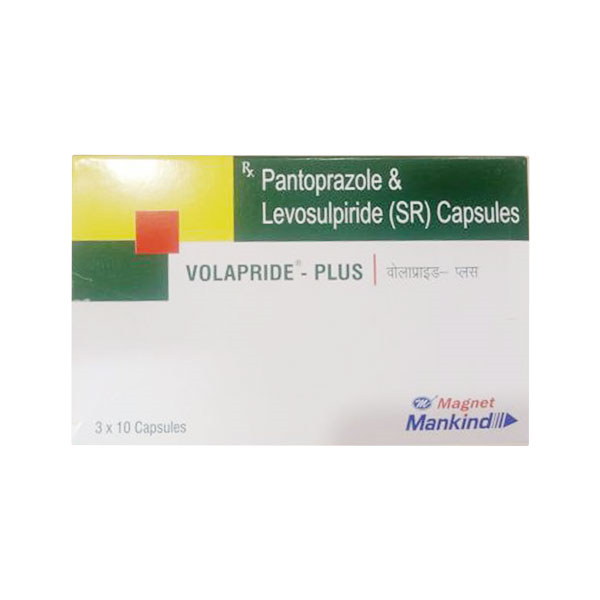
Levosulpiride (75mg) + Pantoprazole (40mg)
Baricitinib (4mg)
Alpha Lipoic Acid (100mg) + Folic Acid (1.5mg) + Methylcobalamin/Mecobalamin (1500mcg) + Vitamin B6/Pyridoxine (3mg)
Amlodipine (5mg) + Atenolol (50mg)
Ferrous Ascorbate (100mg) + Folic Acid (1.5mg) + Methylcobalamin (1500mcg) + Zinc Sulphate (22.5mg)




.svg)