


Abaxis 2.5mg Tablet APIXABAN
Introduction to Abaxis 2.5mg Tablet
Abaxis 2.5mg Tablet is a medication primarily used to prevent blood clots in individuals with certain heart conditions or after specific surgeries. This tablet form of medicine is essential for managing conditions that could lead to serious complications if left untreated.
Composition of Abaxis 2.5mg Tablet
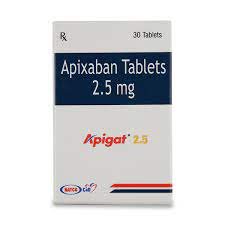
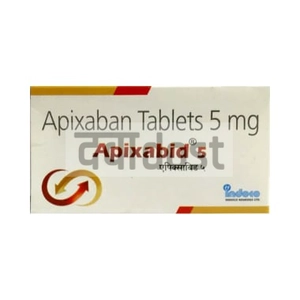
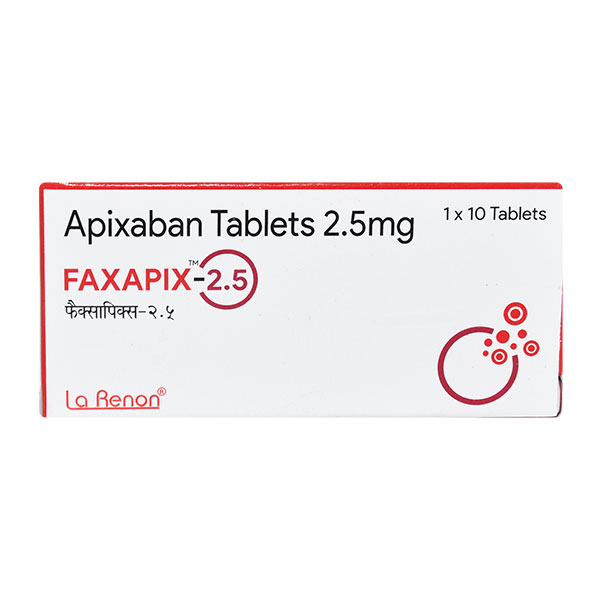
The active ingredient in Abaxis 2.5mg Tablet is Apixaban. Apixaban works by inhibiting Factor Xa, a crucial protein in the blood clotting process, thereby reducing the risk of clot formation.
Uses of Abaxis 2.5mg Tablet
- Prevention of blood clots in patients with atrial fibrillation.
- Prevention of blood clots after hip or knee replacement surgery.
- Treatment and prevention of deep vein thrombosis (DVT).
- Treatment and prevention of pulmonary embolism (PE).
Side effects of Abaxis 2.5mg Tablet
- Common side effects: Bleeding, bruising, nausea.
- Serious side effects: Prolonged bleeding, blood in urine, severe allergic reactions.
Precautions of Abaxis 2.5mg Tablet
Abaxis 2.5mg Tablet may increase the risk of serious bleeding. It should not be used by individuals with active bleeding or those allergic to Apixaban. Caution is advised for patients with liver disease or other conditions that increase bleeding risk. Always consult your doctor before starting this medication.
How to Take Abaxis 2.5mg Tablet
Abaxis 2.5mg Tablet is typically taken orally, twice a day, once in the morning and once in the evening, with or without food. Follow your doctor's instructions regarding the dosage and duration of use.
Conclusion of Abaxis 2.5mg Tablet
Abaxis 2.5mg Tablet, containing Apixaban, is a vital anticoagulant used to prevent and treat blood clots. It belongs to the therapeutic class of anticoagulants and is manufactured to help manage conditions like atrial fibrillation and post-surgical clot prevention. Always follow your healthcare provider's guidance when using Abaxis 2.5mg Tablet to ensure safety and effectiveness.


How can I get help paying for eliquis?
For more information about how insurance covers ELIQUIS and co-pay assistance for eligible, commercially-insured patients, visit ELIQUIS patient support or call 855-354-7847.
How dangerous is Eliquis?
While using Eliquis you should be aware of the risks involved such as it can cause excessive bleeding being a blood thinner. Hence, do not stop taking the medication without speaking to your doctor. If you have epidural or spinal anesthesia or a spinal puncture while taking Eliquis then you may be at risk of developing a blood clot in or around your spine which can result in paralysis in some patients. Hence, inform the doctor beforehand if you have had any such procedure.
What foods should I avoid while taking eliquis?
Avoid foods high in Vitamin K, e.g. large amounts of leafy green vegetables and some vegetable oils. May need to avoid alcohol, cranberry juice, and products containing cranberries.
What is the safest blood thinner for AFib?
Non–vitamin K oral anticoagulants (NOACs) are now recommended as the preferred alternative to warfarin for reducing the risk of stroke associated with atrial fibrillation (AFib), according to a focused update to the 2014 American Heart Association/American College of Cardiology/Heart Rhythm Society Guideline for the ...
Is eliquis 2.5 mg effective?
In A-fib patients selected using established dose-reduction criteria, the 2.5-mg twice daily dose of Abaxis tablet (Eliquis; Bristol-Myers Squibb) provides protection against stroke and death versus warfarin that is consistent with the effects of the standard 5.0-mg twice daily dose in the rest of the patients, despite ...
Can eliquis cause hair to fall out?
If you have any side effects while taking blood thinners, its important to have a conversation with your doctor about what you are experiencing. Although listed as a rare, or even nonexistent, side effect for most blood thinners, some people experience hair loss, or hair thinning, while taking them.
Similar Medicines
Apixaban (2.5mg)
Apixaban (2.5mg)
Apixaban (2.5mg)
Apixaban (2.5mg)
Apixaban (2.5mg)
More medicines by Intas Pharmaceuticals Ltd
Multivitamins + Multiminerals + Antioxidants
Glycolic Acid
Diclofenac (50mg) + Serratiopeptidase (10mg)
Mefenamic Acid (50mg) + Pracetamol/Acetaminophen (125mg)
Rabeprazole (20mg) + Itopride (150mg)




.svg)